 Society
Preserving heritage and harnessing cultural strength in a new era
1.
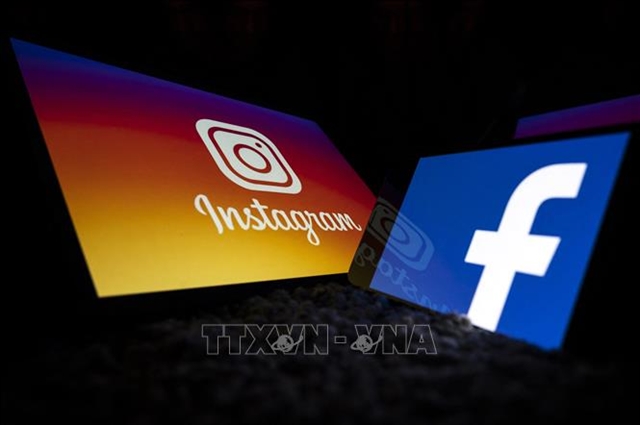 |
| The logos of Facebook and Instagram are displayed on a smartphone and tablet screen in Toulouse, France. Photo AFP/VNA |
HÀ NỘI — Meta's major platforms, including Facebook, Messenger and Instagram, experienced a widespread outage on Friday evening, disrupting services for users in multiple countries, including Việt Nam.
The disruption began at around 8.40pm (Việt Nam time). Many Facebook users were unexpectedly logged out of their accounts and received notifications stating that their sessions had expired. Attempts to log back in were met with authentication errors or server connection failures.
At the same time, Messenger users reported being unable to send or receive messages, while Instagram failed to load new content. Although the application remained accessible, posts, images and notifications were not displayed.
According to outage-tracking website DownDetector, reports of problems across Meta's services surged within a short period. At one point, tens of thousands of complaints were filed within minutes, causing disruptions to the monitoring platform itself due to heavy traffic.
As of publication, Meta had not issued an official statement on the cause of the outage or provided an estimated timeline for restoring services. Users attempting to access the affected platforms were shown messages indicating that the systems were experiencing technical difficulties and that engineers were working to resolve the issue.
This is not the first time Meta's platforms have suffered large-scale disruptions. Similar outages affecting Facebook, Instagram, Messenger and other services occurred in March and December 2024, impacting millions of users worldwide. Meta later attributed those incidents to internal technical issues rather than cyberattacks. VNS
Society
 Society
 Society
 Society
 Society
 Society
 Society
 Society
 Society
 Society
 Society
 Society
 Society
 Society
 Society