 Society

Việt Nam-Cambodia trade gathers pace towards $20 billion target
1.
|
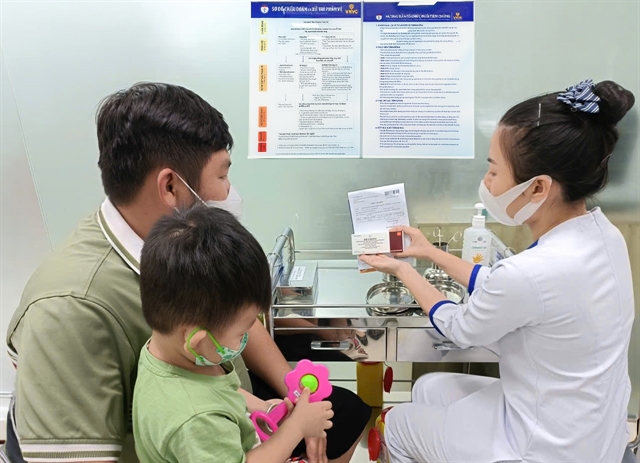
| A medical worker informs a child's guardian about the meningococcal vaccination. — Photo courtesy of the Việt Nam Government Portal |
HÀ NỘI — The Ministry of Health on Monday urged greater public awareness and preventive measures against meningococcal disease, as cases show a rising trend compared to the same period last year.
According to the ministry, in the first 14 weeks of 2026, a total of 24 cases of meningococcal disease have been recorded nationwide, including four deaths.
Children under 15 account for 46 per cent of all cases. Infections have been scattered in the community, with no concentrated outbreaks identified.
The number of cases has shown an upward trend in recent weeks and is higher than the same period in 2025, which was 14 cases. Health authorities said this indicates a continued risk, particularly for children.
On April 9, the Cà Mau Provincial Centre for Disease Control (CDC) reported several cases of meningococcal meningitis in the locality. Test results from the Pasteur Institute in HCM City showed that two out of three samples were positive for meningococcal bacteria, while the remaining case tested negative due to prior antibiotic treatment. Among these cases, one patient was confirmed dead.
Director of the Cà Mau CDC Dr Trần Hiến Khóa said the disease is primarily transmitted via the respiratory route through close contact. Vaccination remains the most effective preventive measure, he said.
The provincial CDC is continuing to monitor the health of close contacts and has implemented sanitation and disinfection measures in affected areas to ensure community safety. Public communication campaigns have also been strengthened through official channels to keep residents informed and promote preventive action.
Meningococcal disease is an acute bacterial infection caused by Neisseria meningitidis, transmitted mainly through direct contact with respiratory secretions from infected individuals or asymptomatic carriers.
It is considered a dangerous communicable disease due to rapid progression that can lead to severe conditions such as purulent meningitis and septicemia (blood poisoning by bacteria), and may cause serious complications including deafness, paralysis and cognitive impairment, or even death if not detected and treated promptly.
To proactively prevent the disease, the health ministry has urged the public to take preventive measures such as maintaining good personal hygiene, washing hands regularly with soap and clean water, and using antiseptic solutions for nasal and throat hygiene.
Other recommendations include wearing masks in public places and on public transport, and limiting contact with infected patients.
Environmental hygiene should be maintained, alongside a balanced diet and regular physical exercise to boost immunity.
Anyone experiencing symptoms such as high fever, headache, nausea, neck stiffness or hemorrhagic rash should seek immediate medical attention. Early detection and timely treatment are crucial to reducing severe complications and fatalities, according to health authorities. — VNS
Society
 Society
 Society
 Society
 Society
 Society
 Society
 Society
 Society
 Society
 Society
 Society
 Society
 Society
 Society