 Society
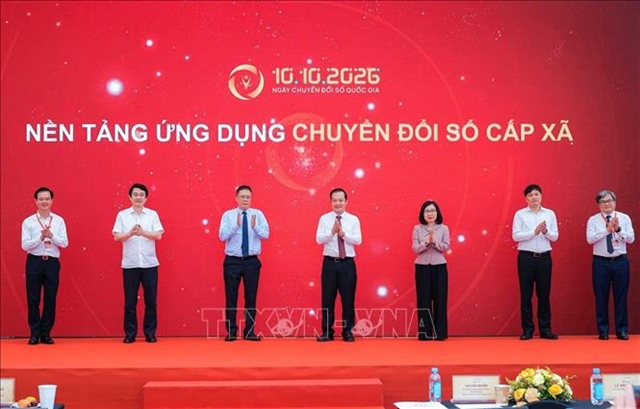
Commune-level digital transformation app launched
1.
HÀ NỘI — Amid the global wave of digital transformation, artificial intelligence (AI) is creating new opportunities to restructure Việt Nam’s tourism industry towards rapid yet sustainable development. The effective use of technology is also helping to shape the country’s digital tourism ecosystem for a new era.
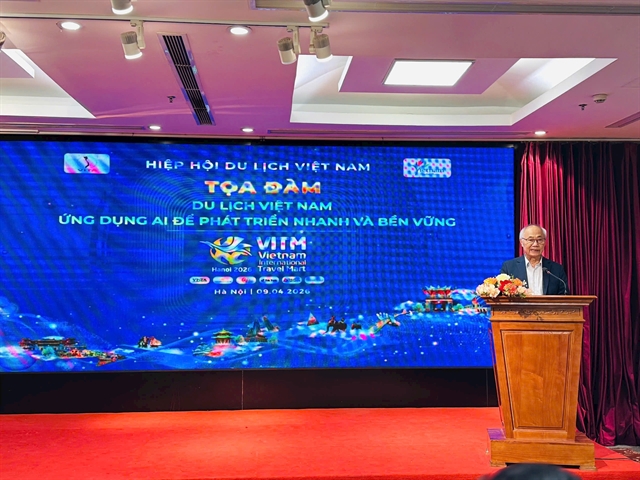
These insights were shared by tourism officials and industry workers at the seminar Việt Nam Tourism – Promoting Digital Transformation and AI Application for Rapid and Sustainable Development, held as part of the Vietnam International Travel Mart (VITM) Hanoi 2026.
|
| Vũ Thế Bình, Chairman of the Vietnam Tourism Association, speaks at the seminar. VNS Photos Hoàng Hải |
In his opening remarks, Vũ Thế Bình, Chairman of the Vietnam Tourism Association, presented an overview of the sector with notable figures.
In 2025, Việt Nam welcomed approximately 21.2 million international visitors and served around 137 million domestic travellers, generating total revenue of about VNĐ1 quadrillion (around US$41 billion). These figures indicate a strong recovery after the pandemic while also creating new demands for growth quality.
According to him, to achieve faster and more sustainable growth and enhance competitiveness, Việt Nam’s tourism sector must shift from an extensive growth model to one driven by technology, data, innovation and smart governance.
“AI opens up numerous possibilities, from analysing market trends and personalising products to optimising promotion strategies, managing revenue, forecasting visitor flows and regulating destination capacity. At the same time, technology contributes to resource conservation, emission reduction and more sustainable management,” he said.
Assessing the role of technology, Nguyễn Anh Tuấn, Director of the Institute for Tourism Economics, said global trends show a shift from digitising individual services to building integrated digital tourism ecosystems.
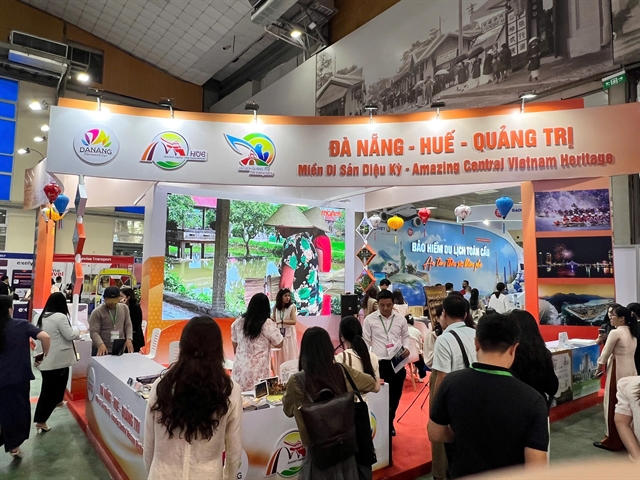
|
| Booth of the central provinces at VITM 2026. |
Technology not only drives growth but also helps manage visitor loads, ease pressure on resources, optimise energy use and transportation, and thereby create smart tourism ecosystems.
“Việt Nam has taken initial steps such as developing smart tourism platforms, digital maps, digital marketing applications and OTAs. Some localities have also implemented smart tourism models, creating new growth drivers for the industry,” he added.
From a business perspective, Phạm Hà, Chairman and CEO of LuxGroup, emphasised that tourism today is not just about attracting visitors but, more importantly, about serving them better, operating more efficiently and increasing the value of each journey.
“Việt Nam’s tourism industry needs to enter a phase of dual transformation: digital transformation to boost productivity and green transformation to ensure sustainable development,” he said.
Hà said AI enables businesses to work faster, more efficiently and more intelligently. At LuxGroup, AI is applied across marketing, sales, operations and customer care. Chatbots operate continuously, while systems forecast demand, optimise itineraries and personalise travel experiences for different customer groups.
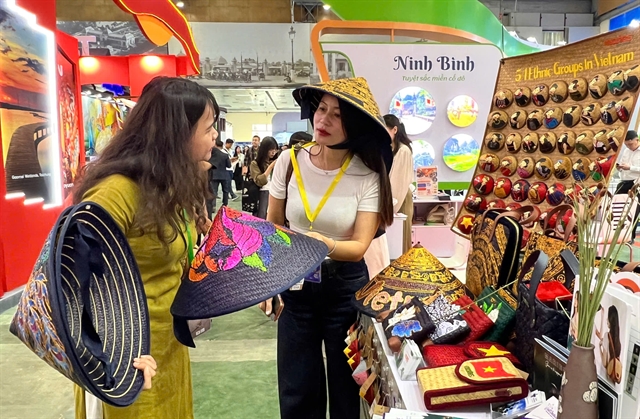
|
| A tourism souvenir shop at the VITM 2026. |
At the same time, AI helps optimise routes, reduce fuel consumption, minimise resource waste and cut emissions. For LuxGroup, goals such as zero plastic and responsible tourism are no longer slogans but mandatory standards.
Smart tourism ecosystem
Despite being an inevitable trend, the implementation of digital technologies in Việt Nam’s tourism sector still faces numerous challenges.
Bình pointed out several bottlenecks, including fragmented and unconnected data, uneven digital capabilities among businesses, limited investment resources and, especially, a shortage of personnel who understand both tourism and technology.
Tuấn also noted that Việt Nam lacks a unified data ecosystem, while AI applications remain fragmented and mainly focused on marketing rather than management. In addition, the shortage of tech talent and breakthrough policy mechanisms remains a major barrier.
At the seminar, many delegates and businesses proposed solutions to accelerate effective technology adoption.
Hà said that as travel trends evolve, each journey is no longer a mass product but a personalised experience. Therefore, businesses need to leverage technology to enhance service quality and move toward high-end tourism segments, where travellers seek cultural depth and experiential value.
From the technology sector’s perspective, Vũ Xuân Nguyên, Chairman of IGB Group, introduced smart tourism software solutions as a practical approach aligned with green tourism.
According to him, applying Industry 4.0 technologies to build digital tourism systems is consistent with government policies and meets the industry’s practical needs. The IGB Tour solution focuses on digitising green tourism criteria into electronic forms, allowing businesses to self-assess using detailed checklists. The system automatically scores, classifies and grants green tourism certification.
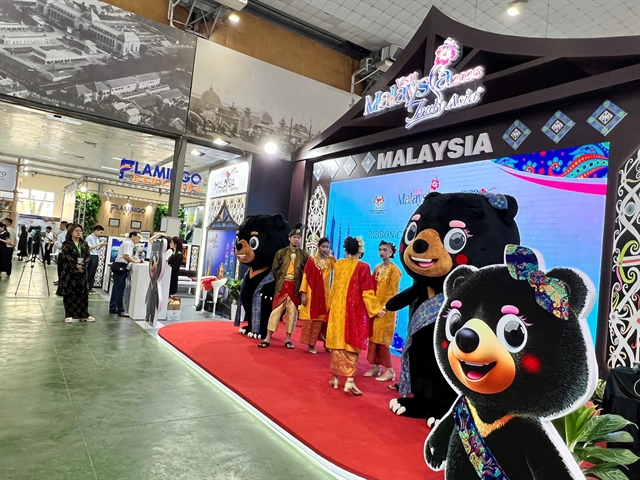
|
| Malaysia's tourism promoting booth at the event. |
A highlight is the development of a digital green tourism map, which helps travellers easily search for and select environmentally friendly destinations. Certified establishments are prominently displayed, with suggestions for sustainable travel itineraries.
Nguyên affirmed that in the context of rapid technological advancement, smart tourism platforms must go hand in hand with green development. These solutions not only optimise processes and enhance the user experience but also support effective tourism management and connectivity at both local and national levels.
Experts agree that in the coming period, Việt Nam needs to build a national digital tourism ecosystem with open data and multi-stakeholder connectivity. AI will serve as the core technology, deeply applied in market forecasting, service personalisation and destination management.
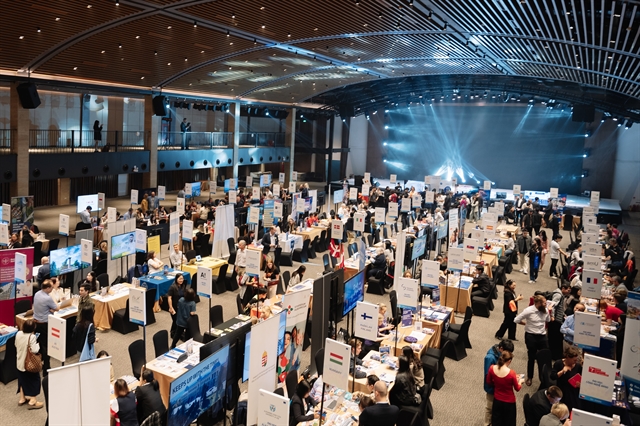
On Thursday, within the framework of VITM 2026, a business networking programme also took place, bringing together approximately 400 enterprises, including 150 international travel companies and 200 Vietnamese businesses. This provided an opportunity for companies to meet, exchange ideas, sign cooperation agreements and expand markets as tourism continues its strong recovery. — VNS
Society
 Society
 Society
 Society
 Society
 Society
 Society
 Society
 Society
 Society
 Society
 Society
 Society
 Society
 Society