 Society
Direct flights boost tourism links across central Việt Nam
1.
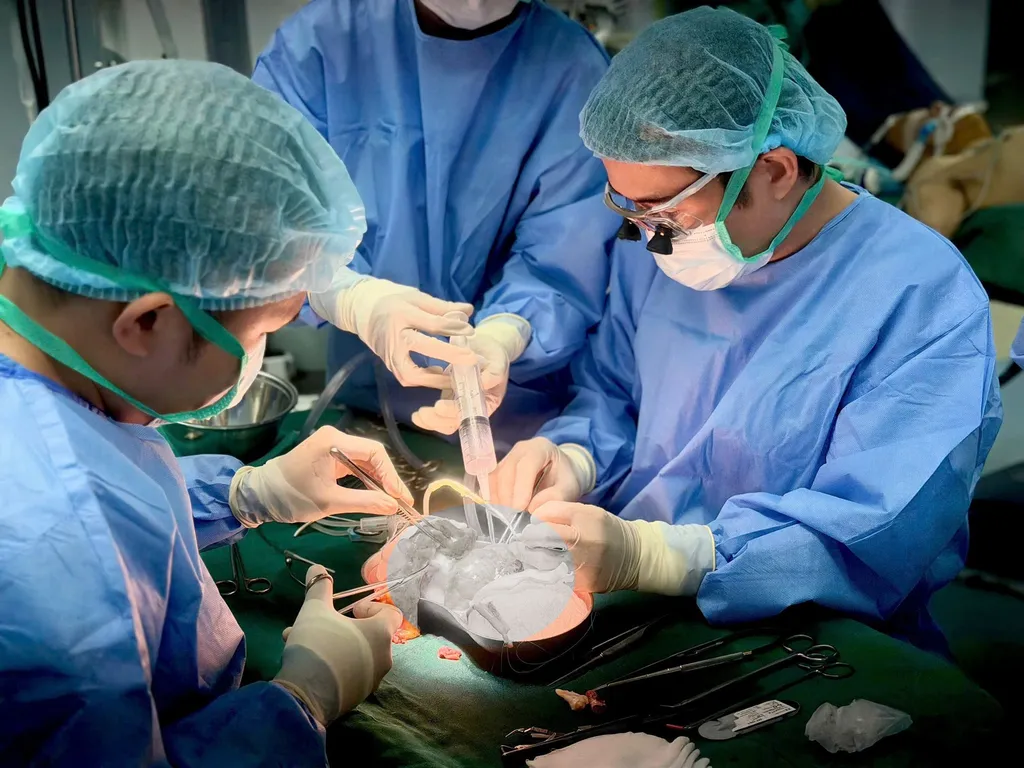 |
| Doctors at the 108 Military Central Hospital performed an organ transplant. — Photo courtesy of the hospital |
HÀ NỘI — The Hà Nội-based 108 Military Central Hospital has successfully performed more than 1,300 tissue and organ transplants over the past decade, marking a significant milestone for Việt Nam as it strengthens its position on the regional and global transplant map.
As of February 21, the hospital had carried out 1,305 organ transplants, including 683 kidney transplants, 322 liver transplants, four lung transplants and eight heart transplants.
Speaking at a ceremony on Wednesday to mark 10 years of organ transplantation at the hospital, Lieutenant General, Professor, Dr Lê Hữu Song, its director, said the institution’s transplant journey is closely linked to major milestones in Vietnamese medicine on the international stage.
“The 108 Military Central Hospital is currently the leading liver transplant centre in Southeast Asia, not only leading Việt Nam in the number of transplants but also pioneering in mastering the most complex techniques. The hallmark of Hospital 108 is its ability to routinely perform liver transplants from living donors, one of the most difficult surgeries in medicine,” said Professor Song.
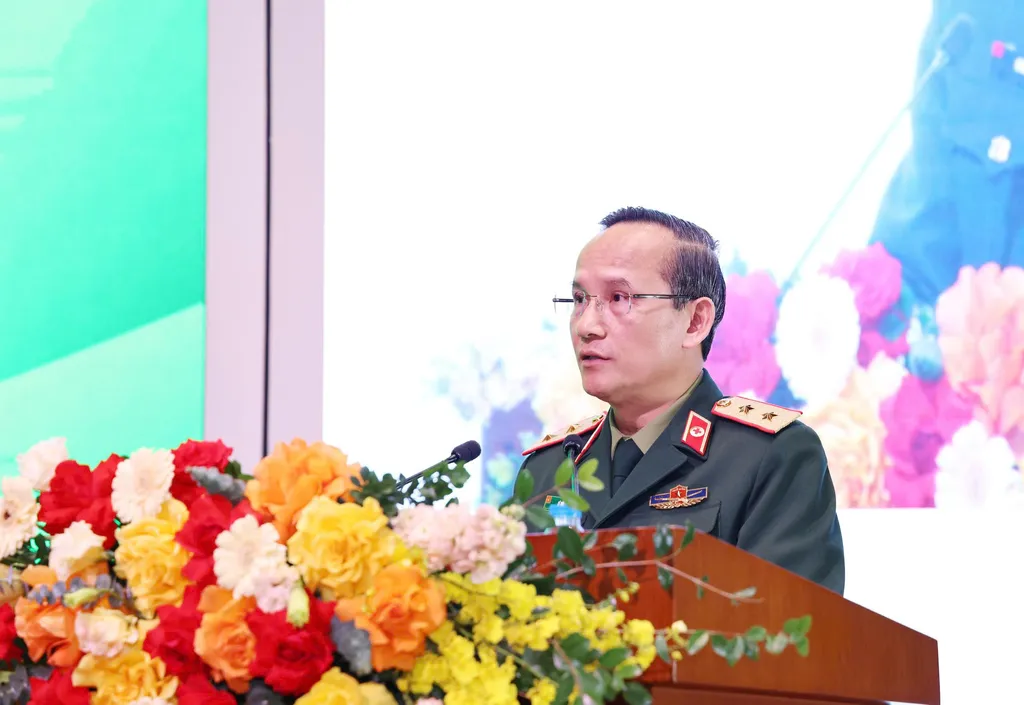 |
| Lieutenant General, Professor, Dr Lê Hữu Song, director of the 108 Military Central Hospital, speaks at the event. — Photo courtesy of the hospital |
He said the hospital also regards training support and technology transfer as a core responsibility of a leading medical centre.
"Over the years, the hospital has actively transferred many advanced organ transplantation techniques to central and lower-level medical facilities. Many units have gradually mastered the techniques, successfully implementing organ harvesting and transplantation procedures, thereby expanding opportunities to save patients' lives nationwide, reducing the burden on higher-level facilities and contributing to improving the quality of the Vietnamese healthcare system," he said.
To date, the hospital has supported the training and transfer of kidney, liver and lung transplant techniques to 10 central and local hospitals across both military and civilian systems.
Professor Song said that in the coming period the hospital would continue to prioritise expanding the scale and improving the quality of the transplant techniques it has mastered. The focus will be on developing transplants from brain-dead donors, promoting multi-organ transplants and advancing complex procedures to optimise donated organs.
The hospital is also preparing to implement organ transplantation from heart-dead donors and to apply robotic surgery in organ retrieval and transplantation. It is strengthening international cooperation and scientific research as it seeks to meet the standards of leading transplant centres in the region and worldwide, according to Professor Song. — VNS
Society
 Society
 Society
 Society
 Society
 Society
 Society
 Society
 Society
 Society
 Society
 Society
 Society
 Society
 Society