 Society

Sovico and Hamburg Forge Partnership to Expand Vietnam-Germany Economic Ties
1.
|
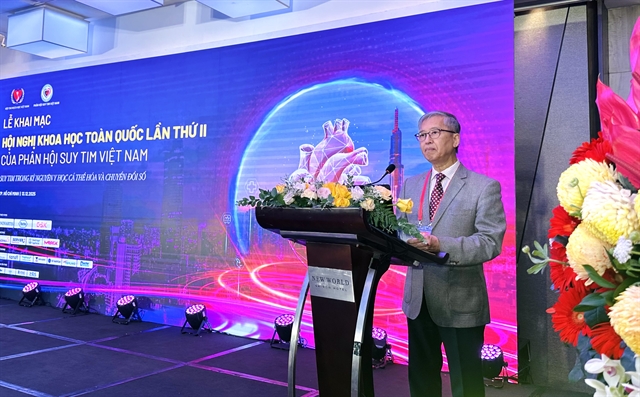
| Prof. Dr. Đỗ Doãn Lợi, chairman of the Vietnam Heart Failure Society, speaks at the second National Heart Failure Conference in HCM City on December 13. — VNS Photo Nguyễn Diệp |
HCM CITY — Heart failure treatment in Việt Nam is entering a pivotal new phase marked by personalised medicine and digital transformation, according to Prof. Dr. Đỗ Doãn Lợi, Chairman of the Vietnam Heart Failure Society (VHFS).
Speaking at the second National Scientific Conference of the Vietnam Heart Failure Sub-association under the Việt Nam Heart Association, themed “Heart Failure in the Era of Personalised Medicine and Digital Transformation”, Prof. Lợi outlined key orientations shaping the future of heart failure management nationwide.
He said heart failure remains one of the most complex and costly cardiovascular conditions, placing a heavy burden on mortality rates, healthcare expenditure and patients’ quality of life.
“The disease has long been regarded as the ‘final battlefield’ of cardiovascular medicine, requiring more comprehensive and effective treatment strategies,” he said.
A major shift now underway is the move away from the traditional “one-size-fits-all” approach towards precision and personalised care.
“Modern heart failure management must be tailored to each patient’s genetic background, disease phenotype, comorbidities and even social circumstances in order to optimise clinical outcomes,” he said.
Digital transformation is also playing an increasingly central role in clinical practice. Technologies such as artificial intelligence (AI), big data and telemonitoring are redefining heart failure care by enabling early risk prediction, continuous monitoring and timely intervention, even when patients are outside hospital settings.
According to the organising committee, the conference brought together nearly 500 delegates and more than 100 leading experts and speakers from across the country, with close to 120 selected scientific presentations delivered across three parallel halls.
The programme was comprised of 15 specialised scientific sessions and three satellite symposia.
Scientific discussions covered a broad spectrum of heart failure care, from epidemiology and disease burden in Việt Nam to advanced diagnosis, risk stratification and treatment.
Particular attention was given to heart failure phenotypes, including heart failure with preserved ejection fraction (HFpEF) and reduced ejection fraction (HFrEF), with updated diagnostic criteria and personalised treatment strategies reflecting the latest evidence from 2024–2025.
Experts also examined heart failure in the context of complex comorbidities such as chronic kidney disease, diabetes, obesity and metabolic disorders, which significantly complicate prognosis and require multidisciplinary management.
Other key topics included acute heart failure and early intervention, optimal pharmacological therapies based on patient phenotype, and the expanding role of cardiovascular devices and advanced therapies.
Sessions addressed pacing therapy, cardiac resynchronisation therapy (CRT), implantable cardioverter defibrillators (ICD), left ventricular assist devices (LVAD), heart transplantation and arrhythmia interventions as part of personalised treatment strategies.
Advances in molecular biology, genetics and novel biomarkers were also discussed, offering deeper insight into disease mechanisms and improved risk prediction. In addition, modern cardiovascular imaging — including next-generation echocardiography supported by AI, cardiac MRI and cardiac CT — was highlighted for its growing role in diagnosis, prognostic assessment and treatment monitoring.
Inflammation, immune responses and infections in heart failure were emerging themes, alongside heart failure related to coronary artery disease and optimal treatment strategies for patients with complex coronary lesions.
A major focus of the conference was digital transformation in heart failure management.
Presentations explored the application of AI and big data in prognosis, remote monitoring through telemedicine and wearable devices, early warning systems to reduce readmissions, and integrated care models linking hospitals, communities and families.
The establishment of a national heart failure registry in Việt Nam was identified as a strategic priority to improve diagnosis, treatment quality, long-term disease management, research capacity, training and international collaboration.
Prof. Lợi said personalised medicine and digital tools could help narrow treatment gaps between central and grassroots healthcare facilities, while improving long-term disease control and patient outcomes.
|
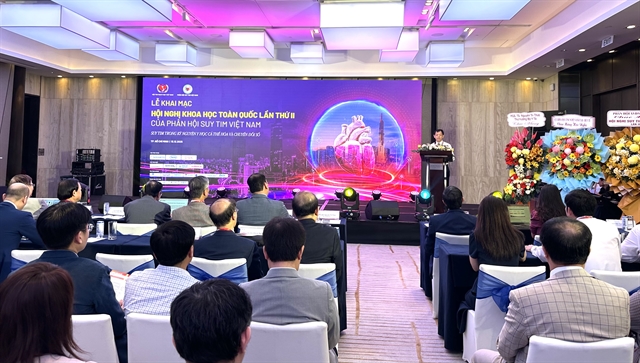
| Delegates attend the second National Scientific Conference of the Vietnam Heart Failure Society in HCM City on December 13, focusing on personalised medicine and digital transformation in heart failure care. — VNS Photo Nguyễn Diệp |
The conference also provided updates on the latest international and domestic clinical guidelines from the European Society of Cardiology (ESC), the American Heart Association/American College of Cardiology/Heart Failure Society of America (AHA/ACC/HFSA) and the Việt Nam Heart Association.
In addition, modern techniques and technologies, including AI-assisted echocardiography, cardiac MRI, next-generation biomarkers and advances in arrhythmia intervention and cardiac support devices, were presented.
Several new clinical studies were unveiled at the event, with selected papers to be published in a special 2025 heart failure issue of the National Journal of Cardiology.
The conference also featured the Young Investigator Award programme, recognising outstanding research by young scientists and underscoring the VHFS’s commitment to nurturing the next generation of cardiovascular specialists.
It not only provided a comprehensive picture of heart failure in Việt Nam, but also highlighted future treatment directions based on personalised medicine and digital transformation, with the ultimate goal of improving quality of life and reducing the disease burden on society. — VNS
Society
 Society
 Society
 Society
 Society
 Society
 Society
 Society
 Society
 Society
 Society
 Society
 Society
 Society
 Society




