 Opinion
Việt Nam steps up fight against counterfeits, IP violations
1.
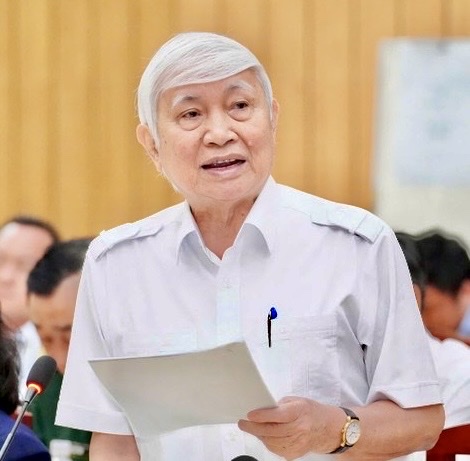 |
| Historian Dr Phan Xuân Biên, vice chairman of the Vietnam Association of Historical Sciences. — VNA/VNS Photo |
Nearly 50 years after Sài Gòn-Gia Định was renamed Hồ Chí Minh City, historian Dr Phan Xuân Biên, vice chairman of the Vietnam Association of Historical Sciences, reflects on the city's remarkable journey from post-war hardship to economic dynamism, and on how the enduring spirit of Sài Gòn continues to shape its identity today.
Nearly 50 years after the city took the name of the late President Hồ Chí Minh, what transformation stands out most to you?
What impresses me most is the city’s extraordinary ability to reinvent itself while preserving its dynamic spirit.
When Sài Gòn-Gia Định was renamed HCM City in 1976, the country had just emerged from war and the city entered an extremely difficult period. There were shortages, inflation and stagnating production. Leaders had to struggle to secure food and basic necessities for millions of residents.
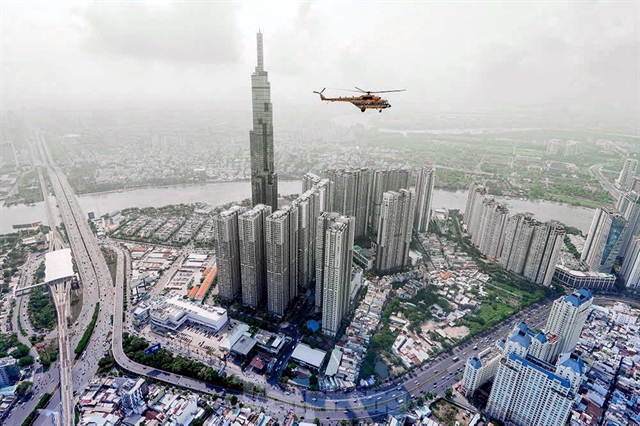
At that time, few people could imagine the city would one day become the country’s leading economic centre with a modern skyline, metro system and international integration on such a large scale.
Over nearly five decades, the city has transformed from a city recovering from war into Việt Nam’s most dynamic urban centre. To me, that transformation reflects not only economic growth, but also the city’s remarkable resilience and capacity for renewal.
HCM City is often seen as the birthplace of many early reform experiments before Đổi Mới (Renewal) policy. Why did the city develop such a strong reformist identity?
Reality forced the city to innovate.
In the years after national reunification in 1975, many grassroots initiatives were criticised as “breaking the fence” or xé rào in Vietnamese. But those efforts reflected a willingness to think differently, act boldly and take responsibility.
The city leadership stayed close to reality, listened to people and enterprises and encouraged practical solutions instead of rigid thinking. Enterprises and workers searched for new ways to reorganise production and revive economic activities despite many constraints.
The Communist Party Committee of HCM City also issued important resolutions encouraging initiative and creativity at the grassroots level so production could recover and expand.
Later, many of those experiments became important foundations for the nationwide renewal process.
I believe this reformist spirit became one of the city’s defining characteristics. The city developed a reputation for pragmatism, openness and adaptability, qualities that remain closely associated with its identity today.
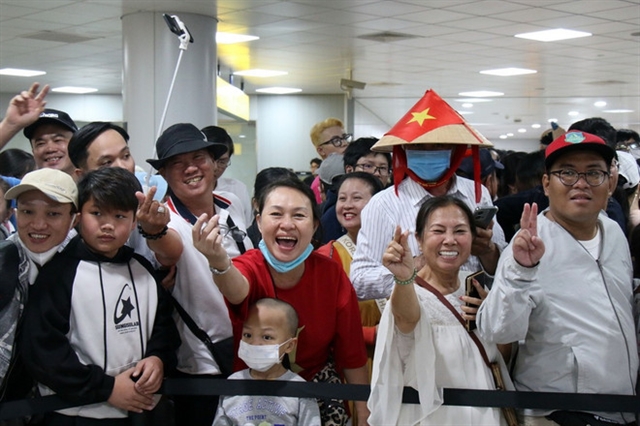 |
| METRO MANIA: Residents celebrate aboard HCM City’s Metro Line 1 during its inaugural operations, marking a milestone in the southern metropolis’ long journey toward modern urban mobility. VNA/VNS Photo |
In your view, what does the name “Hồ Chí Minh City” represent after nearly half a century?
For me, the name “Hồ Chí Minh City” represents both historical memory and aspirations for the future.
In 1976, when the National Assembly officially renamed Sài Gòn-Gia Định after the late President Hồ Chí Minh, the name carried deep symbolic meaning for national reunification and reconstruction.
But over time, HCM City also developed its own modern identity as a city of creativity, integration and opportunity.
Today, when people hear the name HCM City, they think not only of history, but also of a dynamic metropolis that constantly moves forward and contributes significantly to the country’s development.
The city has become a place where tradition and innovation exist together.
Many local residents say the spirit of Sài Gòn still exists within modern HCM City. How would you define that spirit?
Historically, Sài Gòn was always an open and dynamic city. People from many regions came here to work, trade and build new lives. Over time, this created a culture of openness, adaptability and entrepreneurship.
I believe those qualities still exist strongly within HCM City today.
Even during difficult periods, people here were willing to experiment with new ideas and search for solutions instead of waiting passively. That proactive spirit helped shape the city’s identity over the past five decades.
At the same time, HCM City has always shown solidarity and humanity. During crises, including the years after wars and the COVID-19 pandemic, we witnessed people supporting one another and sharing hardships together.
That combination of dynamism, compassion and openness is what many people describe as the spirit of Sài Gòn within modern HCM City.
As HCM City modernises rapidly, what challenges does it face in preserving its identity?
The city has achieved enormous progress in terms of infrastructure, economic scale and living standards.
If we compare today with the years immediately after 1975, the transformation is extraordinary. The city now has modern roads, bridges, urban areas and public transport systems that people once could hardly imagine.
However, rapid urbanisation and economic growth also create pressures. Traffic congestion, flooding, environmental stress and inequality remain major challenges.
Another important issue is preserving the city’s cultural identity and historical heritage while pursuing modernisation.
A city is not defined only by buildings and economic indicators. It is also defined by memory, culture and the character of its people.
As HCM City continues developing into a global and modern metropolis, preserving its openness, humanity and cultural diversity will be very important.
After nearly 50 years under the name HCM City, what gives you confidence about its future?
What gives me confidence is the resilience and creativity of the people of HCM City.
Over nearly five decades, the city has repeatedly demonstrated its ability to overcome difficulties, adapt to change and continue moving forward.
The city’s identity was shaped not only by history, but also by generations of people who contributed their energy, creativity and ambitions to its development.
I believe that if HCM City can continue preserving its dynamism, openness and innovative spirit while pursuing sustainable development, it will remain Việt Nam’s leading city and continue living up to the name HCM City in the decades ahead. — VNS
Opinion
 Opinion
 Opinion
 Opinion
 Opinion
 Opinion
 Opinion
 Opinion
 Opinion
 Opinion
 Opinion
 Opinion
 Opinion
 Opinion
 Opinion