 Opinion
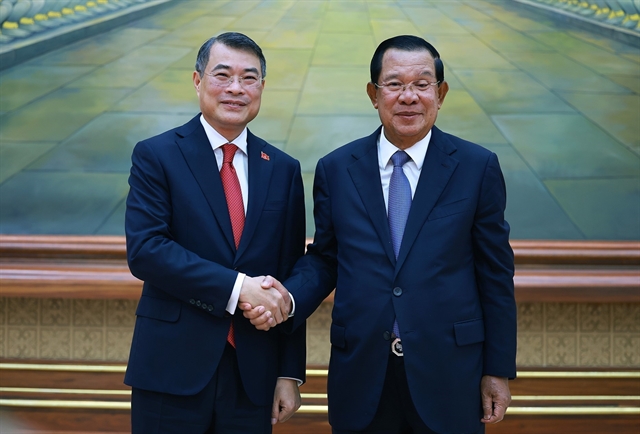
Vietnamese Prime Minister meets Cambodian National Assembly President
1.
|
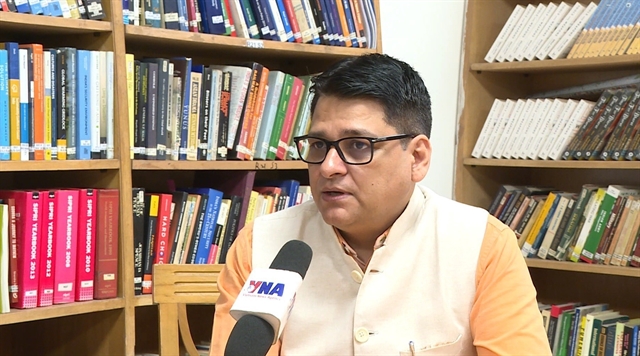
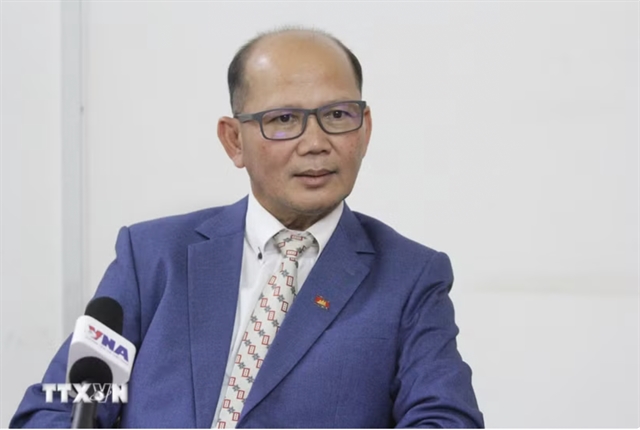
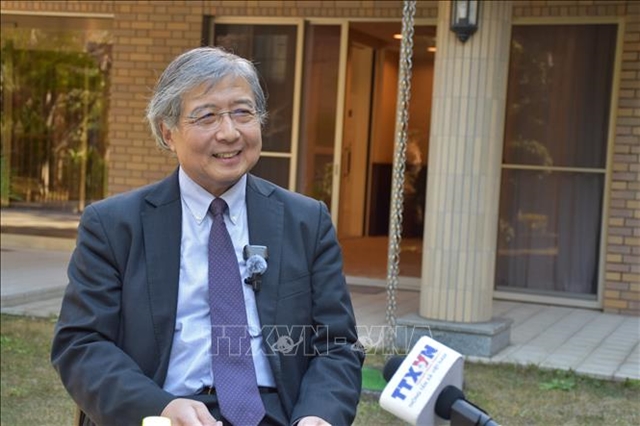
| Professor Harsh V. Pant, Vice President of the Observer Research Foundation. — VNA/VNS Photo |
NEW DELHI — Việt Nam and India are increasingly aligned in their regional and global priorities, as reflected in the significant rise in high-level exchanges and growing people-to-people interactions between the two countries, according to Professor Harsh V. Pant, Vice President of the Observer Research Foundation (ORF).
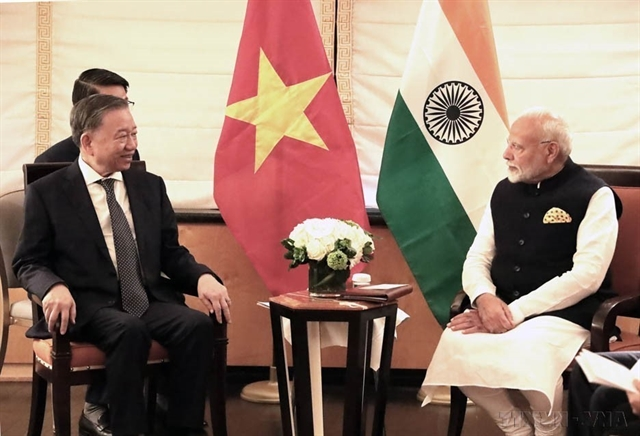
Speaking to the Vietnam News Agency’s correspondents in New Delhi ahead of the 10th anniversary of the Comprehensive Strategic Partnership (2016–2026) and on the occasion of the state visit by General Secretary of the Communist Party of Việt Nam Central Committee and State President Tô Lâm to India from May 5-7 at the invitation of Prime Minister Narendra Modi, Pant said over the past decade, the Việt Nam–India Comprehensive Strategic Partnership has made strong progress, becoming increasingly substantive and comprehensive.
The partnership has expanded beyond bilateral cooperation between two Asian nations into a closer alignment based on a shared vision for the regional order, particularly within the framework of a Free and Open Indo-Pacific.
Economic cooperation has gathered momentum, with Việt Nam playing an increasingly important role in India’s Act East policy and emerging as one of India’s leading trading partners within ASEAN, he noted.
According to Pant, defence and security ties have remained one of the most important pillars of bilateral ties during the past decade. Progress has included closer coordination on regional security, naval ship supply, joint exercises and broader logistical cooperation.
People-to-people exchanges have also expanded steadily, helping reinforce the social foundation for long-term bilateral relations, he added.
Against the backdrop of profound changes across the Indo-Pacific, the professor described Việt Nam-India relations as an important factor in preserving regional stability and balance. At a time of intensifying major-power competition and shifts in the global order, partnerships among like-minded countries such as Việt Nam and India are essential to maintaining an open and free regional environment free from hegemonic pressures.
He said the two countries' continuous elevation of ties from symbolic to substantive has contributed to regional stability and enhanced cooperation, while also helping to balance the impact of great power competition.
Looking ahead, Pant said one of the biggest challenges is raising the level of ambition in bilateral ties. Traditional cooperation mechanisms and conventional models of globalisation are under strain, requiring both sides to explore new avenues of collaboration.
Although economic collaboration has grown, he said it still falls short of potential. He called for stronger economic connectivity, particularly among small and medium-sized enterprises, as well as deeper industrial linkages, academic exchanges, media cooperation and closer engagement between research institutions.
He also stressed that student exchanges, media dialogue and sustained institutional engagement would create a stronger long-term foundation, enabling both countries to preserve strategic autonomy and respond more effectively to emerging international uncertainties in coming years.
Pant described Party General Secretary and State President Lâm’s upcoming visit as highly significant. Beyond symbolism, it reaffirms Việt Nam’s commitment to strengthening ties with India. It will also offer a chance for the two nations to review achievements and frankly point out challenges, thus highlighting the need for enhancing coordination at the highest level. Direct exchanges between high-raking leaders, he said, remain crucial to reinforcing trust and shaping future cooperation.
Professor Pant emphasised that the visit will help reaffirm both countries’ commitment to joint work in effectively addressing future challenges and seizing new opportunities arising from global uncertainties. — VNA/VNS
Opinion
 Opinion
 Opinion
 Opinion
 Opinion
 Opinion
 Opinion
 Opinion
 Opinion
 Opinion
 Opinion
 Opinion
 Opinion
 Opinion
 Opinion