 Life & Style

Philippines and Việt Nam mark 50 years of bilateral relations
1.
|
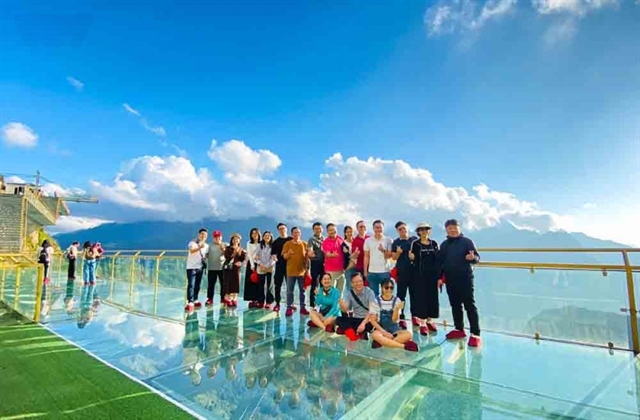
| The Rồng Mây Glass Bridge tourism complex at Ô Quy Hồ Pass attracts visitors with its spectacular mountain scenery. – Photos vov.vn |
LAI CHÂU — From the summit of Ô Quy Hồ Pass, mountain ranges rise and fall beneath drifting white clouds. Below, traditional homes of the Mông, Dao and Lự communities nestle amid lush green hills, offering visitors a glimpse of a way of life closely connected to the surrounding landscape.
For travellers seeking adventure, cultural discovery and an escape from urban life, Lai Châu is becoming an increasingly attractive destination. Its appeal lies not only in spectacular scenery and challenging mountain peaks, but also in the traditions and everyday experiences of its ethnic communities.
Cao Tuấn Linh, a visitor from Hà Nội, said the combination of dramatic landscapes and distinctive local cultures gave the province a unique appeal.
“I have travelled to many mountainous areas inhabited by ethnic minority communities, but Lao Chải 1 Village has something special,” Linh said. “From the traditional houses to the village paths, everything surprised me. I wondered why I had never had the chance to visit such a place in a Mông community before,” he added.
Home to 20 ethnic groups, Lai Châu possesses a rich cultural heritage reflected in traditional architecture, clothing, cuisine and daily customs. These living traditions offer visitors opportunities to discover local culture through direct encounters with the people who preserve it.
Nguyễn Thị Hoài Nam, who travelled from HCM City, was impressed by the community-based tourism villages, where visitors can sample traditional dishes, join cultural activities and learn about local livelihoods.
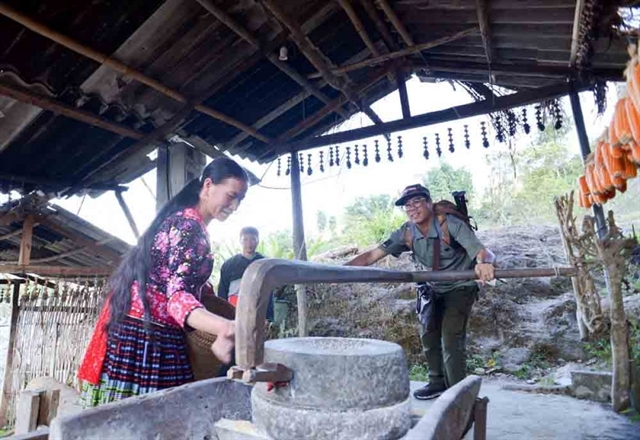
“What struck me first was the distinctive atmosphere. The terrain, the fresh air and the natural way of life are all special,” said Nam. “People continue to work and live as they always have, children play, and ethnic women sit sewing their clothes. The community makes the most of what it already has in everyday life,” she said.
|
| Visitors experience the daily life and customs of local residents in Lao Chải 1 Village in Khun Há Commune. |
From mountain adventures to richer experiences
From remote highland villages to ecological tourism sites, the range of experiences available in Lai Châu is expanding. Rather than relying solely on mountain-climbing tours, the province is developing more integrated itineraries combining nature, cuisine, cultural discovery and leisure activities.
The Ô Quy Hồ Pass ecological tourism area exemplifies this approach, bringing together panoramic mountain views with sightseeing, dining and opportunities to experience local cultural identity.
Nguyễn Hồng Nhung, a visitor from Hải Phòng City, said she was impressed by the tourism complex’s scale and natural surroundings.
“This is my first visit to the Ô Quy Hồ tourism area, and I am very impressed by the scale of the tourism complex and the surrounding scenery. Everything has been wonderful, and the weather is beautiful for our group today. Visitors can enjoy a range of experiences, from local cuisine to the distinctive cultural identity of the ethnic communities,” she said.
Tourism promotion campaigns, cultural and sporting events, digital platforms and partnerships with travel companies are also helping introduce Lai Châu to wider audiences and encourage visitors to explore multiple destinations during their stays.
By connecting natural attractions with community-based experiences, the province aims to encourage longer stays and higher visitor spending while ensuring local residents benefit from the value tourism generates.
|
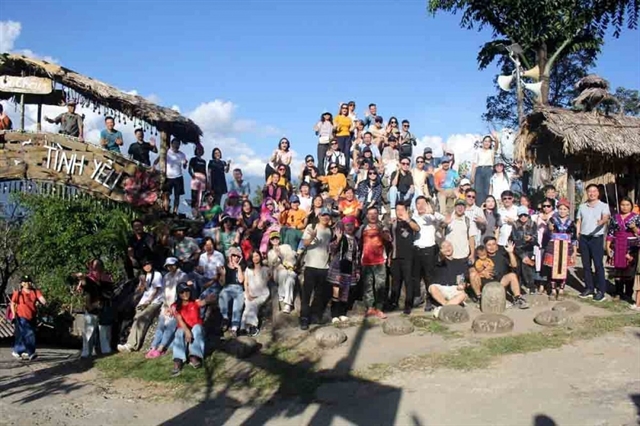
| Growing visitor numbers are helping Lai Châu advance towards its economic growth targets for 2026 |
Tourism as a driver of inclusive growth
According to the Lai Châu Department of Culture, Sports and Tourism, the province welcomed more than 1.9 million visitors in the first nine months of 2026, including approximately 75,000 international arrivals. Tourism revenue reached nearly VNĐ1.65 trillion (about US$63,5 million).
The figures highlight the sector’s economic potential. Beyond direct tourism revenue, visitor spending can create jobs, expand markets for agricultural produce and local specialities, and provide additional income for households.
To strengthen tourism’s contribution to the economy, Lai Châu plans to diversify its products, improve service quality, extend visitors’ stays and increase spending. Enabling communities to participate actively in tourism development and benefit from the experiences they help create is central to this effort.
Nguyễn Văn Hùng, director of Hoàng Gia Lai Châu Trading and Tourism Joint Stock Company, said the province had considerable untapped potential for adventure tourism.
“Lai Châu has some of the highest, most beautiful and most rewarding mountains to conquer, yet relatively few visitors come here. The bigger task is not simply to awaken tourism or draw attention to these mountains, but to develop tourism into a key economic sector. Local communities, villages and residents should benefit from the products and experiences they help create,” he said.
This direction aligns with the vision set out in the Politburo’s Resolution No. 80-NQ/TW on cultural development, which emphasises culture as an endogenous resource and a driver of sustainable development. In Lai Châu, the traditions, skills, cuisine and everyday lives of ethnic communities are not merely attractions for visitors; they are assets that can support livelihoods while strengthening cultural identity.
Protecting landscapes, preserving traditional ways of life and allowing residents to shape tourism activities will be essential to ensuring that commercial growth does not undermine the qualities that make the province distinctive.
In the final months of 2026, Lai Châu aims to welcome a further 400,000 visitors and generate VNĐ320 billion (about $12.3 million) in tourism revenue. It plans to intensify promotion, improve services, develop signature products and connect destinations into more compelling travel itineraries.
From towering peaks to villages where cultural traditions remain woven into daily life, Lai Châu is gradually translating its natural and cultural advantages into economic value. By connecting destinations and ensuring communities share in the benefits, tourism could become an important contributor to the province’s ambition for double-digit economic growth in 2026 and beyond. – VNS
Life & Style
 Life & Style
 Life & Style
 Life & Style
 Life & Style
 Life & Style
 Life & Style
 Life & Style
 Life & Style
 Life & Style
 Life & Style
 Life & Style
 Life & Style
 Life & Style
 Life & Style
.jpg)