 Life & Style

HKTDC Hong Kong International Lighting Fair (Autumn Edition) and Hong Kong International Outdoor and Tech Light Expo Set to Illuminate this October
1.
|
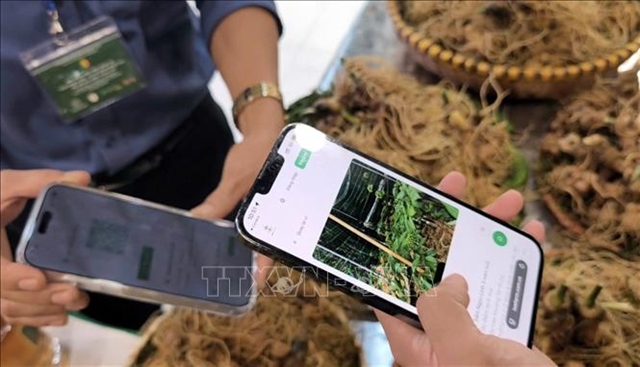
| A digital application allows Ngoc Linh ginseng buyers to view the plants' locations on a map, track care logs, and monitor the ginseng gardens directly via a camera system. — VNA/VNS Photos |
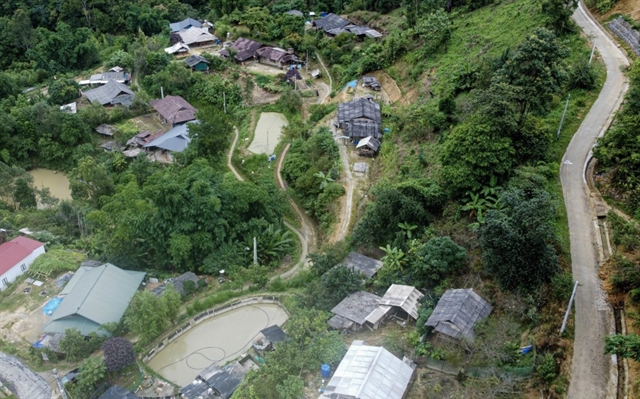
ĐÀ NẴNG — A customer hundreds of kilometres from the Ngọc Linh mountains can now check the location of a ginseng plant, follow its growth and see how it is being cared for through a smartphone.
For a product that grows in remote mountain gardens at an altitude of around 1,800m, the digital connection is offering consumers a closer look at what they are buying - and helping Ngọc Linh ginseng build a more trusted premium identity.
Ngọc Linh ginseng, considered a 'national treasure', is prized for its high saponin content and health value. Its rarity comes with a high price, however, with some products selling for tens of millions of Vietnamese đồng per kilogramme.
That value has also made the product vulnerable to counterfeiting and unclear origins, creating a challenge for both growers and consumers.
One response is to make the journey of each plant more transparent.
In June, Trà Linh Medicinal Materials JSC, in co-operation with IWE Homes Việt Nam JSC, introduced the iWE Farm application, which connects consumers with individual ginseng plants being grown in gardens in Ngọc Linh.
Instead of travelling nearly 200km from central Đà Nẵng to the remote growing area, customers can use the application to follow a plant from their phone.
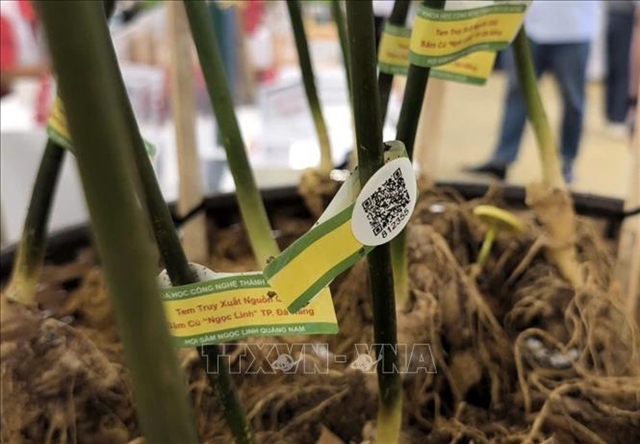
Each plant on the system is assigned a QR code, with information recorded from the nursery stage. Its cultivation and care records are updated throughout the growing process until harvest and delivery to the customer.
|
| Each ginseng plant is fitted with a chip and a QR code for identification, tracking it from its growth in the garden until it reaches the market. |
Customers can check the plant's location on a digital map, follow its cultivation records and monitor the garden through cameras. They can also leave the plant with the grower for continued cultivation before choosing to harvest it, receive the product or transfer ownership through the platform.
According to Lê Xuân Thạch, co-founder of IWE Homes Việt Nam, the model allows customers to buy a young ginseng plant and have it cared for by the farm as it develops.
For consumers, the appeal lies not only in owning a rare product but also in being able to follow its journey.
For growers, meanwhile, digital records provide a way to demonstrate where the ginseng comes from and how it has been cultivated.
Châu Tấn Huynh of Trà Linh Medicinal Materials JSC said the company began applying digital technology partly because fake and improperly sourced ginseng products remain a concern in the market.
QR codes provide consumers with information about the origin of the plant and help distinguish genuine Ngọc Linh ginseng from products of uncertain provenance.
The company is also working with other growers in Trà Linh Commune to expand the system and build a wider network connecting growers and consumers.
The effort is being supported by wider digitalisation in the management of Ngọc Linh ginseng.
Since 2022, authorities in the former Quảng Nam Province, now part of Đà Nẵng, have developed a project to build a database of ginseng-growing areas and apply blockchain technology to manage, verify and trace the origin and quality of Ngọc Linh ginseng products.
The system uses chip-based tags and rings carrying QR codes to identify plants and products and provide information along the value chain, from growing areas to consumers.
|
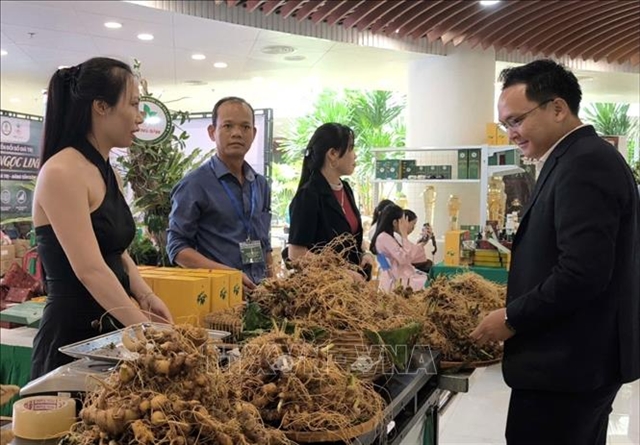
| Authenticating Ngoc Linh ginseng gives customers confidence regarding the origin, growth age, and quality of the finished product. |
Around 900 ginseng-growing households in Trà Linh have been issued accounts, while the database has been prepared for further implementation, said Vũ Hồ Vũ, director of Digital Kingdom Investment JSC and a member of the project team.
With a smartphone and internet connection, consumers can scan a chip or QR code to access information about the product. The system also uses artificial intelligence to provide information in different languages, potentially making Ngọc Linh ginseng easier to access for international visitors and overseas customers.
The move also reflects the broader direction of Resolution No 57-NQ/TW on national digital transformation, which encourages the use of digital tools to improve management, transparency and value creation.
For Ngọc Linh ginseng, technology is therefore becoming part of the product itself.
A QR code cannot replace the years needed for a ginseng plant to mature in the high mountains. But it can help consumers see where that plant grows, how it is cared for and how it reaches them.
As more growers join the system, the digital trail could become an important part of protecting the reputation of Ngọc Linh ginseng and strengthening its position as a premium Vietnamese agricultural and medicinal product. — VNS
Life & Style
 Life & Style
 Life & Style
 Life & Style
 Life & Style
 Life & Style
 Life & Style
 Life & Style
 Life & Style
 Life & Style
 Life & Style
 Life & Style
 Life & Style
.png) Life & Style
Life & Style
 Life & Style