 Life & Style
Việt Nam turns AI ambitions into business impact
1.
|
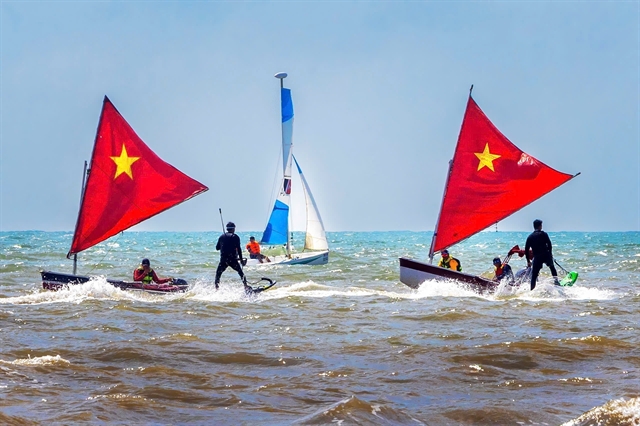
| The HCM City People’s Committee held the opening ceremony of the 2026 Culture and Tourism Festival at Tam Thắng Square in Vũng Tàu Ward on February 27, 2026. At the event, a series of sea sports activities, including sailing, flyboarding, stand-up paddleboarding (SUP) and jetboarding along Thùy Vân Park beach, attracted nearly 100 professional athletes competing and performing. — VNA/VNS Photo |
HCM CITY — HCM City’s tourism sector has sustained strong momentum after the Tết 2026 (Lunar New Year) festival, rolling out flexible products, short-break packages and digital solutions to keep visitors coming.
The sector recorded strong growth during the nine-day Lunar New Year holiday from February 14 to 22 (from Lunar December 27 to Lunar January 6) compared with the same lunar-calendar period of Tết 2025, according to the city Department of Tourism.
Tourism revenue reached VNĐ12.2 trillion (US$466 million) during the period, up 42.9 per cent.
During the festival period, 4.32 million visitors travelled to tourist sites across the city, an increase of 35 per cent. Of these visitors, international arrivals totalled 170,000, up 51.7 per cent.
Hotel room occupancy reached about 75 per cent, up 10 per cent compared with the previous period.
During Tết 2026, the city also recorded a growing trend towards urban tourism, with visitors enjoying sightseeing and festive experiences across the city. They were drawn to distinctive products and central spaces, while a series of large-scale annual Tết events helped retain visitors in the city and boost spending on services.
Domestic travellers were mainly families and groups of friends who combined family visits with short breaks. Many chose inner-city attractions such as flower streets, pedestrian areas, Tết markets, and shopping–dining–entertainment activities.
International visitors rose strongly in the urban sightseeing segment, while cultural and food experiences combined with tours to nearby destinations were especially popular.
Bến Thành Market, the Reunification Palace and the War Remnants Museum continued to welcome steady numbers of visitors, particularly foreigners, during Tết.
|
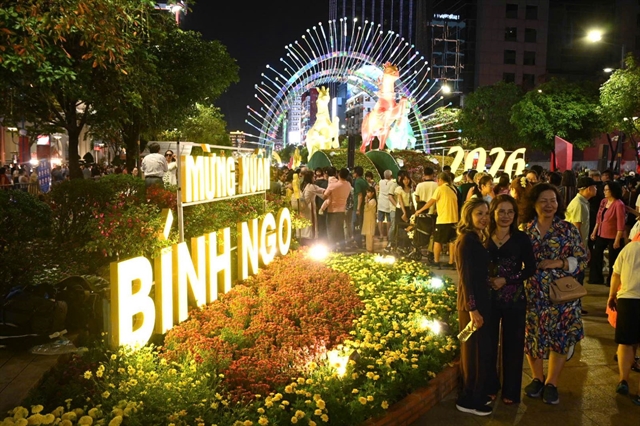
| Residents and tourists visit Nguyễn Huệ Flower Street during Tết 2026 in HCM City’s Sài Gòn Ward. — VNA/VNS Photo |
Short tours
After Tết, the city’s tourism market has remained lively with short tour programmes, including city tours, night experiences, food tours and river trips.
Across the accommodation system, many hotels have launched promotional room rates, improved service quality and increased staffing levels.
Food and beverage businesses, entertainment venues and shopping centres have extended opening hours and refreshed their products to enhance visitor experiences.
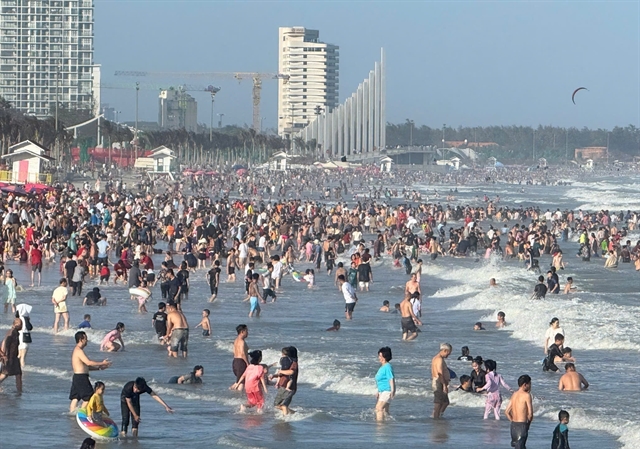
At coastal destinations, Vũng Tàu and nearby Hồ Tràm and Long Hải have maintained high occupancy rates.
Thu Thủy, a resident of Thủ Đức Ward, said: “During Tết, many people spend time with family and relatives, so they do not travel. The weekends after Tết are suitable for short tours.
“As many people choose short tours, they prioritise destinations offering on-site accommodation, dining and entertainment facilities,” she said.
Trung Hậu, an office worker from Thuận An Ward, said: “More people now prefer short trips and travel after Tết because the time before and during the holiday is often spent finishing year-end work and preparing for Tết.”
|
| Crowds of visitors flock to Bãi Sau Beach in HCM City’s Vũng Tàu Ward during the Tết 2026 (the Lunar New Year) festival. — VNA/VNS Photo |
After the former provinces of Bình Dương and Bà Rịa – Vũng Tàu were merged into HCM City in July 2025, the city’s tourism space expanded, with richer resources and more diverse opportunities for cooperation.
The Department of Tourism has also taken the lead, working with the people’s committees of wards, communes and special zones to make better use of cultural spaces, destinations and distinctive tourism products.
This has created more travel options within the city for residents, and domestic and foreign visitors.
From HCM City, tourists can also join inter-provincial tours to southern destinations known for their natural landscapes, developed infrastructure and convenient transport links, such as Phú Quốc, Nha Trang, Phan Thiết and Đà Lạt.
|
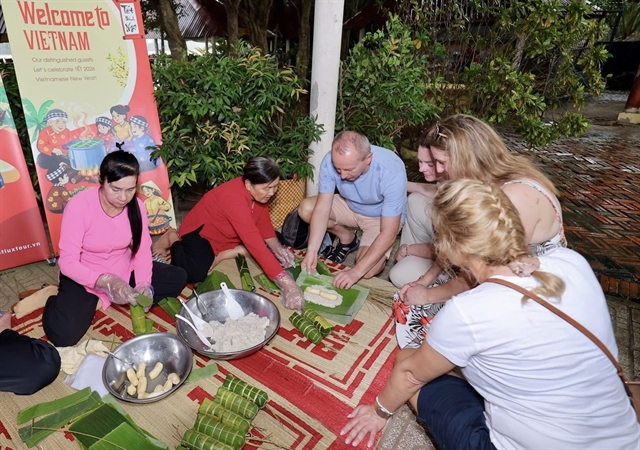
| Foreign visitors try their hand at wrapping bánh Tét (a traditional cylindrical sticky rice cake filled with pork and mung beans, traditionally eaten at Tết). — VNA/VNS Photo |
Tourism events
The HCM City People’s Committee held the opening ceremony of the 2026 Cultural – Tourism Festival at Tam Thắng Square in Vũng Tàu Ward on February 27.
The festival space combines traditional arts, beach sports and illuminated paragliding performances. These activities help enrich cultural life and diversify tourism products.
The event helps connect heritage sites and well-known attractions such as the Reunification Palace, Bến Thành Market and the Củ Chi Tunnels with the coastal tourism ecosystems in Vũng Tàu, Hồ Tràm, Long Hải and Côn Đảo.
It also links to scenic areas including Đại Nam Tourist Area and Dầu Tiếng Reservoir, offering residents and visitors more opportunities to explore and experience.
Trần Thị Diệu Thúy, deputy chairwoman of the municipal People’s Committee, said the festival conveyed the message: “Preserve identity – Create opportunities.”
“The event serves as a bridge to promote the image, potential and strengths of the city to visitors,” she said.
After the opening ceremony, the city will continue to maintain and expand a range of practical, cultural and entertainment activities this year.
These include the 12th Áo dài Festival, the “Non sông liền một dải” (The nation united as one) Festival to mark the Liberation of the South and National Reunification Day on April 30, the HCM City International Light Festival, as well as brass band and puppetry festivals.
The organisation of these events after Tết will provide more choices for residents and visitors. They also help extend stays, increase spending and attract international tourists during the low season.
|
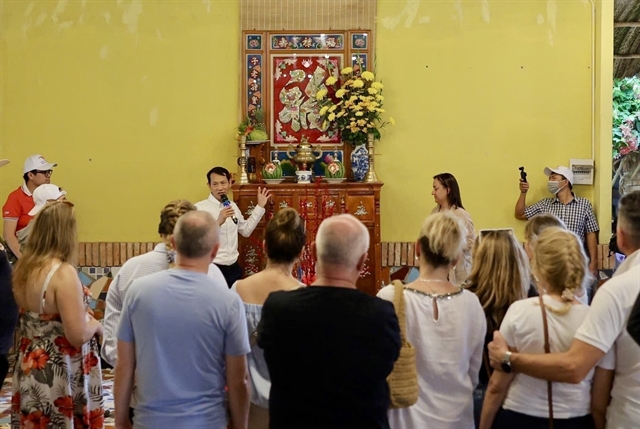
| Foreign visitors join the “Người Tây ăn Tết miền Tây” (Foreign visitors experience Tết in the Mekong Delta) tour organised by a HCM City-based travel company. — VNA/VNS Photo |
The city aims to build a tourism brand that is impressive, friendly and safe in 2026.
The tourism sector is now entering a new phase with strong determination to develop products that carry a clear identity, take the lead in digital transformation and build professional culture as a core value.
It also accelerates digital transformation and develops smart tourism.
Vũ Ngọc Lâm, country director of Agoda Việt Nam, said Vietnamese travellers are increasingly open to applying technology to their journeys.
Strong interest in Artificial Intelligence (AI) reflects a mindset that values convenience, efficiency and personalisation, he said.
According to the Travel Trends 2026 Report released by digital travel platform Agoda, 81 per cent of Vietnamese respondents said they would use AI for their next trip. About 86 per cent said they trusted or were neutral about information generated by AI.
Phạm Huy Bình, director of the Department of Tourism, said: “Each visitor who comes to the city is not only looking for a trip, but also exploring the story of a land with a dynamic lifestyle and distinct identity.
“The tourism sector is making daily efforts to deliver more complete and humane experiences that meet modern trends,” he said.
The Department of Tourism will continue to promote smart tourism, using big data, digital maps, AI and multi-channel personalised platforms to create a modern, convenient and internationally competitive ecosystem.
It is committed to strong innovation, deeper engagement, broader cooperation, and greater creativity so that tourism truly becomes a modern, humane and integrated economic sector in the new era.
|
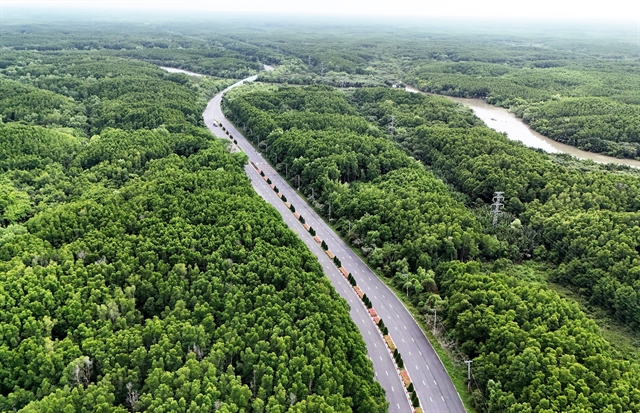
| Cần Giờ mangrove forest, a UNESCO-recognised world biosphere reserve, is one of HCM City’s popular tourist attractions. — VNA/VNS Photo |
The city aims to welcome 11 million international visitors and 50 million domestic travellers this year.
It received nearly 8.6 million international visitors and nearly 46 million domestic travellers last year, up 40.3 per cent and 20 per cent, respectively, against 2024.
Total tourism revenue reached VNĐ278.6 trillion ($10.6 billion) last year, an increase of 45.8 per cent year-on-year. — VNS
Life & Style
 Life & Style
 Life & Style
 Life & Style
 Life & Style
 Life & Style
 Life & Style
 Life & Style
 Life & Style
 Life & Style
 Life & Style
 Life & Style
 Life & Style
 Life & Style
 Life & Style