 Life & Style
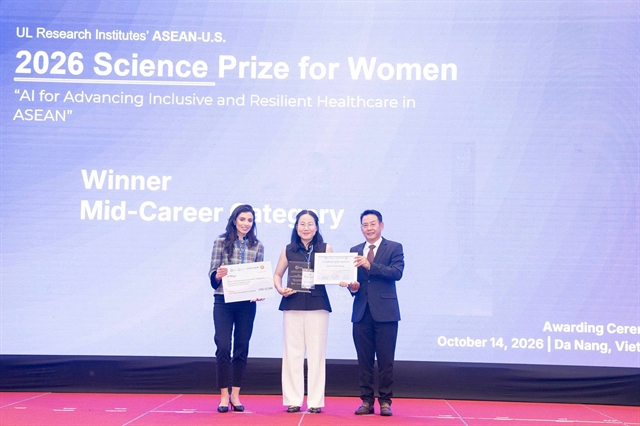
Vietnamese scientist wins ASEAN-US Science Prize for Women
1.
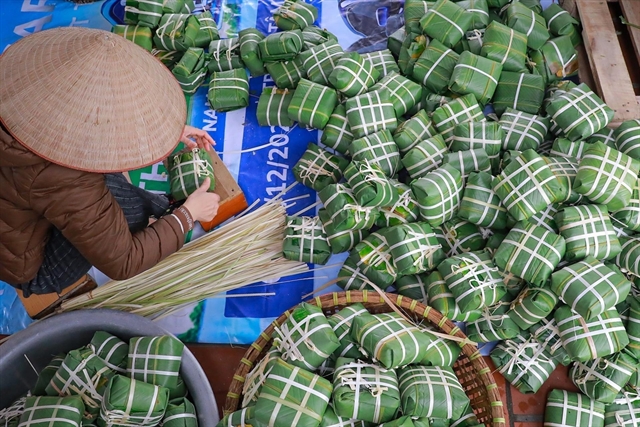 |
| Chưng cakes are cooked from 10-12 hours to create a soft, chewy texture and flavourful taste. Photo VNA/VNS |
HÀ NỘI — Among the many symbols of the Vietnamese Lunar New Year (Tết), bánh chưng (traditional square sticky rice cake) remains one of the most enduring. More than a festive dish, it represents heritage, culture, and the gifts of nature that have shaped Vietnamese life for generations. Remembering bánh chưng is, for many, the same as remembering Tết itself – the ancestral tradition and the warmth of family reunion each spring.
The taste of Tết and memories of togetherness
Square in shape and wrapped in green dong (Stachyphrynium placentarium) leaves, bánh chưng is made from glutinous rice, yellow mung beans and pork. The harmony of colours evokes the earth, vegetation and abundance. Traditionally, the square form symbolises the earth and expresses hopes for favourable weather and good harvests in the coming year. The cake, therefore, carries not only culinary value but also deep spiritual meaning.
In the final days of the year, as Tết approaches, families across Việt Nam gather to make the cakes together – a cherished memory shared by many generations. Some wash leaves, others rinse rice or prepare the filling, while children watch eagerly as adults fold the leaves into neat squares. The cakes are boiled overnight, and the long hours of waiting often become moments for storytelling, laughter and bonding. The pot of bánh chưng warms not only with the aroma of newly harvested rice but also with the warmth of family connection.
Today, modern lifestyles mean many families choose to buy ready-made cakes rather than prepare them at home. Nevertheless, the cultural value of bánh chưng remains unchanged. Whether handmade or commercially produced, the cake retains its familiar flavour, one that evokes home and reunion.
Keeping Tết alive far from home
Beyond Việt Nam’s borders, bánh chưng continues to accompany Vietnamese communities around the world. Cake-making gatherings overseas often become small cultural festivals for expatriate communities.
Thousands of kilometres from home in Pretoria, South Africa, Vietnamese keep Tết traditions alive by making green square cakes, symbolising harmony, reunion, and prosperity.
On cake-making day, the shared kitchen of the Vietnamese Embassy in South Africa fills with laughter and conversation. Embassy staff, along with colleagues from the Defence Attaché Office, the Trade Office and the Vietnam News Agency, gather to prepare bánh chưng for the community’s Tết celebration.
Thúy Nga, the spouse of a Vietnamese diplomat in South Africa, said: “For me, making bánh chưng in South Africa is not just cooking; it is how we embrace our roots and preserve the soul of the homeland in the southern hemisphere. Each cake is a reminder that our homeland lives on in every grain of rice, every bamboo string and every shared smile,” she said.
When the cakes are finally lifted from the pot, their fragrance spreading through the air, everyone senses that Tết has truly arrived. No matter how far from home, as long as traditions are preserved and communities stay connected, the homeland remains present – in every slice of bánh chưng infused with the taste of Tết. — VNA/VNS
Life & Style
 Life & Style
 Life & Style
 Life & Style
 Life & Style
 Life & Style
 Life & Style
 Life & Style
 Life & Style
 Life & Style
 Life & Style
 Life & Style
 Life & Style
 Life & Style
 Life & Style