 Economy



SMS Tan Kiat How, Rosianna Silalahi and Glenda Gloria to speak at PRISM Summit 2026
1.
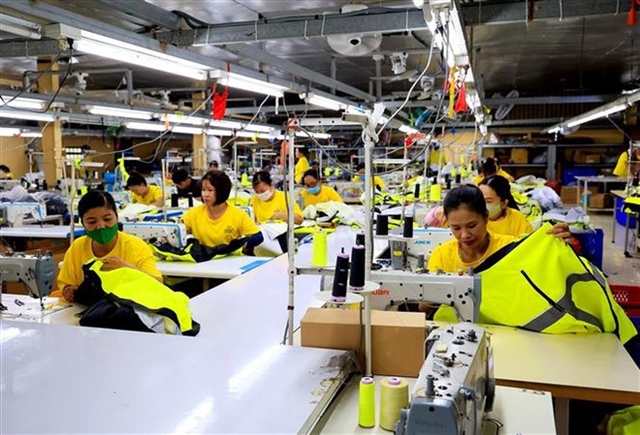 |
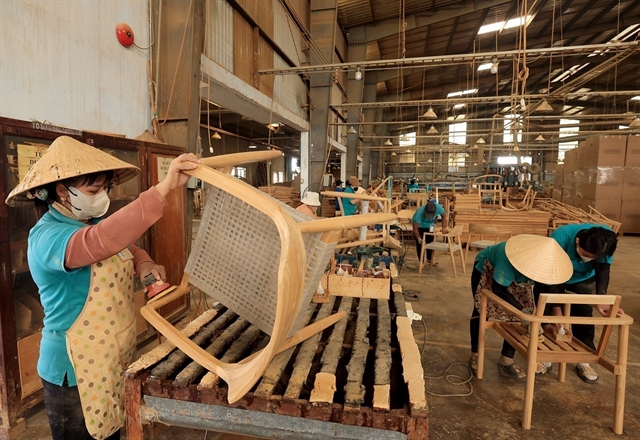
| Workers during a shift at a garment company in HCM City. VNA/VNS Photo Hồng Đạt |
HÀ NỘI — The Ministry of Industry and Trade has proposed shifting authority to license the processing of goods for export and import from the ministry to provincial-level People’s Committees, arguing that the current system creates confusion for businesses and no longer reflects regulatory practice.
The ministry said the number of applications for processing licences has been small, yet many firms remain unclear about which goods require permits. Some have applied for licences for items not subject to approval. At the same time, specialised management regulations no longer require licensing for such activities, raising questions about the need to retain authority at central level as administrative reform gathers pace.
The Vietnam Chamber of Commerce and Industry has highlighted broader shortcomings in the Law on Foreign Trade Management, saying several provisions have not kept pace with practical developments or Việt Nam’s international commitments.
One notable gap is the absence of a clear legal mechanism allowing enterprises to re-import goods they previously exported for repair, warranty or other legitimate purposes, particularly when those goods fall under import bans. Businesses say this limits operational flexibility and disrupts production and trading plans.
Regulations governing certificates of origin and the approval of traders authorised to self-certify the origin of exported goods have also proved problematic. Criteria applied by central and local authorities are not always consistent, potentially delaying export procedures and affecting the credibility of Việt Nam’s origin certification system with partners under free trade agreements.
Implementation of commitments under the Comprehensive and Progressive Agreement for Trans-Pacific Partnership has added further pressure. The agreement requires Việt Nam to progressively establish a mechanism for self-certification of origin for imported goods. However, the current law lacks detailed provisions on decentralisation, oversight responsibilities and the framework for qualified importers to undertake self-certification, complicating compliance.
According to Hoàng Văn Doãn of the Hà Nội Bar Association, some provisions lack internal consistency, such as overlaps between Articles 32 and 34 on origin certification that can create confusion in practice. Authority to issue certificates of free sale remains confined to state agencies, which may not align with trade facilitation objectives or international practice and could increase time and costs for businesses.
The Ministry of Justice and the Ministry of Industry and Trade have agreed that amendments are necessary to remove bottlenecks, improve legal coherence and support deeper international integration.
Deputy Minister Nguyễn Sinh Nhật Tân said transferring licensing authority to provincial-level People’s Committees is consistent with the Party and State’s policy on decentralisation. The move, he said, would strengthen the proactiveness and accountability of local authorities while allowing ministries to focus on policy development, guidance and oversight.
The ministry has also proposed revising regulations to ease trade, including introducing a mechanism to allow re-import of exported goods, including those on the import ban list, for legitimate purposes before re-export to other markets, refining self-certification procedures and clarifying rules on certificates of free sale.
Officials say the proposed changes would reduce administrative burdens, lower costs and foster a more transparent and business-friendly environment for foreign trade. — VNS
Economy
 Economy
 Economy
 Economy
 Economy
 Economy
 Economy
 Economy
 Economy
 Economy
 Economy
 Economy
 Economy
.jpg) Economy
Economy
 Economy