 Life & Style

Vietnamese scientist wins ASEAN-US Science Prize for Women
1.
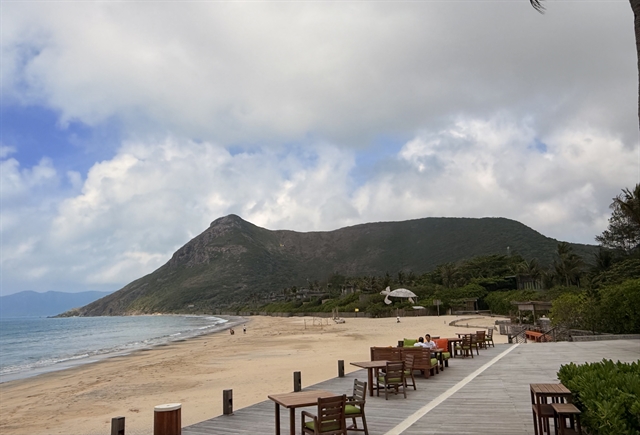 |
| While much of the country celebrates with fireworks, Côn Đảo offers a unique experience for travellers during Tết. — VNS Photo Thu Ngân |
HCM CITY — With the upcoming Lunar New Year (Tết) Holiday lasting nine days, it presents a perfect opportunity for both foreign and domestic tourists to explore local heritage with greater purpose.
Beyond the vibrant city fireworks and bustling flower markets, Tết offers a rich tapestry of rituals, ancient beliefs, and local customs.
For those seeking a more profound connection, the holiday provides a gateway to intimate cultural experiences, from candlelit pilgrimages in the far south to 1,200-year-old stone villages in the northern highlands. Many destinations have been highly recommended for travelers to enjoy during Tết.
Côn Đảo Island in HCM City tops the list as the first choice. While much of the country celebrates with fireworks, Côn Đảo offers a unique experience.
On New Year’s Eve, the island quiets down as locals gather at Hàng Dương Cemetery to pay tribute to national heroes. Travelers can join a silent procession through incense smoke and flickering candlelight, experiencing a solemn and beautiful ritual grounded in gratitude.
Booking.com recommended the “Charcoal Tết” as the second choice.
In Việt Nam’s Central Highlands, the Giẻ Triêng people welcome the new year by covering themselves in black. Young men burn selected forest trees to create charcoal, carrying it back to the village to playfully throw it over fellow villagers. The ritual, with the belief that more charcoal brings luck for the upcoming year, is joyful, chaotic, and deeply symbolic.
Another option is the Royal Cây Nêu Ceremony in Thừa Thiên-Huế central province. In the ancient capital of Huế, Tết commences similarly to how it did for emperors. Guards dressed in 19th-century court attire raise the Cây Nêu, a tall bamboo pole believed to ward off evil spirits. This ceremony marks the official start of the royal holiday and provides a rare glimpse into Vietnam’s dynastic rituals, revived solely during this period.
Moving to the Mekong Delta, enjoying fruit rituals and flower boats in Cần Thơ City is a delightful idea. In southern Vietnam, Tet traditions involve wordplay and water. Families prepare a fruit tray based on a linguistic pun, symbolising wishes for prosperity.
At Cái Răng Floating Market, the river turns into a floating garden as boats filled with yellow flowers create a picturesque scene at sunrise.
A visit to the stone village of Cao Bằng offers a joyful experience. Near the Chinese border, Tết celebrations amidst the dramatic limestone landscape include trips to Bản Giốc Waterfall and quiet festivities in Khuổi Ky Village, where the Tày people reside in ancient stone houses. The ambience is authentic and serene, contrasting with urban celebrations.
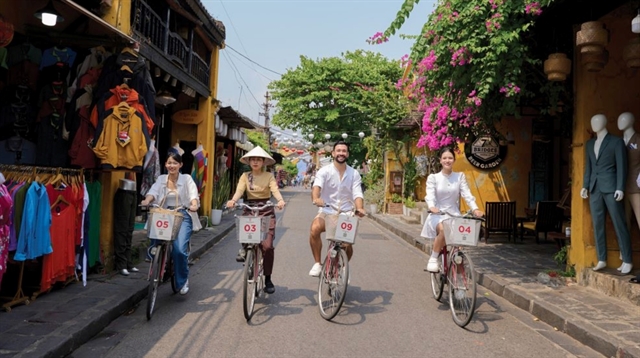
Lion dances are a common sight in Việt Nam, with Hội An being an atmospheric location for such festivities. In Hội An Ancient Town, drumbeats reverberate through narrow alleys past centuries-old merchant houses. In between performances, locals gather for Bài Chòi, a traditional singing bingo game played in the streets.
Just 50 kilometers from Hà Nội, Đường Lâm preserves the traditional rhythms of northern Tết. The village's red clay houses, communal gates, and calligraphy scrolls offer a glimpse of an older time. Village elders engage in tea ceremonies and offer rituals as they have done for generations, providing a serene contrast to the bustling energy of the capital. — VNS
Life & Style
 Life & Style
 Life & Style
 Life & Style
 Life & Style
 Life & Style
 Life & Style
 Life & Style
 Life & Style
 Life & Style
 Life & Style
 Life & Style
 Life & Style
 Life & Style
 Life & Style