 Environment
Nuclear technology offers new growth opportunities for Đồng Nai
1.
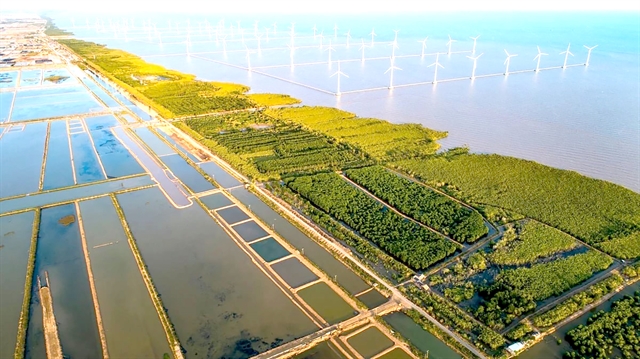 |
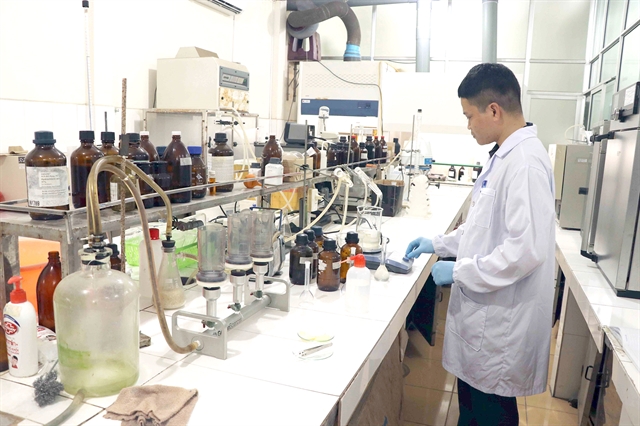
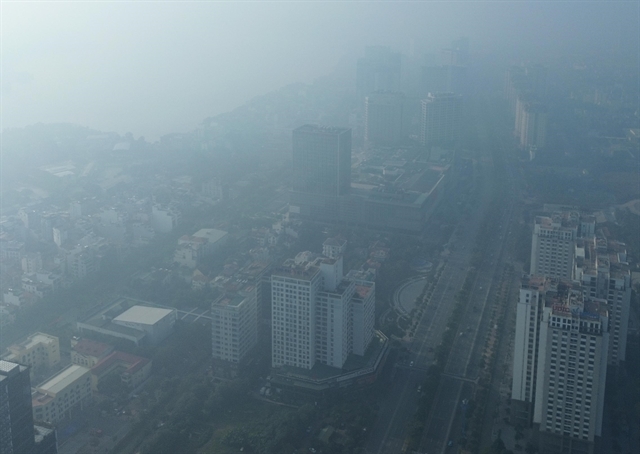
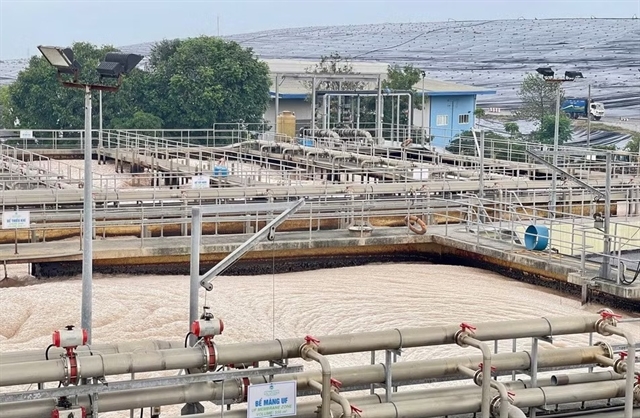
| Environmental protection is a way to make the environment a motivation for green economic development. — Photo baochinhphu.vn |
HÀ NỘI — In the context of climate change that has become increasingly complex and intense, the work of environmental protection has required a more proactive, modern and integrated management approach, laying the foundation for green growth and sustainable development rather than simply addressing violations and mitigating consequences.
Therefore, Conclusion No. 75-KL/TW of the Party Central Committee on environmental protection and proactive response to climate change in the new era calls for a shift in mindset from "passive reaction" to "proactive response" with the primary objective of ensuring a safe and clean living environment, while safeguarding the health, lives and livelihoods of all citizens.
The development experience of recent decades shows that environmental protection has largely focused on pollution control, treatment and remediation after problems or incidents have occurred. While this approach has played a role, its limitations are becoming increasingly apparent in the face of complex environmental challenges with far-reaching impacts.
Once pollution has accumulated, ecosystems have deteriorated or natural disasters have struck, the resulting damage can be extensive and remediation costs substantial.
Meanwhile, losses affecting public health, livelihoods and natural resources can persist for years.
Against the backdrop of the transition towards green and sustainable development, there is therefore a growing need to shift from a mindset of “passive reaction” to “proactive response”, placing prevention, early identification and risk control at the heart of environmental governance.
This represents an important shift in development thinking: proactively forecasting potential threats, assessing the environment’s carrying capacity, controlling pollution sources at the outset, and fully accounting for ecological impacts when formulating policies, drawing up plans and making investment decisions.
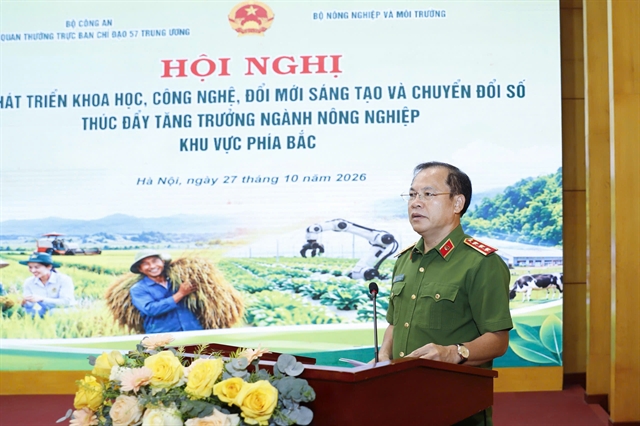
"Environment has become a motivation for economic development and foundation for green transition that helps improve growth quality, national competitiveness and people's living standards," said Tăng Thế Cường, head of Environment Department.
"Thus, Conclusion No. 75-KL/TW has not only changed the mindset of environmental protection but also expressed a new thinking of economic development when the environment is considered a new resource and factor that shapes new competitiveness," Cường said.
Meanwhile, deputy Minister of Agriculture and Rural Development Lê Trọng Yên said that shifting to the active response must place human and people's living quality at the centre while development and planning must occur within ecological limits and in alignment with the environment’s carrying capacity.
Modern and data-based governance
According to environmental experts, rather than focusing solely on inspections and enforcement after violations have occurred, management agencies need to be able to identify major pollution sources, pinpoint environmentally sensitive areas, forecast the risk of exceeding environmental carrying capacity, and prioritise resources for issues that could have the most serious consequences.
To achieve this, digital transformation and the development of a national environmental database are crucial.
Data on air and water quality, waste, emissions and ecosystem conditions need to be integrated, regularly updated and used for forecasting, early warnings, policymaking and enforcement monitoring.
When information is standardised and shared among relevant agencies, environmental risks can be identified earlier and management responsibilities more clearly defined, reducing information gaps and delays in coordination when incidents occur, according to Cường.
Another key requirement is to move away from fragmented management based on individual sectors and administrative boundaries towards integrated governance across sectors and regions.
In practice, the environment does not operate within administrative boundaries.
Pollution in one stretch of a river, for example, can affect multiple localities, while emissions from different sources can combine to degrade air quality across a wider area.
Climate change can also simultaneously affect agricultural production, water resources, energy supplies and community livelihoods.
Therefore, if each sector and locality addresses only the issues within its own remit without effective coordination mechanisms, many problems will remain unresolved at their root.
Along with governance, social resource mobilisation, scientific-technology innovation and green and low-carbon economic development are also indispensable conditions.
Environmental protection can only become a driver for development when businesses have incentives to innovate technology and reduce emissions; individuals are empowered to adopt a green lifestyle; and regulatory authorities ensure transparency and effectiveness in enforcement, said Yên.
"Offices, organisations, schools, businesses and residential communities should carry out practical activities such as cleaning streets, rivers and lakes, reducing single-use plastics, scaling up green models, practising waste sorting at the source, conserving energy, and using resources responsibly should all become regular habits," said Yên.
"The true measure of a fundamental shift in environmental protection thinking lies not in the number of documents or plans issued, but rather in the capacity to prevent pollution at an early stage, effectively control sources of waste, restore ecosystems, and enhance resilience against climate change," he said. — VNS
Environment
 Environment
 Environment
 Environment
 Environment
 Environment
 Environment
 Environment
 Environment
 Environment
 Environment
 Environment
 Environment
 Environment
 Environment