 Environment
Liechtenstein PM’s Việt Nam visit a success on every front: Deputy FM
1.
|
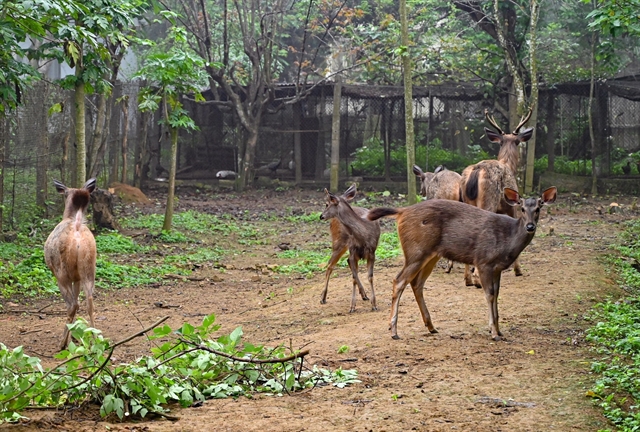
| Deers are taken care of in the Cúc Phương National Park. — VNA/VNS Photo Đức Phương |
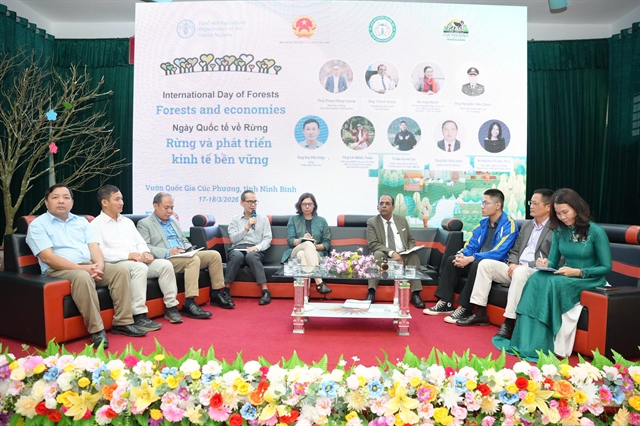
HÀ NỘI — Cúc Phương National Park and Save Việt Nam’s Wildlife (SVW) have launched Việt Nam’s first national park rewilding action plan, outlining measures to restore wildlife and rebuild ecosystems at the country’s oldest protected area.
Under the Cúc Phương Rewilding Action Plan 2026–2035, with a vision to 2050, the initiative aims to transform the park into a natural gene bank capable of supplying wildlife populations to other protected areas nationwide.
The ultimate objective is to return wildlife to their rightful habitats so they can perform their ecological functions, the park’s Director Nguyễn Văn Chính said at the launch held on March 20.
Over the 2026–2035 period, the park will focus on four pillars: scientific research and habitat restoration, priority reintroductions, post-release monitoring, and a One Health approach linking ecosystem, animal and human health to reduce the risk of zoonotic disease transmission.
Rewilding efforts will extend beyond the park’s 22,400 hectares to an interprovincial corridor linking Ninh Bình, Thanh Hoá and Phú Thọ, covering more than 50,000 hectares to enhance habitat and genetic connectivity, organisers said.
A flagship campaign, Cúc Phương Snare-Free, aims to remove more than 95 per cent of cable snares in release zones before animals are returned to the wild, supported by sustained patrols and surveillance. Local communities play a central role in the plan, participating in patrols and monitoring while promoting sustainable livelihoods such as ecotourism. Results-based payment pilots will test mechanisms to share conservation benefits with residents.
SVW Director Nguyễn Văn Thái said partnerships between NGOs and national parks are essential and pledged financial and technical support aligned with IUCN standards.
Đoàn Hoài Nam, Deputy Director of the Department of Forestry and Forest Protection, praised the park for leading the initiative and said the department would continue supporting rescue, conservation and rewilding efforts, while issuing technical guidelines to improve implementation. — VNA/VNS
Environment
 Environment
 Environment
 Environment
 Environment
 Environment
 Environment
 Environment
 Environment
 Environment
 Environment
 Environment
 Environment
 Environment
 Environment