 Brandinfo
Monitoring without limits
1.
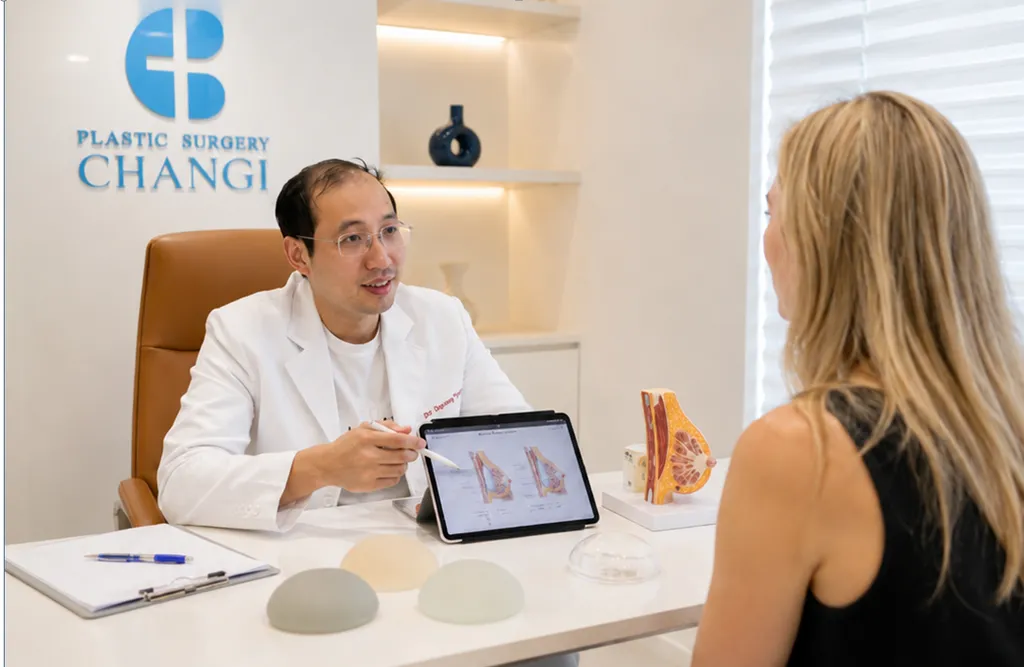 |
| Careful consultation and individualised surgical planning may help reduce the likelihood of revision breast surgery |
Plastic surgeons say they are seeing more patients seeking revision breast surgery in clinical practice. The reasons vary widely, including capsular contracture, implant malposition, breast asymmetry, postoperative ptosis and results that fail to match the patient's body proportions or original expectations.
While not every revision case results from choosing a lower-cost provider, many demonstrate that rushed decisions or insufficient preoperative consultation can increase the likelihood of requiring additional surgery.
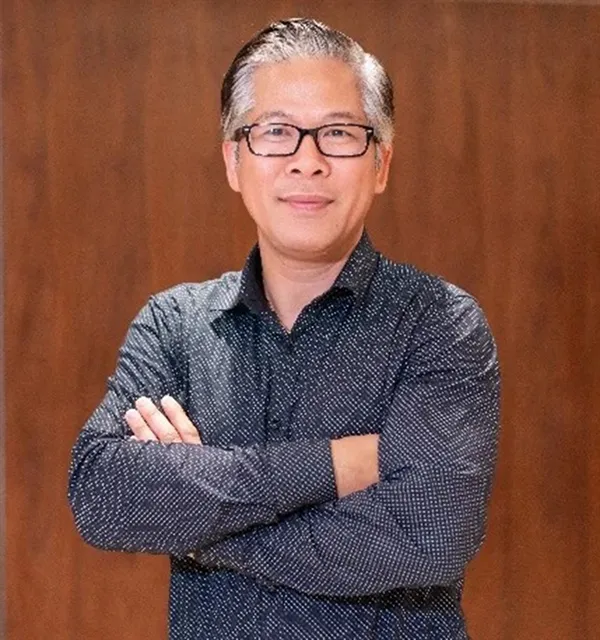
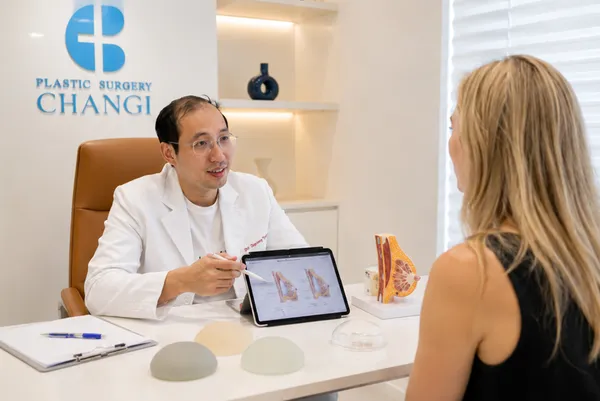
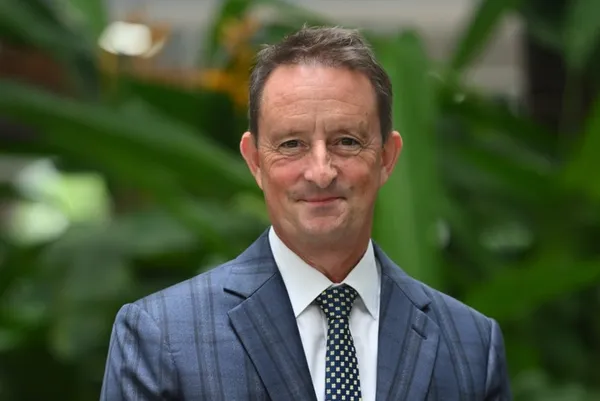
MSc Dr Nguyễn Quang Tuấn is a plastic and reconstructive surgeon specialising in facial rejuvenation, breast surgery, rhinoplasty and body contouring. He practices at Bac Ha International Hospital in Hà Nội and City International Hospital in HCM City.
According to Dr Nguyễn Quang Tuấn, what makes revision breast surgery significantly more challenging is the tissue changes that occur after the initial procedure.
"Revision surgery is always more complex than primary breast augmentation. Scar tissue, capsular contracture and anatomical changes make it much more difficult to restore a natural breast shape, and in some cases, it may not be possible to achieve the patient's original expectations."
He explained that many revision procedures involve more than simply replacing breast implants. Surgeons may also need to remove scar tissue, treat capsular contracture, reposition implants, reconstruct the implant pocket or combine the procedure with a breast lift to restore the overall breast contour. As a result, revision surgery often requires a longer recovery period, higher treatment costs and considerably greater technical expertise.
Many specialists also point out that revision surgery is not simply a repeat of the original procedure. Unlike primary breast augmentation, revision cases often require surgeons to address multiple issues simultaneously, including scar tissue, altered anatomy, stretched skin and changes in implant position.
The surgical plan must therefore be tailored to each patient's previous operation, current breast condition and long-term aesthetic goals, particularly for international patients who may have limited opportunities for long-term follow-up after returning to their home countries.
According to specialists, the long-term outcome of breast augmentation does not depend on a single factor, but rather on a combination of careful preoperative assessment, including chest wall anatomy, soft-tissue quality and the degree of breast ptosis, as well as appropriate implant selection, individualised surgical planning and comprehensive postoperative care. Neglecting any one of these elements may compromise the final result.
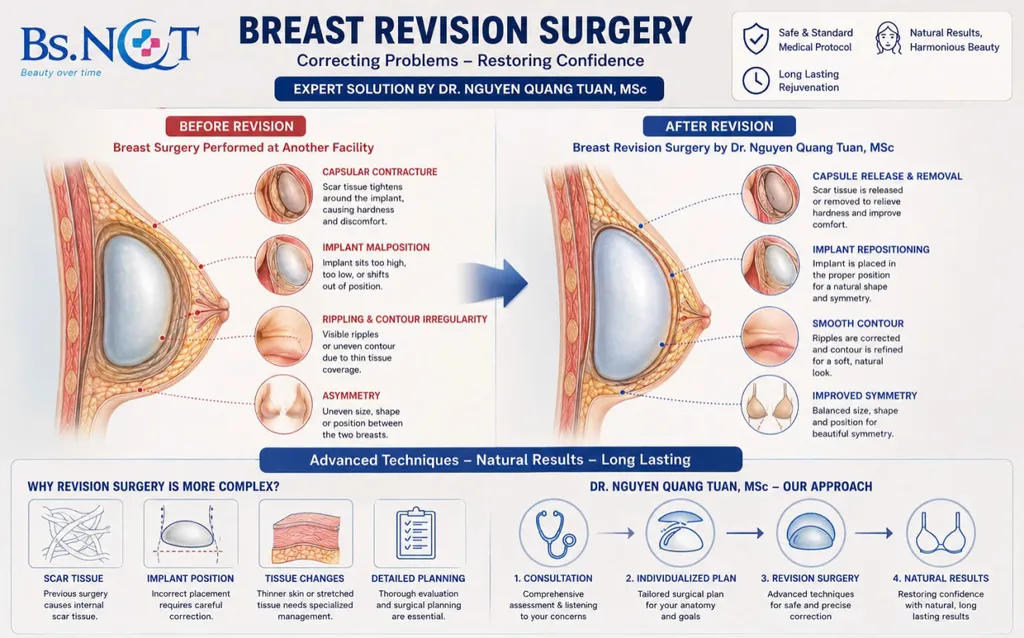 |
| Revision breast surgery is generally more complex than primary breast augmentation |
For international patients, the factors influencing destination choice have also evolved. While treatment cost was once the primary consideration, many patients now place greater emphasis on surgeons' qualifications, hospital standards, postoperative care protocols and the availability of long-term follow-up after returning home.
"Cost is certainly an important consideration, but it should never be the only one. Patients should understand where they are having surgery, who is performing the procedure and what treatment plan has been developed for them. Making the right decision from the beginning is always more valuable than undergoing multiple corrective procedures later," said Dr Nguyễn Quang Tuấn.
As medical tourism continues to expand, specialists encourage patients to spend adequate time researching their surgeon, healthcare facility and treatment plan before undergoing breast augmentation. While price may be the most visible factor, professional expertise, patient safety and long-term outcomes ultimately determine the true value of treatment./.
Contact MSc. Dr. Nguyen Quang Tuan for professional consultation and expert medical information for both domestic and international patients:
🌐 Website: drquangtuan.com
📍 Hanoi: Bắc Hà International Hospital
📍 Ho Chi Minh City: City International Hospital
📞 Hotline/Zalo: +84 91 404 5843
📱 WhatsApp: +84 91 404 5843 / +84 91 399 1627
Brandinfo
 Brandinfo
 Brandinfo
 Brandinfo
 Brandinfo
 Brandinfo
 Brandinfo
 Brandinfo
 Brandinfo
 Brandinfo
 Brandinfo
 Brandinfo
 Brandinfo
 Brandinfo
 Brandinfo