 Travel
Beyond the clouds, Vân Sơn holds on to its Mường heritage
1.
|
|
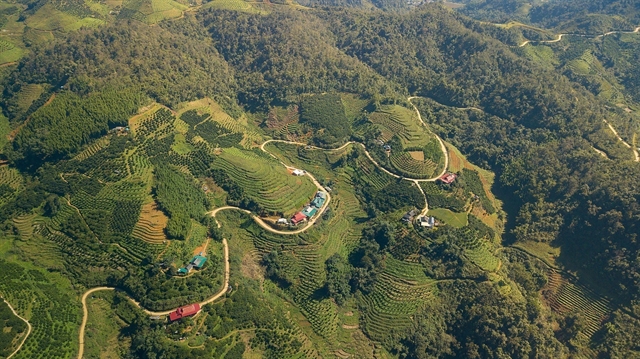
| The road from the centre of Vân Sơn Commune down to Xôm Village. — VNA/VNS Photo |
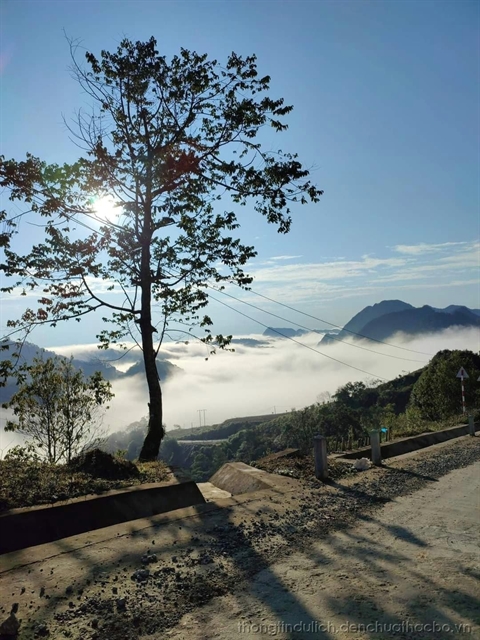
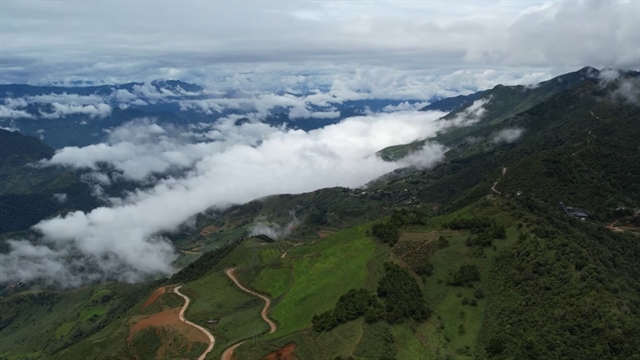
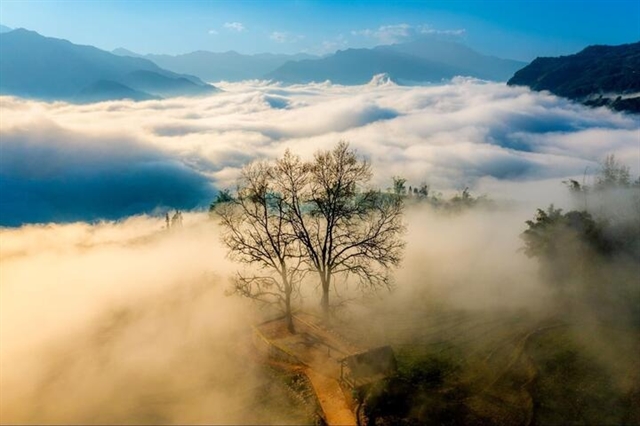
PHÚ THỌ — The mountains are still shrouded in mist when the first light of day reaches Vân Sơn. Clouds drift slowly across the slopes, gathering above the valleys before lifting to reveal green fields, forested hills and traditional stilt houses.
At around 1,000m above sea level, this highland commune has earned its nickname, the Roof of Mường Land, as well as the name Valley of Clouds.
For visitors, the appeal begins long before they arrive.
Turning off National Highway 6 in Mường Bi, travellers follow a winding mountain road for about 10km. The drive calls for care, but there is plenty to admire along the way: waterfalls tumbling through the forest, extensive chayote fields covering the hillsides and terraced rice fields surrounding villages where the Mường people have lived for generations.
The cool climate makes Vân Sơn an appealing retreat throughout the year. Each season brings a different reason to explore, whether it is the changing mountain scenery, the agricultural harvest or the chance to experience local life.
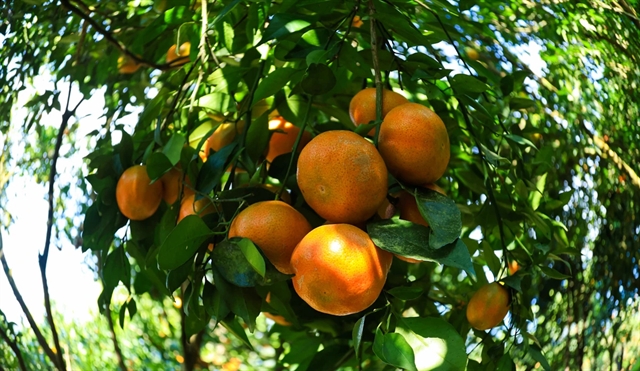
During the mandarin harvest, the orchards are particularly inviting. Known locally as Nam Sơn mandarins, the fruit is among the area's best-loved specialities. Visitors can walk among the trees, hear stories from growers about the old mandarin varieties cultivated on the mountain slopes and pick the ripe fruit themselves.
|
| Clouds drift slowly across the slopes in Vân Sơn Commune. — Photo thongtindulich.denchuathacbo.vn |
Nguyễn Lê Anh Thư, a visitor from Hà Nội, said the orchard visit was one of the highlights of her group's trip. Spending a morning picking and tasting mandarins before heading back to the capital gave the journey a more personal touch. The group also bought fruit to take home for family and friends, she said.
Another experience not to be missed is the local cattle market, held every Tuesday and Sunday. Known locally as the Bò (Cow) Market, it is more than a place to trade livestock and agricultural produce. The gathering brings together residents from surrounding villages, creating a lively meeting place where old customs remain part of everyday life.
Hoàng Văn Sơn, a visitor from Quảng Ninh Province, was struck by the crowds and the friendly atmosphere, with marketgoers stretching along the road for nearly half a kilometre. He also noticed many women wearing traditional Mường costumes as they browsed or sold their goods.
Natural wonders
Beyond the villages and orchards, Vân Sơn’s limestone landscape holds another attraction. Nam Sơn Cave, in Tớn Hamlet, is one of the area's most remarkable natural sites. Recognised as a national relic, it lies within the Ngọc Sơn – Ngổ Luông Nature Reserve and features limestone formations shaped over millions of years.
|
| The Nam Sơn mandarin is a long-cultivated citrus variety distinguished by its unique fragrance, thin skin and thick, juicy segments. — Photo baophutho.vn |
Inside, stalactites, stalagmites and stone columns create an intricate underground landscape. The cave has three chambers, the middle one containing a clear-water lake with depths ranging from two to seven metres. Its cool, quiet atmosphere offers a striking contrast to the open mountain scenery outside.
For those who prefer the outdoors, there are plenty of reasons to lace up their walking shoes. U Bò Hill is a popular trekking destination, with broad views across villages, rice fields and surrounding mountains.
Visitors can stop for a picnic, spend time at a campsite or stay overnight beneath the mountain sky. Mó Pond, meanwhile, provides a quieter setting for those wishing to take in the scenery at a slower pace.
One of the attractions gaining attention among visitors is Thung Waterfall. Hidden in the mountains, the waterfall is likened by local Mường residents to a fairy sleeping in the forest. The approach leads through green woodland, terraced fields and villages tucked beneath the clouds.
The waterfall eventually emerges from the forest, dropping nearly 30m over several tiers of moss-covered limestone. At its foot, a natural pool of clear emerald water lies beneath the falling stream.
Living Mường heritage
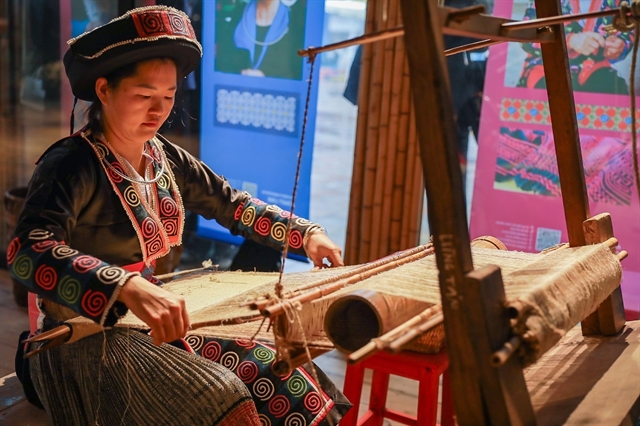
Yet the landscape is only part of what makes the commune distinctive. Vân Sơn is home to a long-established Mường ethnic community that continues to preserve its traditional architecture, customs, costumes and festivals. In Chiến, Bắc Thung, Luông Cá and Hày Dưới villages, community-based tourism is giving visitors opportunities to experience village life beyond the usual sightseeing itinerary.
Traditional Mường stilt houses, set against forested hills and green valleys, are central to Vân Sơn's appeal. More than just places to stay, they remain the heart of family life and a living expression of local identity.
As some households open their homes to visitors, the challenge is to improve facilities while preserving their traditional character. Local authorities are encouraging residents to maintain and make use of these houses for community-based tourism.
"We want to preserve traditional stilt houses and keep them part of everyday life, while creating tourism experiences that reflect the distinctive identity of the Mường people," said Nguyễn Duy Tư, secretary of the commune's Party Committee and chairman of the People's Council.
Preserving Mường culture also means passing on its language, folk songs, traditional music, customs and communal practices to younger generations. Local authorities are working to strengthen cultural performance groups and encourage elderly residents and artisans to share their knowledge with young people.
Agriculture is also becoming an important part of the visitor experience. Vân Sơn has more than 200ha of mandarin orchards, while chayote, radish and other highland crops contribute to the local economy. Ancient Shan Tuyết tea, traditional liquor and medicinal herbs add to the range of local products that visitors can discover and sample.
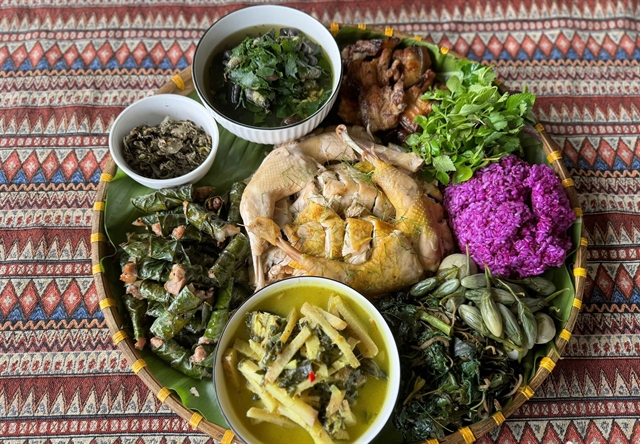
|
| A tray of traditional dishes in Vân Sơn Commune. — Photo vietnamnet.vn |
The commune also has a valuable collection of heritage trees, including 11 ancient nghiến trees (Burretiodandron hsienmu) in Bo Trẳm Hamlet. These natural landmarks reflect the ecological richness and long history of the area.
Turning these assets into a sustainable tourism industry, however, will take time. Roads, electricity and telecommunications infrastructure still need improvement, while the supply of quality accommodation and trained tourism workers remains limited.
For now, Vân Sơn retains much of the appeal of a highland destination still finding its place on the tourism map. No elaborate attractions are needed to fill a day here.
A morning watching clouds move across the mountains, an unhurried walk through a mandarin orchard or a visit to a market where neighbours greet one another warmly can be just as rewarding. — VNS
Travel
 Travel
 Travel
 Travel
 Travel
 Travel
 Travel
 Travel
 Travel
 Travel
 Travel
 Travel
 Travel
 Travel
 Travel