 Travel
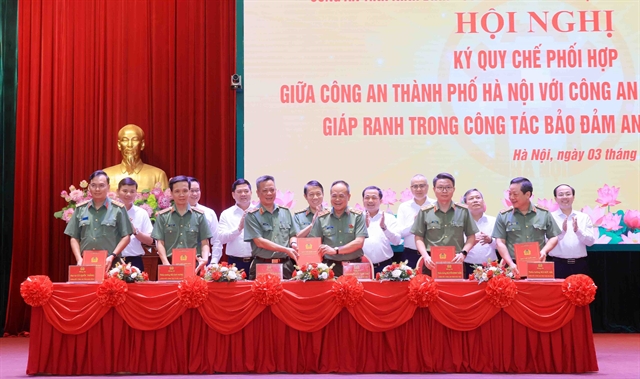
Hà Nội and five localities sign police pact against cross-provincial crime
1.
|
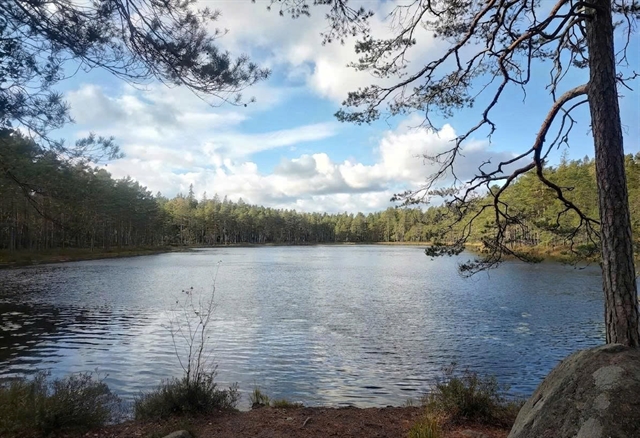
| Homes close to nature in Kirkkonummi. |
Less than an hour from Helsinki, Kirkkonummi offers something increasingly precious in modern life: room to breathe, good schools, access to nature and public services designed around everyday life. For families – including immigrants – the municipality is becoming not just a place to live, but a place to call home.
When people imagine Finland, they may picture Helsinki’s elegant streets, snowy forests, saunas or the Northern Lights. Few outside the country, however, have heard of Kirkkonummi.
Located immediately west of Helsinki, the municipality is close enough to the capital for commuting but far enough away to offer a very different rhythm of life. Forests, lakes and the Baltic Sea are part of the everyday landscape. Children can grow up surrounded by nature, while their parents remain within easy reach of the employment and cultural opportunities of the Helsinki metropolitan area.
But Kirkkonummi’s appeal is not just about beautiful surroundings. For families deciding where to settle, the more important question is what happens on an ordinary Tuesday morning. Can children walk or cycle to school? Are there places to play after school? Can parents find childcare? Are there libraries, sports facilities and cultural activities nearby? And, perhaps most importantly for someone who has arrived from another country, can this place eventually feel like home?
Kirkkonummi is trying to answer those questions through the way it develops its services and communities.
|
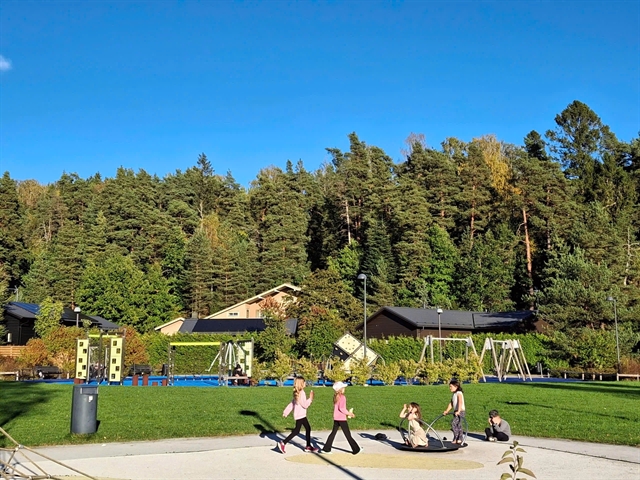
| Playgrounds can be found throughout residential areas. |
A place where everyday life has room to breathe
For Minna Mattila, a Finn who has lived in Kirkkonummi for 10 years, the municipality’s greatest strength is not any single attraction. It is the overall quality of everyday life.
She values the combination of nature, safety, services and the relatively calm pace of life. In Kirkkonummi, a working day does not have to end with a rush from one crowded urban setting to another. There is still time to take children to their hobbies, go swimming, walk in the forest or simply enjoy an evening at home.
“I don’t own a car. Kirkkonummi has everything we need close to home. Nature is everywhere – the forest starts 15 metres from our front door,” Mattila said. “The best thing is that everyday life is easy. It’s a place where neighbours can become friends and people can ask one another for help.”
That may sound ordinary, but it is one of the most valuable things a municipality can offer. Kirkkonummi’s population reached 41,766 at the end of 2025, and more than 5,700 residents speak a language other than Finnish or Swedish as their mother tongue. The municipality is becoming increasingly international, with residents from 142 language groups, including Vietnamese.
These figures help put Kirkkonummi into perspective. This is not an isolated Finnish village where everyone knows everyone else, but a growing municipality in the Helsinki region, with people arriving for work, study, family and other reasons.
Among those newcomers are families who have travelled a very long way to begin a new chapter in their lives.
|
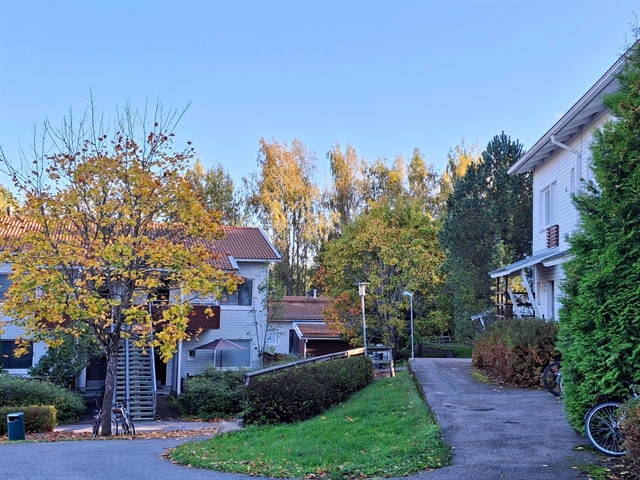
| Homes close to nature in Kirkkonummi. |
A Vietnamese family finds a home far from home
Ngô Vân Khanh arrived in Finland from Việt Nam eight years ago as a master’s student. Like many international students, she came with a relatively simple plan: study, gain experience and see where life would take her. Several years later, after building a career at Nokia, she made a much bigger decision: she brought her family to Finland and chose Kirkkonummi as their home.
Adjusting to a new society has not always been easy for the family. The Finnish language remains one of the biggest obstacles. Even for those who speak English, knowing Finnish makes many daily tasks easier, from handling official letters and understanding local services to building social connections.
Another challenge is the long, dark winter. The short daylight hours and the cold can feel very alien to someone from Việt Nam. It takes time to settle into a daily routine, maintain social relationships and adapt to the weather.
“My children were 15 and 8 years old when they first arrived. The early days were really difficult, as they didn’t speak Finnish yet and had no friends,” Khanh recalled. “Starting school in a new country also means adjusting to a different learning environment and social culture. Children need to develop a sense of belonging. Luckily, they adapted well after two years.”
The family’s finances became more stable when Khanh’s husband found a job at ABB. With both parents working, the family enjoys a reasonable standard of living and has been able to take out a bank loan to buy a home.
Yet financial stability does not automatically remove the feeling of being an outsider. Khanh and her husband sometimes feel they remain on the margins of Finnish society because they are not yet fluent in Finnish. Conversations can move quickly, and it takes effort to follow them and join in confidently.
Through integration programmes for immigrants, they have had opportunities to meet people and practise the language. Both take part in local groups and activities, including free weekly Finnish lessons at Kirkkonummi Library.
Kirkkonummi’s own integration programme recognises that immigrants come to the municipality for many different reasons, including work, study and family. The municipality provides integration services, guidance and counselling, including support for learning Finnish or Swedish and information about local services such as early childhood education and leisure activities.
Integration also has a less tangible side. In 2025 and 2026, the municipality has organised “At Home in Kirkkonummi” discussions for residents who speak foreign languages, including dedicated events for English speakers. The meetings address integration, inclusion, safety and relations between different population groups.
The name of the series says something important. The goal is not simply to help newcomers live in Kirkkonummi, but to help them feel at home.
|
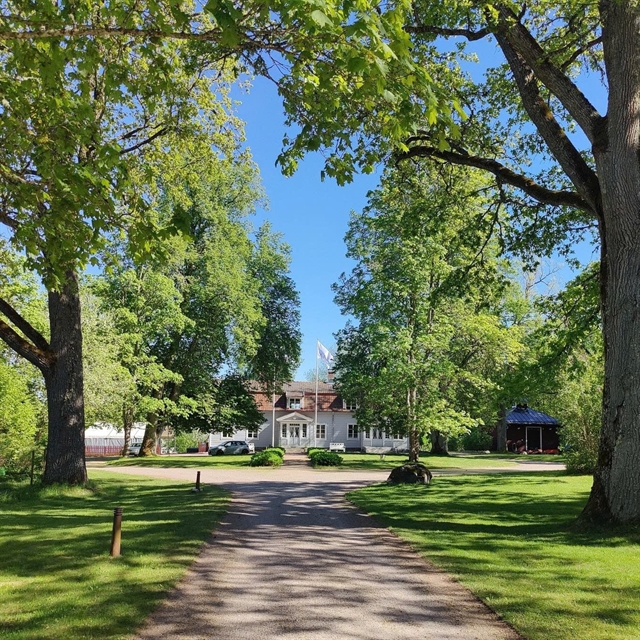
| Homes close to nature in Kirkkonummi. |
Creating connections through everyday activities
Language classes are important, but integration also happens in less formal settings: while walking in the forest, visiting a museum, sharing a meal or simply talking over a cup of coffee.
In Kirkkonummi, Ani Blomqvist works with Luckan, a prominent Finland-Swedish information and cultural centre. She leads weekly gatherings for immigrant women, helping participants connect with one another and become more familiar with local life.
The programme includes a variety of shared activities. Participants may go mushroom picking, visit museums, take part in yoga sessions designed to support well-being and help prevent depression, or introduce one another to the traditions and cultures of their home countries. Khanh has also hosted a session introducing the group to Việt Nam’s famous spring rolls.
“Our goal is to help international women integrate into society by finding meaningful groups and organisations where they can take up new hobbies or continue familiar ones alongside Finns. We also want people from different cultures to make friends with one another and with Finnish people,” Blomqvist said. “I get a lot out of it. I meet wonderful people from so many countries and cultures, who teach me a lot about how things work in their cultures.”
Building a future, not just adding buildings
|
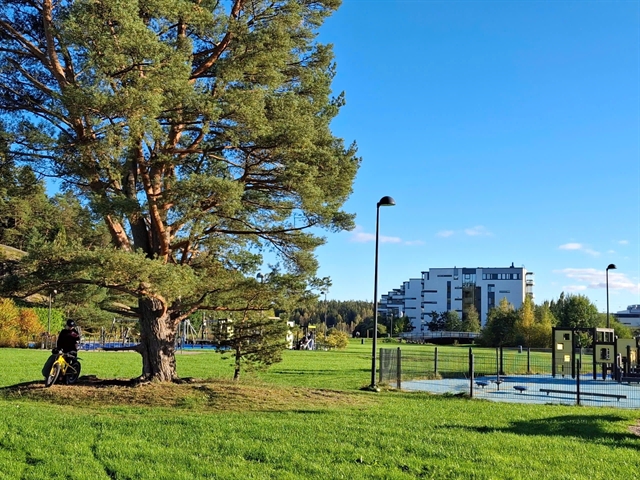
| Homes close to nature in Kirkkonummi. |
What can a municipality offer a child? Kirkkonummi provides schools, early childhood education, libraries, sports facilities and a wide range of leisure opportunities. Children and young people can take part in hobbies, holiday activities and programmes designed to make leisure accessible to families in different circumstances.
The public library is another part of this ecosystem. In Finland, libraries are not just places to borrow books, but public spaces for learning, meeting and spending time. Cultural services, music education, visual arts and adult education also form part of the municipality’s wider network of opportunities.
This is becoming even more visible through a major new project in the centre of Kirkkonummi. The Lyyra education and culture centre (Sivistyksen talo Lyyra), scheduled to open in January 2027, will bring together two upper secondary schools, the music institute, the visual arts school and the adult education centre. The bilingual campus will serve about 800 upper secondary students and is designed to become a meeting place for the wider community as well. A multi-purpose hall will host concerts and theatre performances, while the neighbouring Fyyri library forms part of the same cultural environment.
For a family, this means that education does not have to stop at the school gate. A child interested in music can study it. Another may discover visual arts. A parent can attend an adult education course. A family can go to a concert or cultural event.
In Masala, meanwhile, the new Nissniku multi-purpose building is under construction and is expected to be completed in 2028. The project is intended to bring new educational and community facilities to one of Kirkkonummi’s growing areas. These are substantial investments, but their importance can be understood through something much smaller: a child’s daily life.
Kirkkonummi is growing, and growth inevitably brings challenges. More residents mean greater demand for schools, childcare, transport, housing and public spaces. The municipality therefore faces the difficult task of developing new infrastructure without losing the natural environment and sense of community that make the area attractive in the first place. Its current investment programme suggests that it aims to do both.
Why Finland appeals to Vietnamese families Finland attracts international students, skilled workers and families seeking a different future. Its reputation for safety, its publicly funded comprehensive education system, opportunities for further study and the prospect of a stable career may be particularly appealing to Vietnamese people considering a move. For parents, education is often a deciding factor. In Finland, children from all backgrounds attend the same publicly funded comprehensive schools. Growing up in a relatively safe environment with access to education and outdoor activities can be attractive to families. But it is important to recognise that there are different paths to Finland. Some Vietnamese come directly to work, some join family members already living in the country, and others come to study before looking for jobs. Each route comes with different requirements, costs and expectations. Studying in Finland is not always free: students from outside the EU and EEA may have to pay tuition fees for English-taught degree programmes. |
Travel
 Travel
 Travel
 Travel
 Travel
 Travel
 Travel
 Travel
 Travel
 Travel
 Travel
 Travel
 Travel
 Travel
 Travel