 Society
Việt Nam, Finland seek stronger cooperation in transport infrastructure, smart city building
1.
|
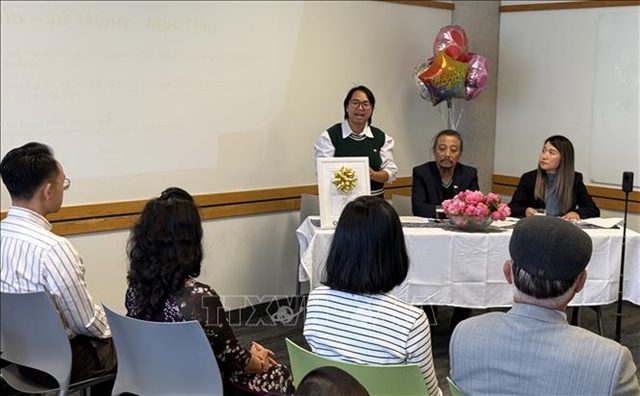
| Delegates attend the launch of the Global Vietnamese Network in Canada. — VNA/VNS Photo Hà Linh |
OTTAWA — Efforts to strengthen links among Vietnamese associations and mobilise the resources of Vietnamese intellectuals, entrepreneurs and younger generations in Canada are gaining momentum under Politburo Resolution No. 23-NQ/TW dated August 2, 2026, on overseas Vietnamese (OV) affairs.
As part of these efforts, the recent launch of the Global Vietnamese Network (GVN) aims to create a platform for cooperation and resource sharing, preserve national cultural identity, and promote the OV community’s role as a bridge in Việt Nam–Canada relations.
The GVN was initiated by three organisations: the Canada–Vietnam Culinary Culture Association, the Canada–Vietnam Cultural & Educational Council, and the Canada–Vietnam Culture, Tourism and Arts Association, with a view to combining their respective strengths and enhancing coordination in community activities. It is expected to facilitate experience and resource sharing and joint initiatives on a voluntary and equal basis, while respecting each member’s distinctive strengths.
The network’s objectives align with Resolution No. 23, which calls for a sustainable global ecosystem connecting Vietnamese experts, intellectuals, scientists, entrepreneurs, artists, and younger generations around the world. The resolution also highlights the role of OVs in preserving the Vietnamese language and cultural identity, strengthening ties with their homeland and contributing to national development.
Engaging younger generations is a key priority for the network. Through educational programmes, volunteer activities, cultural exchanges and intergenerational engagement, it will help young people of Vietnamese origin better understand their roots, proote their creativity and take on active roles in community initiatives.
Phan Thị Quỳnh Trang, representing the Canada–Vietnam Cultural & Educational Council, emphasised that young people shouldn’t just be invited to attend events but should also have chances to share ideas and take part in planning and organising activities.
Assigning them roles suited to their abilities and interests will encourage active participation and help maintain their connection with Vietnamese culture and heritage in Canada’s multicultural environment, she added.
Alongside cultural activities, the GVN aims to connect OV intellectuals, experts and entrepreneurs to develop cooperation initiatives that address practical needs. Such links could help unlock the community’s potential both in Canada and in contributing knowledge and experience to Việt Nam.
As Việt Nam and Canada have recently upgraded their relations to a Strategic Partnership, the GVN is expected to provide a further channel for community engagement. Through practical initiatives in culture, education and exchanges, it is expected to help strengthen solidarity, mutual understanding and people-to-people ties, contributing to friendship and cooperation between the two countries. — VNA/VNS
Society
 Society
 Society
 Society
 Society
 Society
 Society
 Society
 Society
 Society
 Society
 Society
 Society
 Society
 Society