 Society
2026 Swiss-Viet Economic Forum ties poised for growth as EFTA trade deal opens new opportunities
1.
|
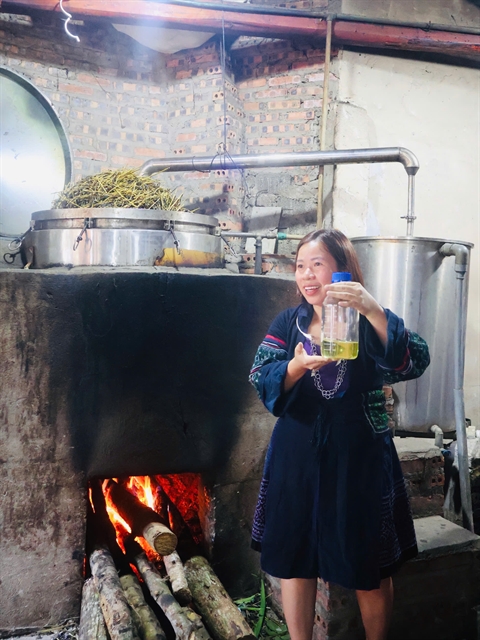
| Trần Anh Xuân introduces a product made from perilla. — VNS Photo Thu Trang |
Thu Trang
LÀO CAI — With more than 30 hectares of perilla and 20 diverse products, Trần Anh Xuân has taken the lead in turning the indigenous perilla plant into a crop to help people escape poverty in Lào Cai Province.
The 36-year-old woman from the Red Dao ethnic group established the Xuân Perilla cooperative in 2018. In 2024, she was trained in management and operational skills, and from then on continued to expand the business.
“Perilla is grown entirely according to organic methods. After harvest, perilla is extracted to obtain essential oil, and to produce balm, tea, powder and other products,” Xuân said.
Aside from raising awareness of the plant's value, Xuân has also created jobs for 10 full-time workers with a stable income of VNĐ10 million (US$380) per month and about 50 to 100 seasonal workers.
The Xuân Perilla brand has gradually become familiar to every resident in Sả Xéng Village, Tả Phìn Commune.
|
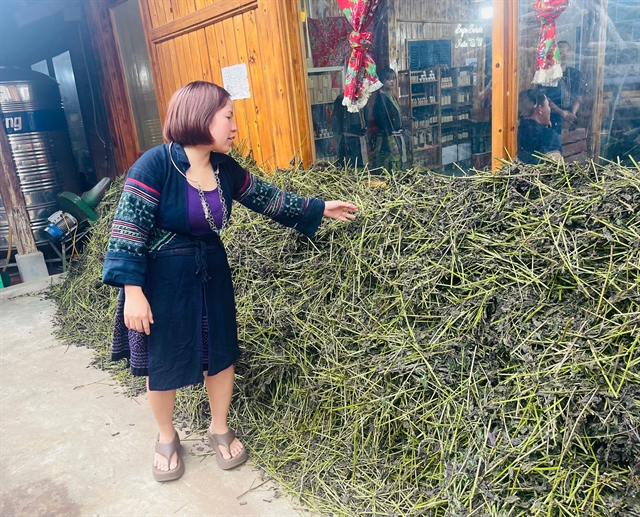
| Trần Anh Xuân checks her raw materials. — VNS Photo Thu Trang |
Another impressive economic model in the locality is the bamboo-tube rice made by 38-year-old Giàng Thị Dự from Ún Tà Village, Cốc San Commune.
Giàng Dự bamboo-tube rice earned OCOP (one commune, one product) recognition last year.
It is produced using local ingredients by the people of Cốc San Commune, many of whom are from the Giáy ethnic group.
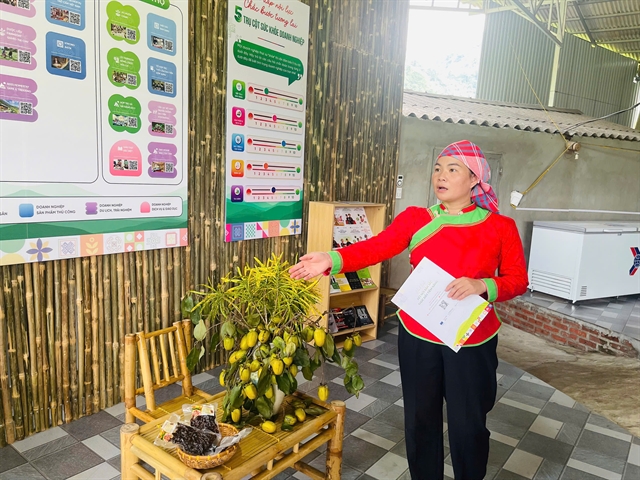
|
| Giàng Thị Dự speaks about her economic model. — VNS Photo Thu Trang |
The product aims to provide consumers with high-quality food while promoting the traditional values of the Giáy people, helping preserve the culinary heritage of the highlands and indigenous knowledge.
“The traditional sticky rice is grown by Cốc San people organically, with no pesticide residue. The bamboo tubes used to cook the rice are selected from high-altitude mountains with a cool climate all year round. The colour of the rice is created from natural flowers, leaves and fruits, creating a clean product, expressing the culinary quintessence of the Giáy people,” Dự said.
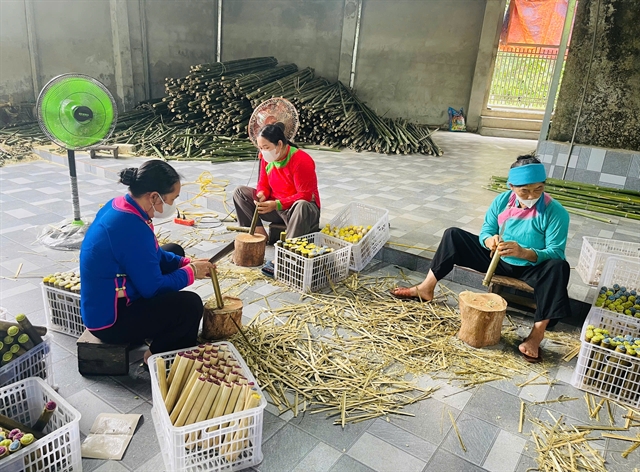
|
| Dự’s business creates stable jobs for a number of local women. — VNS Photo Thu Trang |
Giàng Thị Phượng, a member of the cooperative, said that the lives of her family members and other village residents have improved since she joined.
“Our incomes are higher compared to the past, when we only grew rice and other vegetables,” she said.
Xuân and Dự are two of the beneficiaries of a project to promote the careers and business development of youth and women in Lào Cai and Phú Thọ provinces. The initiative aims to strengthen livelihood development for ethnic youth and women with access to economic resources and capacity building.
The project is run by the former Aide et Action (AEA), a France-based association now called Action Education, in collaboration with the Lào Cai Provincial Women’s Union and its partners.
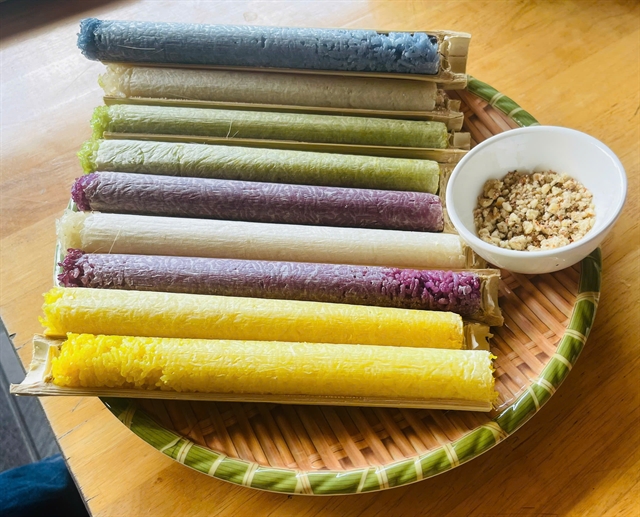
|
| The bamboo-tube rice is made from traditional sticky rice grown organically by Cốc San people. — VNS Photo Thu Trang |
Achievements and challenges
Running since March 2023 and ending next month, the project focuses on three main intervention areas: supporting start-ups and livelihood development; career orientation and job links; and vocational training and skills development, with gender equality as a major theme.
After more than three years of implementation, the programme has supported more than 28,400 people, including women, youth, workers, students and local officials.
Member of the Lào Cai Party Executive Committee, deputy chairwoman of the provincial Fatherland Front Committee and chairwoman of the provincial Women’s Union Đinh Minh Hà said: “The biggest change that the project has brought is the value of connecting resources for career development, livelihoods and start-ups, especially for women, youth and students in ethnic communities.”
Under the project, the province has received close direction from party committees and authorities, practical resources from the AEA and fierce support from the women themselves, especially younger women, Hà said.
More than 200 people (90 per cent women) have been trained, advised and supported in developing businesses.
The project has also helped more than 3,000 workers find positions, including many who returned after moving outside the province for work, through jobs fairs and employment counselling activities.
More than 100 vocational training scholarships have also been provided to workers in difficult circumstances.
AEA programme manager Nguyễn Đức Thành confirmed that the project focuses on specific cases.
“The models promote business start-ups led by women, especially ethnic women. The products mostly use materials from nature and from the locality, moving towards the trend of green and sustainable development,” Thành said.
In particular, eligible businesses often create jobs for many local workers, helping develop a sustainable economy in the area.
“Programme participants are very enthusiastic, ready to share knowledge and experience with those who have the desire to start businesses. We want to turn this place into a start-up station so that later, young people and women in the locality and in Lào Cai Province can benefit,” Thành said.
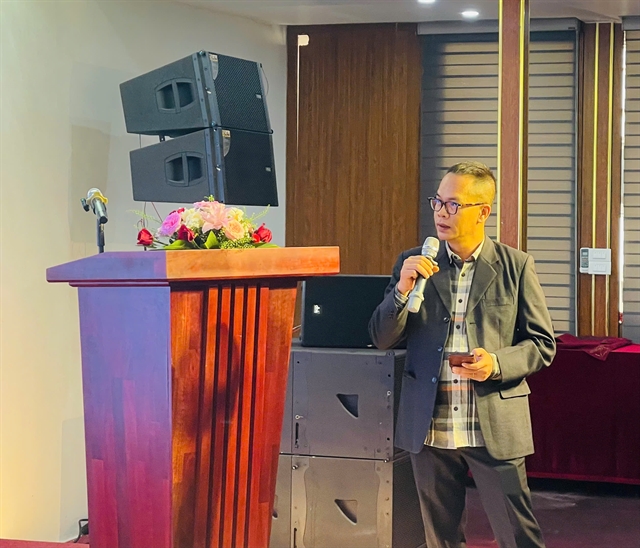
|
| AEA programme manager Nguyễn Đức Thành speaks about the project results. — VNS Photo Thu Trang |
Trịnh Thị Quang Thái, project officer in charge of the French Development Agency (AFD)'s cooperation with non-governmental organisations in Việt Nam, said that AFD had supported the project from the very first, and also supervised its activities.
“We have seen that the initiative's activities are all good and effective in supporting women to develop the economy,” she said.
But the project also encountered some difficulties.
Thái said that some unexpected occurrences, such as natural disasters, caused some activities to be delayed a bit.
Hà said that the management capacity, use of technology and market access for some women remained limited initially.
In some areas the scale of production is still small, scattered and uncoordinated.
“The union has focused on providing support, organising training classes and building networks to improve business capacity and help women entrepreneurs connect with experts and successful businesspeople to share experiences and find solutions to their problems,” Hà said.
Way ahead
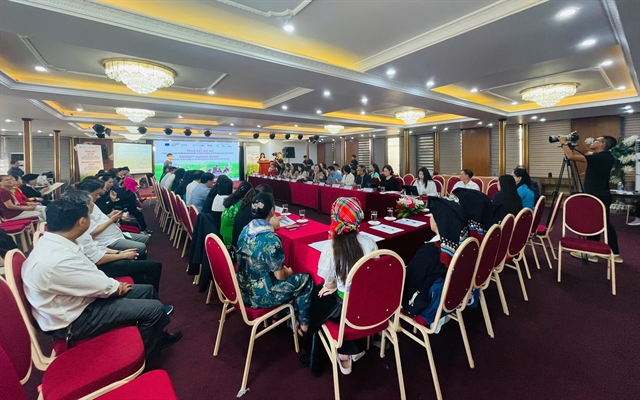
|
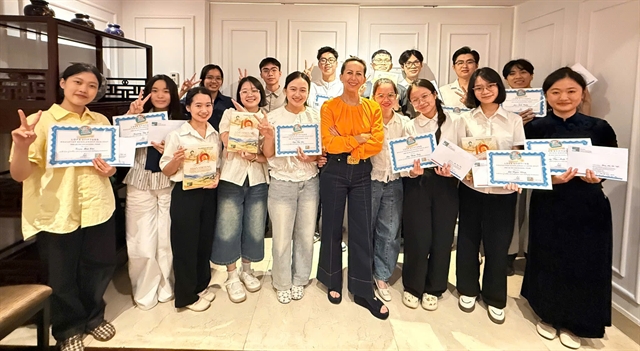
| Delegates attend the closing ceremony of the 'Promoting career and business development for youth and women of Lào Cai and Phú Thọ provinces' project. — VNS Photo Thu Trang |
Gonzalo Serrano De La Rosa, deputy head of cooperation in the EU delegation to Việt Nam, said: “I am very pleased to see the positive impacts that the project has achieved, especially for women and youth. The project has expanded access to skills, employment and livelihoods.”
The results achieved are in line with the EU's cooperation goals with Việt Nam, as well as priorities on inclusive development, skills development, responsible entrepreneurship and gender equality.
“We highly appreciate the capacity, commitment and persistent efforts of the partners, and we trust that the results achieved will continue to be maintained and promoted after the project ends,” he said.
Thành confirmed that AEA would connect businesses with a local advisory team so that later, when the women face difficulties, they can contact the team for support.
“We are moving towards green transition, circular production, saving energy and creating conditions for women to develop more sustainably,” Thành said.
AEA Việt Nam Country Director Nguyễn Thị Tú said that the results achieved were an important foundation for ethnic women and youth in Lào Cai and Phú Thọ to continue expanding career opportunities, developing livelihoods and upholding their role in the community.
“AEA Việt Nam will continue to work with these women and connect them to resources so that the lessons from the project are maintained and scaled up in the future,” she said.
Hà agreed, saying that to maintain and scale up the models, the provincial union will continue to support existing models to improve product quality and expand sustainable consumption channels.
The locality won't just focus on training and capital for the start-ups, she said. It will also help provide market information, legal counselling and ways to promote trade and use technology, as well as encourage women to link their businesses to value chains to build sustainable and long-term operations.
“In the near future, we will try to promote this foundation along with resources to build a sustainable ecosystem based on trust, sharing common values in improving economic capacity and the role of women and youth in the locality,” she said. — VNS
Society
 Society
 Society
 Society
 Society
 Society
 Society
 Society
 Society
 Society
 Society
 Society
 Society
 Society
 Society