 Society

HKSTP Partners with Leading Science and Technology Company Merck to Open a New Chapter in I&T Collaboration
1.
|
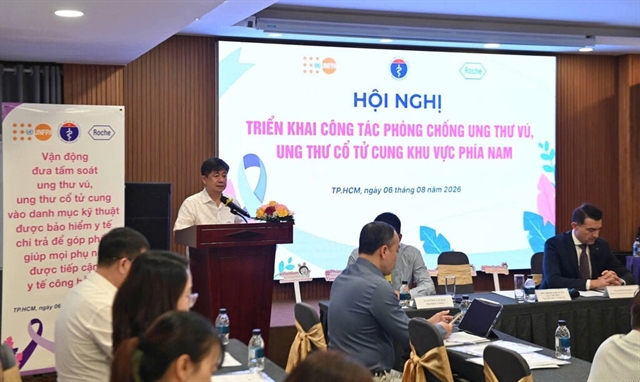
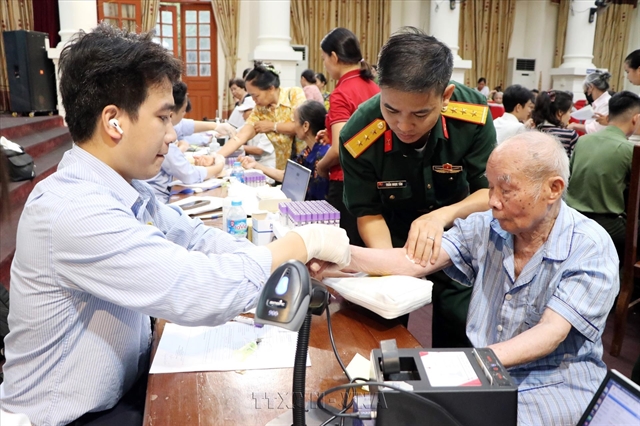
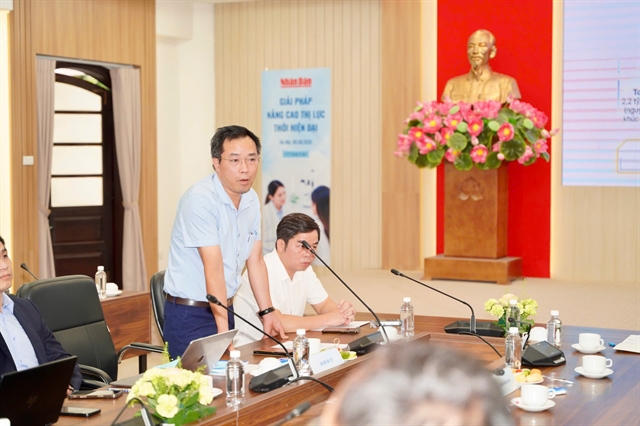
| Delegates attend the conference on breast and cervical cancer prevention in HCM City on August 6. — VNA/VNS Photos |
HCM CITY — Strengthening screening efforts and expanding vaccination are key to reducing the heavy burden of breast and cervical cancer among Vietnamese women, experts heard at a conference in HCM City on August 6.
The conference, organised by the Department of Maternal and Child Health under the Ministry of Health, brought together health officials and specialists from southern provinces to implement the national action plan, update clinical guidelines, and share local best practices.
Breast cancer remains the most prevalent cancer among Vietnamese women, while cervical cancer ranks eighth. Việt Nam registers approximately 24,563 new cases of breast cancer and around 10,000 related deaths each year.
More than 60 per cent of patients are diagnosed at advanced stages (III and IV), leading to a five-year survival rate of roughly 74 per cent—significantly lower than figures in developed nations.
Experts attributed this gap to the absence of a unified national screening programme, alongside low uptake of routine health checks and pronounced disparities between urban and rural populations.
The situation regarding cervical cancer is equally pressing, they said. Between 2020 and 2024, annual new cases rose from 2,869 to 3,895, while deaths surged from 219 to 905.
Nationwide, only 28.2 per cent of women aged 30 to 49 have ever been screened for cervical cancer.
Significant disparities exist between urban and rural areas. Screening rates exceed 30 per cent in major cities like Hà Nội and HCM City, but this figure drops sharply to 15.3 per cent in the northern mountainous regions.
There are also stark divides among ethnic groups. While 30.8 per cent of Kinh women have undergone screening, the rate plummets to 9.9 per cent among the Khmer ethnic people, and just 0.9 per cent among the Mông ethnic people.
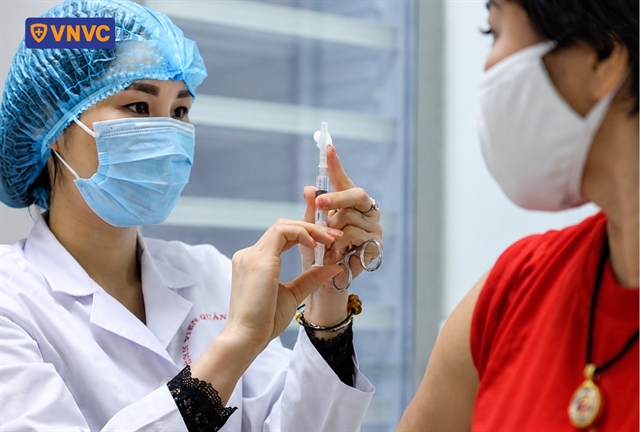
In addition, a major gap remains in prevention efforts. Only about 12 per cent of young women and girls aged 15 to 29 have received the Human Papillomavirus (HPV) vaccine.
|
| The inclusion of pneumococcal and HPV vaccines in the expanded programme on immunisation will offer early protection and ensure fairer, more comprehensive access to vaccines for children. — VNA/VNS Photos |
National targets
The National Action Plan for Breast and Cervical Cancer Prevention (2026-35) aims to reduce the breast cancer mortality rate by an average of 2.5 per cent annually.
It also seeks to lower cervical cancer incidence to fewer than 4 cases per 100,000 women and mortality to under 1 per 100,000, aligning with global efforts to eliminate the disease.
Starting in 2026, the national plan aims to achieve several key health targets.
First, health authorities plan to fully vaccinate 90 per cent of girls aged 9 to 15 against HPV through the Expanded Programme on Immunisation.
For early detection, the target is for 70 per cent of women aged 40 to 70 to undergo routine breast cancer screening. Similarly, 70 per cent of women aged 30 to 49 should receive cervical cancer tests using high-performance screening methods.
Finally, 100 per cent of provinces and cities are required to draft their own action plans and gradually include these screening services under health insurance coverage.
To achieve these goals, the Ministry of Health outlined strategic solutions, including expanding research to inform policy, launching public awareness campaigns, strengthening inter-agency coordination, and standardising professional training across all healthcare levels.
The ministry also plans to promote telemedicine for consultation, diagnosis, and long-term care management.
Sharing insights from a pilot HPV-DNA screening project in Hải Phòng City, Dr Nguyễn Phúc Thiện said Phase I revealed a high-risk HPV infection rate of 8.11 per cent.
To overcome financial barriers, Hải Phòng developed a flexible co-payment model.
The local budget covers 50 to 100 per cent of costs depending on the beneficiary group—offering free testing for poor households and policy beneficiaries, alongside partial subsidies for others.
Estimates suggest that if scaled nationally, this model could prevent 1,327 new cases and 717 deaths from cervical cancer over the next decade.
Concluding the conference, delegates urged the Ministry of Health to swiftly establish standard economic-technical norms and price frameworks for screening services.
This legal foundation will allow localities to rollout programmes effectively while robust communication campaigns work to dismantle cultural stigmas and encourage regular health check-ups. — VNS
Society
 Society
 Society
 Society
 Society
 Society
 Society
 Society
 Society
 Society
 Society
 Society
 Society
 Society
 Society