 Society
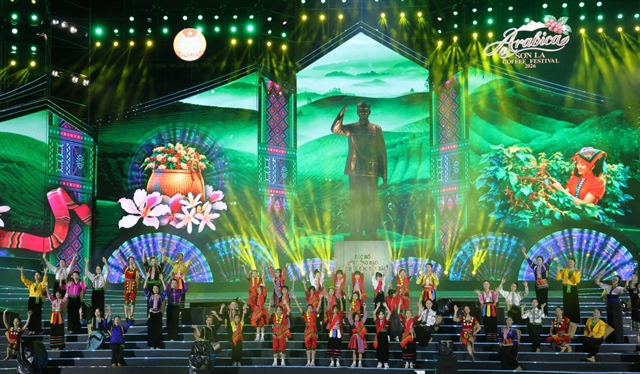
Sơn La holds second coffee festival, targeting stronger businesses in future
1.
|
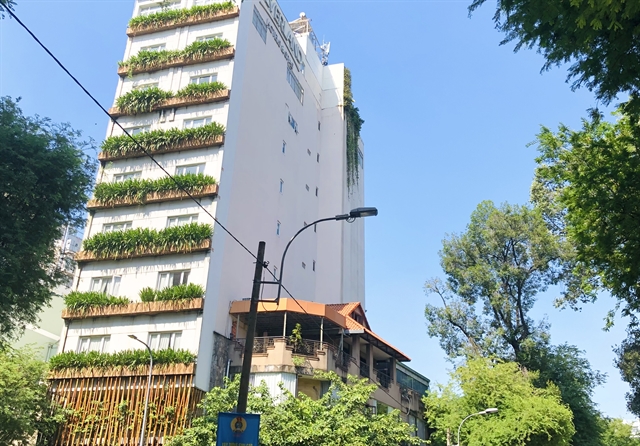
| A modern and eco-friendly high-rise building in HCM City. The city is stepping up its climate action by promoting low-carbon materials and sustainable urban development. — VNS Photo Nguyễn Diệp |
HCM CITY — HCM City has unveiled a long-term action plan aimed at enhancing resilience to climate change through upgraded drainage infrastructure, sustainable forest management, and green urban planning.
The strategy also seeks to accelerate emissions reduction in key economic sectors by encouraging manufacturers and developers to adopt cleaner technologies, particularly eco-friendly building materials.
The action plan on climate change adaptation through 2030 was recently signed by Vice Chairman of the municipal People’s Committee Bùi Minh Thạnh.
Taking effect on July 17, it supersedes previous action plans issued in 2021 and 2022.
Under it, the southern economic hub aims to strengthen its adaptive capacity against extreme weather phenomena, including severe heatwaves, prolonged droughts, heavy rainfall, urban flooding, and rise in sea levels.
It also sets targets to safeguard biodiversity, ensure food security, and improve people’s livelihoods.
By integrating climate adaptation and mitigation measures into its socio-economic development strategies, the city aims to foster a low-carbon economy that aligns with Việt Nam’s national commitments to carbon neutrality.
In construction and urban planning, city authorities will assess climate impacts on newly designated development zones, roll out climate-resilient smart city models, and upgrade existing drainage networks to combat flooding.
The city will refine its regulatory framework and incentive mechanisms to encourage construction material manufacturers and real estate developers to invest in technological upgrades that minimise greenhouse gas emissions.
Beyond urban infrastructure, the plan outlines sector-specific tasks.
In the agricultural and environmental sectors, it envisages restoring forests, protecting natural resources, enhancing disaster forecasting capabilities, and deploying eco-friendly technologies in wastewater and solid waste treatment.
HCM City wants the industrial sector to transition to clean energy, promote energy efficiency, develop renewable sources, and reduce emissions.
It seeks to upgrade flood-prone roads to create resilient transport infrastructure and increase the use of clean-energy public vehicles.
Developing eco-tourism, protecting historical monuments, greening primary healthcare facilities, and encouraging waste sorting at source are other goals.
To ensure seamless execution, the city has stressed the importance of refining policies, upskilling public administrators, building a comprehensive database on climate and natural resources, and fostering scientific research.
The city is soliciting funding, technology, and technical expertise from businesses, political and social organisations, and international partners.
HCM City's Department of Agriculture and Environment has been tasked with leading, monitoring, and inspecting implementation of the plan.
The Department of Finance will advise the administration on allocating funds to key environmental and climate adaptation projects. — VNS
Society
 Society
 Society
 Society
 Society
 Society
 Society
 Society
 Society
 Society
 Society
 Society
 Society
 Society
 Society