 Society

Quy Nhơn Dialogue on Climate and Transition to provide platform for open discussion
1.
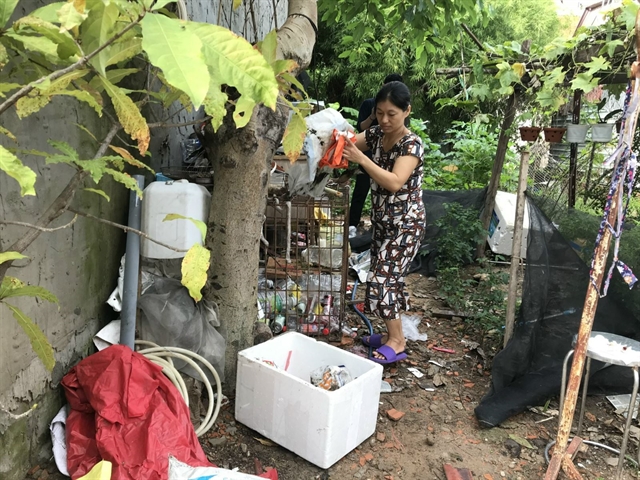 |
| A resident in HCM City clean her garden to avoid mosquito. HCM City is taking measures to protect its residents from dengue fever. — VNA/VNS Photo |
HCM CITY — HCM City is taking measures to protect its residents from dengue fever by implementing a "dual shield" model as the new season approaches, the HCM City Centre for Disease Control (HCDC) said.
This approach involves a collaboration between HCDC with partners to combine external mosquito control and larval elimination with proactive internal protection through vaccination.
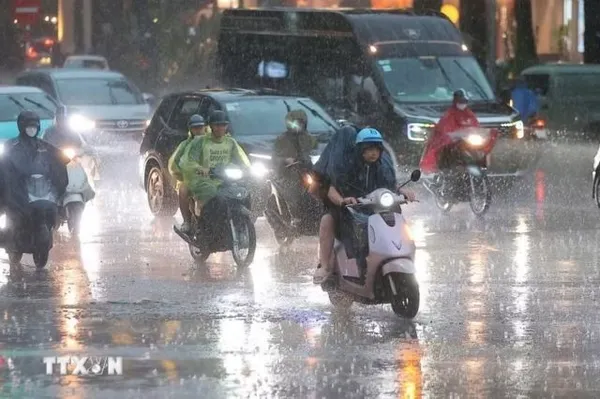
With the rainy season beginning, cases of dengue are projected to increase and evolve unpredictably in the coming months.
Following seasonal patterns in HCMC, cases typically rise rapidly from mid-June onwards compared to the rest of the year.
Alarmingly, there has been an early uptick in dengue cases in 2026.
Recent data compiled by HCDC shows a significant increase in cases, with 17,718 cases recorded from the beginning of the year until May 31, 2026, marking a 64.6 per cent increase compared to the same period in 2025.
According to MSc. Dr. Lê Hồng Nga, deputy director of HCDC, new cases are being reported daily across all 168 wards of HCM City.
More than half of these cases occur in adults, with particularly high infection rates among those aged 11-15 and 16-30.
These figures highlight that dengue has become a widespread public health concern affecting diverse demographic groups, not just young children. Special caution is advised for elderly people, pregnant women, and individuals with underlying health conditions such as heart disease or obesity, as they face a significantly higher risk of developing severe complications, she said.
At a recent health talk show entitled “Dengue Fever: Know the Risks, Reduce The Burden – Protect Your Family Through Proactive Prevention” organised by HCDC in partnership with Takeda Vietnam Pharmaceuticals Ltd, doctors highlighted the global increase in dengue fever cases, emphasising that the disease is not only limited to tropical countries.
 |
| MSc. Dr. Lê Hồng Nga (middle), deputy director of HCDC, and Professor Phạm Văn Quang (right), head of the Intensive Care and Anti-Poison Department of Children's Hospital 1, share information about dengue fever at a health talk in HCM City. — Photo of event organiser |
Experts warned that factors such as high population density, rapid urbanisation, and climate change have created favourable conditions for dengue vectors to thrive, leading to sustained transmission cycles within communities.
Considering these risks, proactive self-protection is crucial.
Doctor Nga emphasised that proactive prevention involves identifying and addressing everyday household transmission risks.
Contrary to common misconceptions, Aedes aegypti mosquitoes, the vectors of dengue fever, do not solely breed in dirty water but also in clean water containers inside homes.
Common breeding sites include flower vases, plant saucers, refrigerator water trays, and other small containers often overlooked, posing a risk of dengue transmission within households.
Furthermore, it is essential to be prepared and informed.
Professor Phạm Văn Quang, head of the Intensive Care and Anti-Poison Department of Children's Hospital 1, stressed the importance of recognising early warning signs of dengue fever and dispelling common myths that could delay proper medical intervention.
Furthermore, a dangerous and widespread myth is that falling temperatures indicate recovery. However, with dengue fever, the period when the fever subsides – typically occurring from the third day to the seventh day of the illness – stands as the most critical window of the infection.
This is when patients may suddenly take a turn for the worse, facing life-threatening complications like Dengue Shock Syndrome (DSS), severe hemorrhagic manifestations, or multi-organ failure involving the heart, liver, and brain, potentially leading to death, Quang said.
Seeking medical attention promptly upon experiencing warning signs such as persistent high fever, severe abdominal pain, vomiting, and bleeding gums is crucial to prevent severe complications associated with dengue fever, he advised. — VNS
To proactively prevent and control dengue fever ahead of the upcoming epidemic season, the HCM City Department of Health has released plan No. 6922/KH-SYT for the execution of the 16th ASEAN Dengue Day campaign in 2026 within the city. This initiative aims to enhance awareness around the dengue fever situation, helping the public identify symptoms and warning signs of the disease./p>
In high-risk outbreak areas, local health stations will collaborate with authorities to evaluate and prioritise monitoring levels, creating tailored inspection and treatment strategies for each at-risk group. The city's objective is to oversee and manage all identified high-risk areas in May and June 2026.
For areas not included in the risk assessment, such as residential neighbourhoods, institutions, and factories, individuals and management entities must actively adopt dengue prevention measures at home and in the workplace. Properly sealing household water containers, replacing water regularly, introducing guppy fish to control mosquito larvae, and covering or eliminating unused containers are essential steps.
It is important to highlight that the city will impose increased administrative penalties in accordance with Decree No. 90/2026/NĐ-CP on organisations and individuals who allow mosquito breeding in residences, production facilities, or businesses despite repeated warnings and monitoring efforts. The city's target is to achieve a reduction of over 90 per cent in mosquito larvae indices because of these comprehensive measures. — VNS Society
 Society
 Society
 Society
 Society
 Society
 Society
 Society
 Society
 Society
 Society
 Society
 Society
 Society
 Society