 Society

Sơn La holds second coffee festival, targeting stronger businesses in future
1.
|
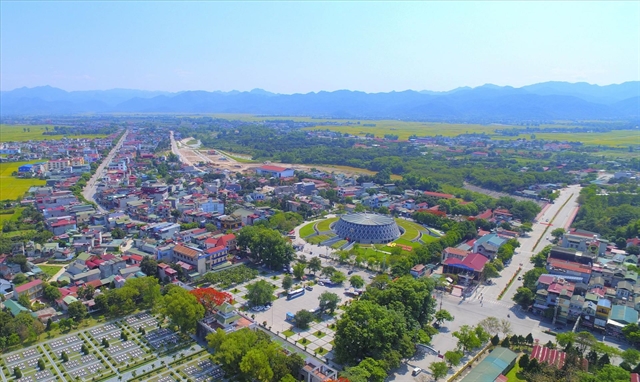
| A corner of Điện Biên Phủ city seen from above. — VNA/VNS Photos Xuân Tư |
ĐIỆN BIÊN — Seventy-two years after the decisive Điện Biên Phủ victory, this historic locality is undergoing a striking transformation, with rising economic growth, upgraded infrastructure and a flourishing tourism sector laying a solid foundation for sustainable development.
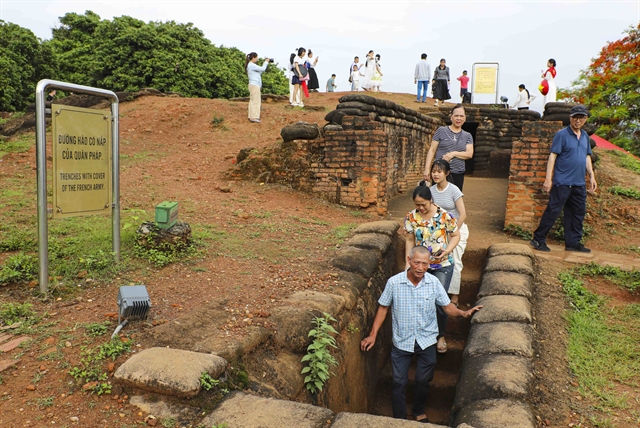
In May, the streets of Điện Biên Province blaze with flags and flowers. Major battlefield sites such as Hill A1, the De Castries Tunnel, the Điện Biên Phủ Campaign Headquarters and the Victory Museum draw domestic and international visitors eager to learn about the history. These memorial spaces do more than recall a heroic era, they serve as red addresses for patriotic education and a source of national pride.
Provincial authorities have organised exhibitions of paintings and photographs and displayed documents, artefacts and books about General Võ Nguyên Giáp and the campaign at museums and heritage sites. Community cultural activities, including street performances, film screenings and mobile propaganda teams, have been staged to create an engaging atmosphere that attracts residents and tourists alike.
“I used to know Điện Biên only from books as a fierce battleground,” said Nguyễn Thị Thu Hà, a visitor from Hà Nội. “But arriving here, I felt the change with well-kept streets, a lively daily life and warm hospitality. Visiting the Victory Museum and sites like De Castries Tunnel, the campaign headquarters and Hill A1 stirred patriotic feelings when I heard the guides’ stories and saw the artefacts.
People here are eager to share the history of their ancestors’ struggle for independence. The trip made me love Việt Nam more and feel proud to be Vietnamese.”
From April 25 to May 3, Điện Biên welcomed about 75,200 visitors, a 1.25-fold increase over the same period in 2025. Tourism revenue for the period reached VNĐ122 billion (US$4.63 million).
Acting Director of the Provincial Department of Culture, Sports and Tourism Trần Hải Hà said the sector proactively rolled out coordinated cultural, sports and tourism activities during the holiday, notably museum and heritage exhibitions that helped amplify the historical value of the Điện Biên Phủ victory.
After restoration and renovation, the Him Lam Defensive Centre, an important site within the national special relic complex of the Điện Biên Phủ battlefield, also reopened to visitors on April 28.
In 2025, the province received over 1.4 million tourists, significantly contributing to local economic growth.
|
| Visitors explore the Hill A1 historic site. |
The 2026 tourism target is over 1.6 million visitors, including more than 10,000 international arrivals, expected tourism revenue is about VNĐ2.88 trillion, with an average stay of roughly three days.
To reach these goals, authorities plan to develop signature tourism products, improve service quality, promote new routes and attractions and gradually make tourism a key economic sector for the province.
Transformation on a heroic land
From the bloody battleground that produced a world-shaking victory, today’s Điện Biên is visibly changing, its urban and rural life animated by synchronous development.
In urban centres, infrastructure has been modernised and beautified. Streets are more orderly and commercial spaces are expanding, boosting trade and services.
“Điện Biên is changing day by day,” said resident Trần Văn Phiến of Điện Biên Phủ Ward. “Many roads have been widened and upgraded, schools and health care facilities are improved and more comfortable. Commerce and services are developing, making daily life and access to services easier for people.”
In rural highland and remote villages, investments in electricity, roads, schools and health care stations have upgraded living conditions and created foundations for production development. Notably, boarding schools across border areas are receiving attention to raise education quality for students in frontier communities.
For veterans who experienced the war here, today’s changes are both development and deep emotion.
Veteran Nguyễn Công Nuôi of Mường Ảng Commune said: “Infrastructure is much better. People’s lives are gradually improving and children attend the schools they once only dreamed of. That warms the hearts of those who fought at Điện Biên Phủ.”
In 2025, the province’s GRDP grew about 7.34 per cent, industrial production rose over 10 per cent and state budget revenue increased nearly 32 per cent year on year. Sustainable poverty reduction recorded notable results.
The multi-dimensional poverty rate fell to around 17.66 per cent, an average annual decline of nearly 4 per cent. Tens of thousands of households received support for housing, livelihoods and preferential credit, enabling them to stabilise and escape poverty.
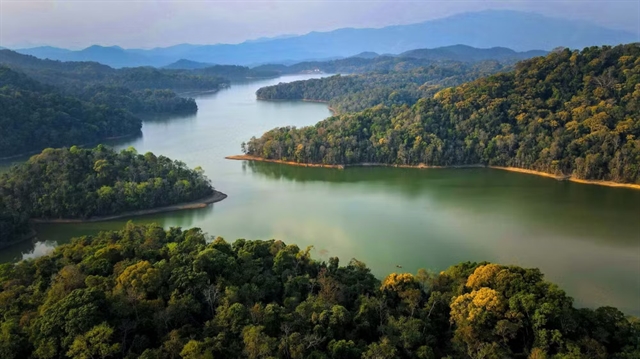
|
| Pá Khoang Lake with dozens of islands. |
More than 96 per cent of households use the national power grid and over 92 per cent of rural residents have access to hygienic water. Key projects such as Điện Biên Airport and regional transport links are progressively easing bottlenecks, expanding development space and attracting investment.
Harnessing history for sustainability
The provincial Party Congress resolution for the 2025–2030 term sets a vision for Điện Biên to develop as a green, smart and sustainable economy and become a relatively well-off province in the region. The province targets annual growth of 10–11 per cent and a per capita GRDP of VNĐ115 million ($4,400) by 2030.
Secretary of the Điện Biên Provincial Party Committee Trần Tiến Dũng said the province has identified three breakthroughs to reach these goals.
First is completing policies and improving competitiveness to attract social resources. Administrative reform has been accelerated, with a green channel mechanism for key projects cutting administrative processing times by 70–90 per cent, facilitating business and investor activities.
The province prioritises socio-economic infrastructure, especially strategic transport systems, to remove development bottlenecks. Projects such as the Sơn La–Điện Biên–Tây Trang International Border Gate expressway and connections to A Pa Chải are expected to widen development space and strengthen regional linkage.
In tourism, Điện Biên aims to make the sector a spearhead economy around three pillars: history and spiritual tourism; ethnic cultural identity and eco-resort tourism. The planned Điện Biên Phủ–Pá Khoang national tourism area is seen as a major highlight to boost competitiveness and attract visitors.
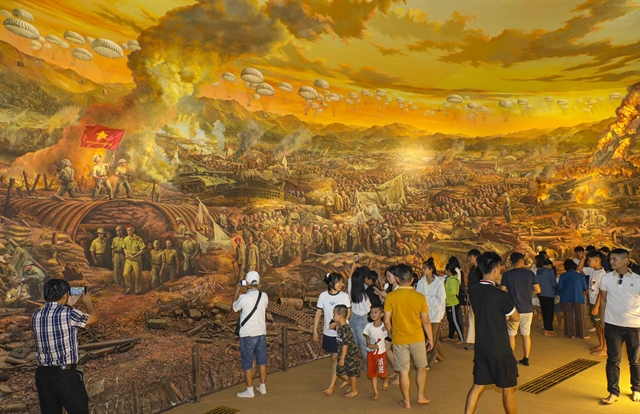
|
| Visitors view the panoramic painting of the Điện Biên Phủ Campaign at the Victory Museum. |
The province also emphasises breakthroughs in human resource development, science and technology, innovation and digital transformation, long-term decisive measures to raise labour productivity and economic competitiveness.
Điện Biên plans to invest in training and attracting high-quality human resources, accelerate the application of science, technology and AI in public administration and services and in production and business and gradually develop a digital economy to create new growth space.
Seventy-two years on, the echo of the Điện Biên Phủ victory remains. The spirit of unity and self-reliance born from that historic triumph continues to be inherited and serves as an internal driving force for Điện Biên’s rapid and sustainable development.
On the once-bloodied battlefield, a new Điện Biên is rising each day, steady on its path of integration and growth. — VNS
Society
 Society
 Society
 Society
 Society
 Society
 Society
.JPG) Society
Society
 Society
 Society
 Society
 Society
 Society
 Society
 Society