 Society
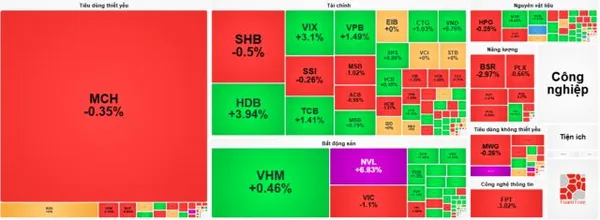
VN-Index ends lower despite liquidity hit over $1 billion
1.
|
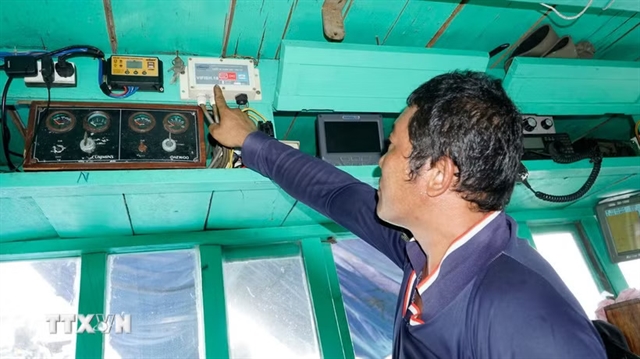
| A fisherman checked tracking devices before setting out to sea. — VNA/VNS Photo |
QUẢNG NINH — The northern coastal province of Quảng Ninh has set a target that by the end of the second quarter, 100 per cent of fishing vessels entering and leaving local ports will be monitored and have their catch volumes declared through the electronic catch documentation and traceability system (eCDT).
The move forms part of a broader strategy to fully digitalise fisheries management and address the “yellow card” warning issued for Việt Nam by the European Commission.
The province has already made notable progress in fleet management. As of mid-April, a total of 4,128 fishing vessels measuring 6m or longer have been registered and fully updated on the national fisheries database (VNFishbase) system. Significantly, all vessels measuring 15 metres and above have been equipped with vessel monitoring systems (VMS).
However, with only around 20 per cent of catch output currently being recorded via the eCDT platform, authorities are accelerating the pace of digital transformation. Quảng Ninh aims to raise this figure to at least 70 per cent by the end of May and achieve full coverage of all vessels subject to mandatory electronic declaration by the close of the second quarter.
To meet these targets, provincial authorities have instructed relevant agencies and coastal localities to intensify inspections at river mouths and designated unloading points, with a firm commitment to eliminating unregulated off-port landings. Alongside investment in digital infrastructure at fishing ports, dedicated task forces are being deployed to guide fishermen in using the eCDT mobile application, ensuring transparency in fishing logs and real-time tracking of fishing locations.
Since the beginning of 2026, Quảng Ninh has identified and penalised 236 violations related to fishing activities and marine resources protection, with total fines exceeding VNĐ2.2 billion (US$83,500). Authorities have reaffirmed their determination to end unregulated landings and to clearly assign responsibility to local administrations in tackling illegal, unreported and unregulated (IUU) fishing.
The standardisation and full digitalisation of traceability data are expected not only to enhance state management efficiency but also to support the development of a sustainable seafood brand, reinforcing the province’s commitment to removing trade barriers in international markets.
In the time ahead, Quảng Ninh is set to focus on tightening fleet management, stepping up substantive inspections, and promoting restructuring to reduce exploitation and increase sustainable aquaculture. Support measures will also be taken to assist fishermen to switch livelihoods, eliminate types of fishing that affect the environment, and upgrade VMS devices. — VNA/VNS
Society
 Society
 Society
 Society
 Society
 Society
 Society
 Society
 Society
 Society
 Society
 Society
 Society
 Society
 Society