 Society
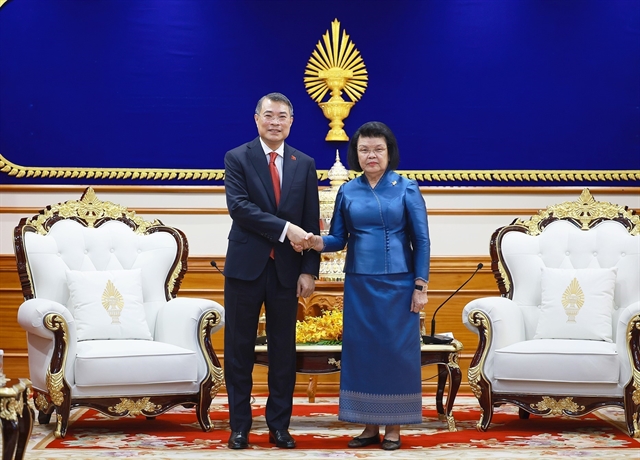
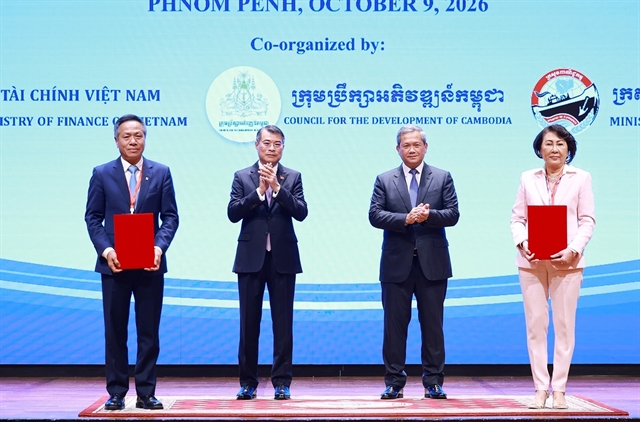
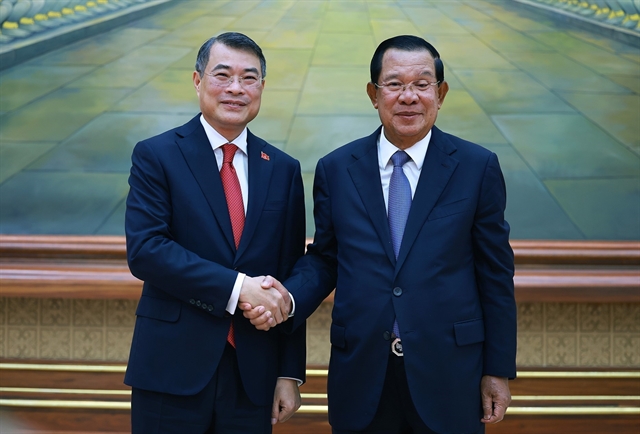
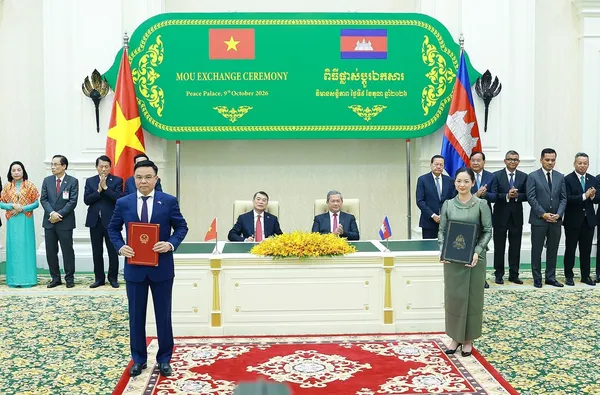
Vietnamese Prime Minister meets Cambodian National Assembly President
1.
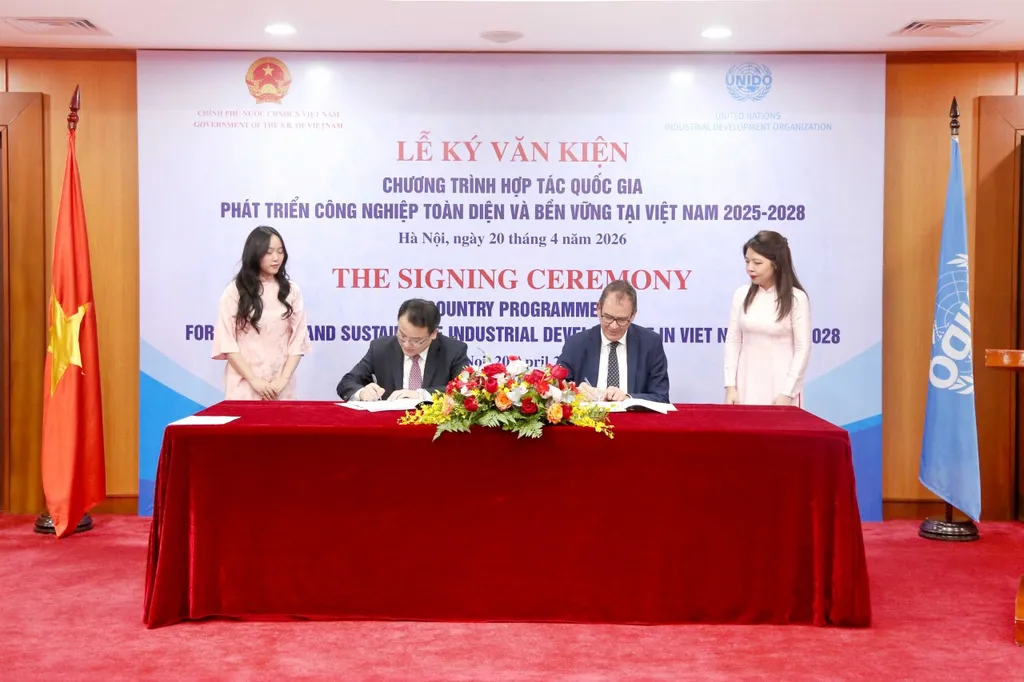 |
| The UNIDO–Việt Nam Country Programme was signed in Hà Nội by Deputy Minister of Finance Trần Quốc Phương and UNIDO Director General Gerd Müller. |
Speaking at the ceremony, Müller highlighted more than four decades of cooperation between UNIDO and Việt Nam, noting that the partnership has evolved from standalone projects into a broad portfolio of integrated and scalable solutions combining policy advice, technical expertise and investment mobilisation.
“Through our new Country Programme, we will support Việt Nam’s green, circular and inclusive industrial transformation, driving greater local value addition and enhanced competitiveness,” he said.
Phương said the programme provides a clear cooperation framework aligned with Việt Nam’s socio-economic development strategy, supporting the country’s ambition to become an upper middle-income economy by 2030 and a high-income nation by 2045, while progressing towards net-zero emissions by 2050.
The Việt Nam–UNIDO Country Programme for 2025–2028, with an indicative budget of US$72 million, focuses on three priority areas: transitioning to a green industry and circular economy; strengthening industrial competitiveness and sustainable value chains; and enhancing industrial policy, institutional capacity and partnerships.
Since 1978, UNIDO has implemented more than 170 projects in Việt Nam across areas such as small and medium-sized enterprise development, quality infrastructure, energy efficiency, cleaner production and sustainable supply chains. Under the new programme, cooperation will be scaled up through more programmatic approaches that integrate policy support, technical assistance and investment mobilisation.
The programme also outlines opportunities to expand collaboration in agro-industries, particularly in high-potential value chains such as rice and tea, with an emphasis on value addition, sustainability standards, climate resilience and rural livelihoods.
The signing underscores the importance of effective coordination, strong government leadership and joint resource mobilisation to ensure successful implementation and tangible development outcomes.
Both sides reaffirmed their commitment to promoting innovative, inclusive and sustainable industrial development, contributing to long-term economic resilience and shared prosperity. — VNS
Society
 Society
 Society
 Society
 Society
 Society
 Society
 Society
 Society
 Society
 Society
 Society
 Society
 Society
 Society