 Society

Triton Crown launch draws more than 400 prospective buyers
1.
 |
| The joy of highland children playing with friends. — VNA/VNS Photo Phan Tuấn Anh |
HÀ NỘI — Việt Nam has surpassed the population milestone of over 100 million people. Each newborn baby, each working-age individual and each elderly person living in good health is not merely a statistic, but a strategic resource and internal strength that determines the nation's future.
On December 10, the National Assembly (NA) passed the Population Law. The nation's population is entering a new phase with profound shifts, interweaving opportunities and increasingly evident challenges.
A new summary report on population reveals that demographics are shifting at a notable pace. One of the most prominent trends is the continuous decline in fertility rates, reaching a historic low. The total fertility rate dropped from 2.01 children per woman in 2022 to 1.96 in 2023 and just 1.91 last year – the lowest ever recorded in Việt Nam.
More worryingly, the replacement fertility level of 2.1 is maintained in only 17 per cent of all provinces and cities, meaning most localities are below the replacement level. Prolonged low fertility could lead to a shrinking population in the future, placing significant pressure on the workforce and social security system.
At the same time, the sex ratio at birth remains abnormally high: 111.4 boys per 100 girls last year, signalling a future surplus of males and consequent social repercussions such as marriage difficulties, family structure instability, and other potential societal issues if timely solutions are not implemented.
Another accelerating trend is population ageing. Việt Nam officially entered the ageing phase in 2011 and is projected to become an aged society after 2036.
Average life expectancy reached 74.7 years last year, but only about 65 years on average can be said to be healthy, creating a wide gap between 'living long' and 'living healthily' and driving increasing demand for long-term health care.
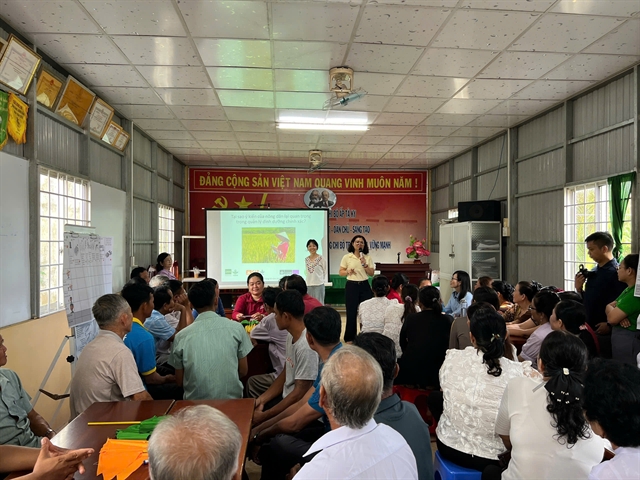
Not only are population size and structure changing, but health and wellness are also showing clear disparities across regions. Many mountainous areas and ethnic communities still face issues in child marriage, consanguineous marriages, high rates of child malnutrition or limited access to health care and education services. These factors directly impact future stature, physical fitness and quality of life.
Director of the Population Department under the Ministry of Health Lê Thanh Dũng said that Việt Nam faces four major population challenges: fertility rates falling below the replacement level, a persistently high sex ratio at birth, rapid population ageing, and limited population health or wellness. These challenges directly affect the country's sustainable development and family happiness.
According to Dũng, investment in population-related initiatives in the next few years must go beyond slogans, materialising into policies with secured resources and tangible effectiveness.
Focus should be on encouraging couples and individuals to have exactly two children, prioritising areas with low fertility and ethnic communities while maintaining replacement fertility and restoring the sex ratio at birth to its natural balance.
Developing and issuing policies for elderly health care, adapting to population ageing, and improving population quality will also continue to receive attention.
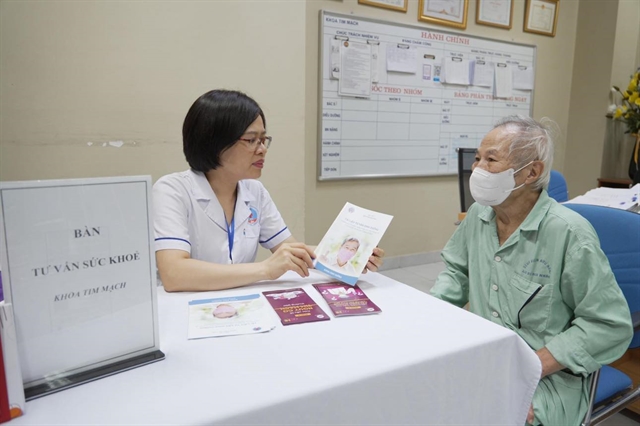
Population work only truly matters when it reaches individual families and lives, through reproductive health counselling, family planning, providing modern contraceptives, support for prenatal and infant screening to ensure healthier births, and reducing disease burdens on families and society.
To help adapt to population ageing, models like intergenerational self-help clubs are seen as important grassroots initiatives, helping the elderly maintain fitness while fostering community engagement, Dũng said.
National population policy
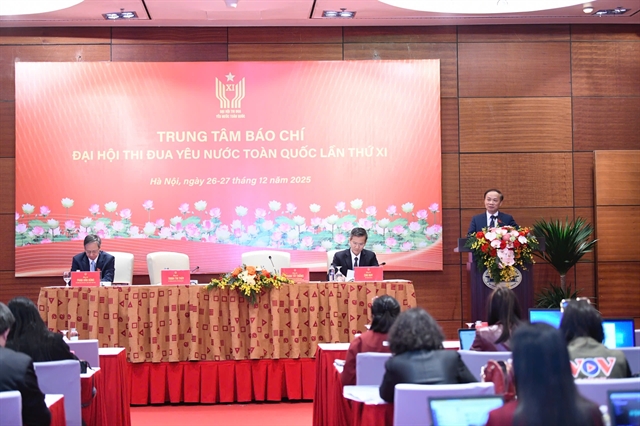
The Population Law was passed by the NA with overwhelming approval on December 10. This outcome shows the law meets practical needs, aligns with the Party and State's guidelines, and enjoys broad consensus from the legislative body.
Its passage marks a significant shift, elevating population policy from the Population Ordinance 2003 to a law with higher legal force, suited to the country's new development context.
The law focuses on current core population issues: maintaining replacement fertility, minimising sex imbalance at birth, adapting to population ageing and aged populations, enhancing population health, promoting communication, advocacy and education on population matters, and stipulating practical implementation safeguards.
It devotes substantial content to policies adapting to population ageing. Beyond requiring individuals to prepare for old age in health, finances and psychology, it encourages participation in social insurance, health insurance and lifelong learning and exercise to preserve physical, mental and social functions.
The Population Law also directs the diverse development of elderly care services at home and in communities, emphasising worker development for elderly care in two categories: formal and informal, linked to appropriate skills training support.
According to Dũng, the law's major policies will be implemented cohesively. Enhancing population quality requires multi-sectoral coordination, not just for health. This begins before marriage with premarital health checks and continues during pregnancy, with prenatal and infant screening for early detection of diseases and congenital defects. Post-birth, early screening and intervention must be sustained to ensure timely treatment and better development foundations.
Dũng added that children need ensured nutrition from their earliest days, in the first year and subsequent growth stages. After reaching adulthood, a healthy workforce will contribute significantly to national development. In old age, adaptation policies must start early to enable healthy and happy lives.
Coordinated solutions
 |
| An impressive performance at an elderly festival in Hà Nội. — VNA/VNS Photo Thanh Tùng |
The Population Law establishes a comprehensive policy system aimed at ensuring reasonable fertility, controlling sex imbalance at birth, proactively adapting to population ageing and elevating population quality.
A key feature is empowering individuals and couples to decide on family size, birth timing and spacing, with tailored support policies for different population groups and localities.
To facilitate childbirth and child-rearing, the law stipulates that female workers giving birth to a second child receive seven months of maternity leave, while male workers get 10 days off when their wife gives birth.
Certain groups, such as women from very small ethnic groups, those giving birth in low-fertility areas or those having two children before age 35, receive additional financial support based on specific conditions.
Notably, the law prioritises those with two or more biological children for social housing access, including priority purchase, hire-purchase or rentals, under legal provisions. This addresses one of the biggest current barriers to childbearing decisions, especially in major cities where housing pressure and living costs are rising.
The law strictly prohibits disseminating false or distorted information on population policies, as well as obstructing communication, counselling and services related to population and family planning.
To address sex imbalance at birth, the law imposes stringent rules: banning all forms of foetal sex selection and prohibiting disclosure of foetal sex for abortion purposes. Health care practitioners violating these rules can face suspension, depending on the severity of the case. This is crucial to curb the root cause of prolonged sex imbalance in a population.
Deputy Minister of Health Đỗ Xuân Tuyên said that, based on the Population Law's breakthrough policies and tasks, every citizen must prepare for their family's population future through specific decisions and actions. This includes effective childbirth practices, advocacy for couples to decide suitable family sizes aligned with their conditions and preferential policies to help maintain replacement fertility.
At the same time, communication must be strengthened in health care facilities and among youth on premarital care as well as prenatal and infant screening, ensuring healthy births and thereby improving future population quality.
The Population Law not only addresses current issues but, more importantly, builds a solid foundation for the nation's sustainable development path.
In the years ahead, the quality of life for each generation – from infants to workers to well-cared-for elders – will remain pivotal, forging internal strength and momentum for Việt Nam's steady progress over the next several decades. — VNS
Society
 Society
 Society
 Society
 Society
 Society
 Society
 Society
 Society
 Society
 Society
.jpg) Society
Society
 Society
 Society
 Society

.jpg)




