 Society

AITO Looks Ahead to Europe, Building a Thriving Automotive Ecosystem
1.

|
| Weather patterns were announced at a press conference held by the Hydro-Meteorological Department under the Ministry of Agriculture and Environment. — VNS Photo Tố Như |
HÀ NỘI — Colder than average weather conditions are forecast for the Lunar New Year due to the prolonged La Nina phenomenon, which increases the risk of heavy rain accompanied by severe cold and frost in many areas.
Hoàng Đức Cường, deputy head of the Hydro-Meteorological Department under the Ministry of Agriculture and Environment, said that this year has seen many extreme meteorological and hydrological records globally.
Numerous areas in the US and Turkey recorded temperatures exceeding 48 degree Celsius, setting new records for consecutive days of extreme heat in July. In the North Atlantic, sea surface temperatures remained at record highs, exceeding 25.5 degree Celsius at the end of summer, providing unprecedented energy for tropical cyclones.
The reason for rising ocean temperatures is ice melting at unprecedented rates. In Southwest Greenland, an estimated 300 billion tonnes of ice melted during the summer of this year alone, significantly contributing to a rise in global sea levels.
Tropical cyclone activity last year also broke many records, with the Atlantic recording up to ten storms of category three or higher. Rapidly intensifying typhoons became increasingly common, such as Super Typhoon Phoenix in the Northwest Pacific, which escalated from category one to category five in just 24 hours in September, with winds exceeding 250km per hour.
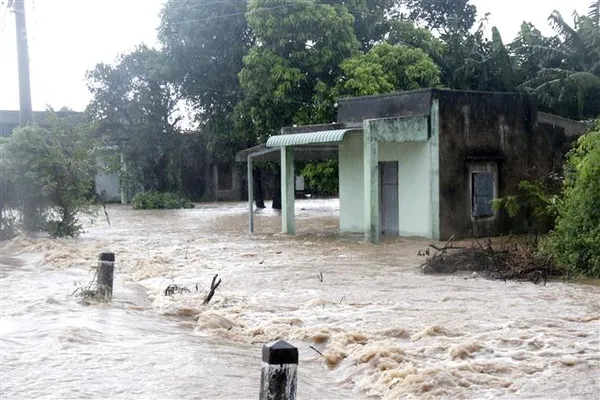
In Việt Nam, 2025 has been a year with highly anomalous meteorological and hydrological disasters. By the end of last month, economic losses from natural disasters were estimated to exceed VNĐ85 trillion (US$3.2 billion), with 409 people dead or missing.
In the East Sea, there were 21 typhoons and tropical depressions, making 2025 the year with the highest number of typhoons since observation data began in 1961, surpassing the previous record from 2017.
This year’s typhoon season also recorded many rare unusual features: Typhoon No. 1 – Wutip – appeared late in June, recurring after over 40 years; Typhoon No. 9 Ragasa reached category 17 intensity with gusts above category 17, evaluated as the strongest typhoon ever in the East Sea (internationally known as the South China Sea).
According to Cường, the unusual developments regarding typhoons, floods and heavy rain in Việt Nam and worldwide this year indicated that traditional weather patterns were changing rapidly, reflecting the increasingly clear impact of climate change, making natural disasters more severe and harder to predict.
Regarding forecasts for late this year and early next year, a tropical depression is active east of the Philippines and may strengthen into a typhoon entering the East Sea as Typhoon No. 16.
If it forms, this typhoon is likely to cause moderate to heavy rain in central Việt Nam, especially from south Quảng Trị to north Bình Thuận, increasing risks of flash floods and landslides.
Deputy Minister of Agriculture and Environment Phùng Đức Tiến warned that extreme weather, prolonged heat interspersed with thunderstorms and typhoons, followed by severe cold spells and frost in the winter, would directly impact agricultural production.
It can slow the growth of crops and livestock, requiring localities to proactively implement response measures to minimise damage. — VNS
Society
 Society
 Society
 Society
 Society
 Society
 Society
 Society
 Society
 Society
 Society
 Society
 Society
 Society
 Society