 Politics & Law
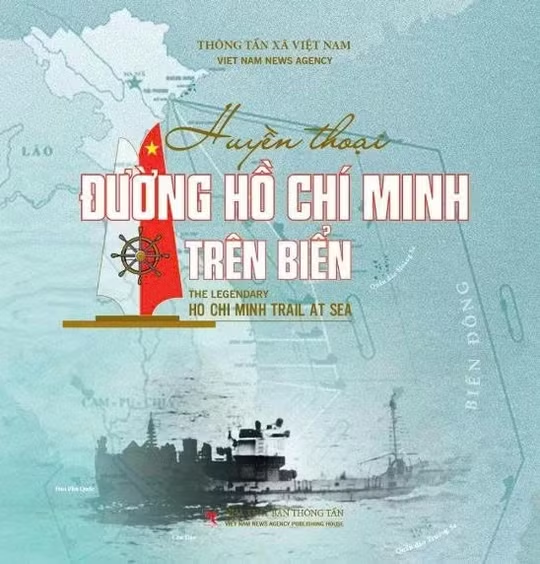
Bilingual photo book on Hồ Chí Minh trail at sea launched
1.
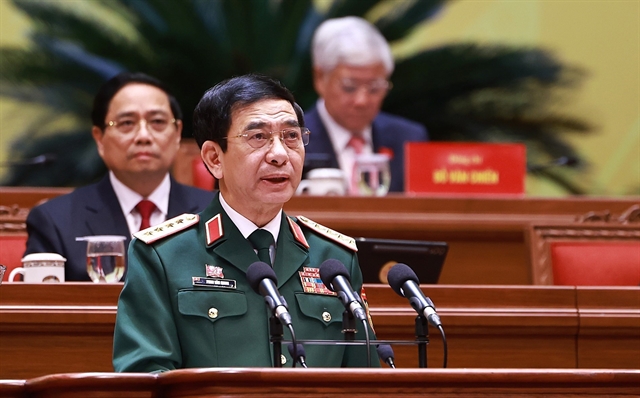 |
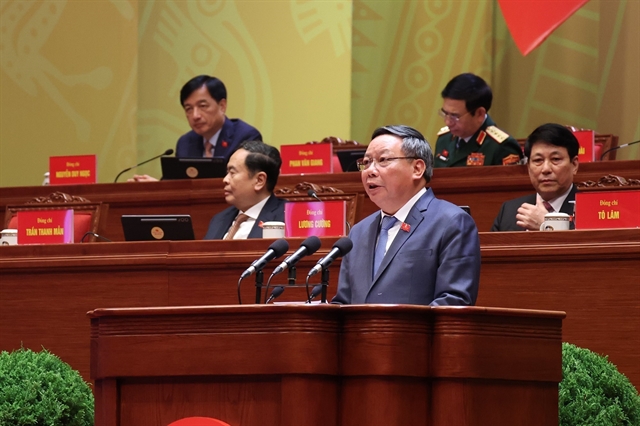
| Minister of National Defence Phan Văn Giang speaks at the 14th National Party Congress on Wednesday. — VNA/VNS Photo |
HÀ NỘI — The military leadership has outlined a vision for accelerating the modernisation of the armed forces, stating that a more technologically capable and professionally structured military is critical to safeguarding national security as global strategic competition intensifies.
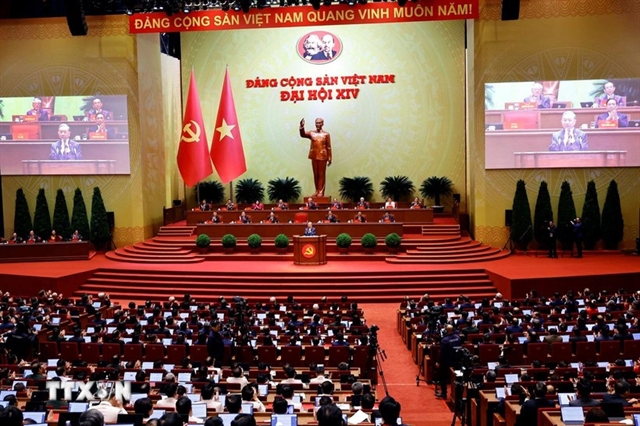
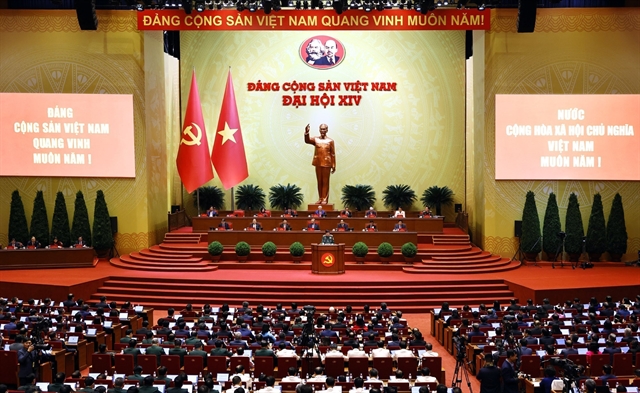
Addressing a plenary session on Wednesday during discussions on draft policy documents for the Communist Party’s 14th National Congress, Minister of National Defence Phan Văn Giang said the armed forces strongly supported the proposed documents, describing them as the result of extensive preparation and a comprehensive review of recent practice.
Giang said the past five years had seen rapid and unpredictable changes in global and regional affairs, including heightened competition among major powers and a growing arms race that have raised concerns about long-term stability.
At the same time, advances in science and technology were reshaping military planning and the conduct of warfare.
Domestically, Việt Nam has faced a widening range of non-traditional security challenges, from the COVID-19 pandemic to increasingly severe storms, floods and landslides linked to climate change.
In response, the Party and State had pursued what he described as historic policy adjustments, including a major drive to streamline the political and administrative system. These reforms have helped create new room for development across sectors, including defence and security.
He said the military had moved decisively to implement goals set at the previous Party congress, which called for building a force that is professional, disciplined and modern.
According to the defence ministry, more than 5,000 military units have been restructured as part of a broader effort to create a leaner and more efficient force.
Giang said the armed forces had continued to balance their defence responsibilities with an expanded role in supporting civil authorities.
Military units have been deployed regularly for disaster response, search and rescue operations, epidemic control and environmental incident mitigation, particularly in remote and economically disadvantaged regions.
These activities, he said, had reinforced public confidence in the military and strengthened what Vietnamese officials describe as the link between national defence and popular support.
He also underscored the importance of what Việt Nam refers to as an 'all-people national defence' framework – a doctrine that emphasises the integration of military preparedness with internal security, economic development and public participation.
International engagement has also expanded.
Giang said defence diplomacy had become an increasingly prominent component of Việt Nam’s foreign relations, alongside state and people-to-people diplomacy.
He said the military will step up bilateral and multilateral cooperation, including joint training programmes and exercises, with particular attention to non-traditional security issues.
Another major focus in the coming period would be the development of a more autonomous and technologically advanced defence industry.
Việt Nam, he said, aims to strengthen domestic capabilities in research, design and manufacturing, producing both military and dual-use equipment.
He also said progress in mastering several core technologies has allowed the country to manufacture a wider range of modern and strategic equipment, enabling the armed forces to meet key modernisation targets up to five years earlier than originally planned.
Looking ahead, the minister outlined several priority areas, including reinforcing Party leadership over the military, improving training and education to ensure effective use of modern equipment, expanding international cooperation and ensuring closer coordination between defence planning and socio-economic development.
He said the armed forces would continue to play a central role in Việt Nam’s national defence posture, which emphasises the integration of military readiness with public support.
The minister concluded by reaffirming the military’s commitment to its three long-standing functions: national defence, domestic disaster relief and emergency support, and participation in economic production.
Together, he said, these roles would underpin Việt Nam’s efforts to maintain stability while pursuing long-term development goals as the country enters its next political cycle. — VNS
Politics & Law
 Politics & Law
 Politics & Law
 Politics & Law
 Politics & Law
 Politics & Law
 Politics & Law
 Politics & Law
 Politics & Law
 Politics & Law
 Politics & Law
 Politics & Law
 Politics & Law
 Politics & Law
 Politics & Law