 Opinion
Deputy PM urges stronger commercialisation of sci-tech research
1.
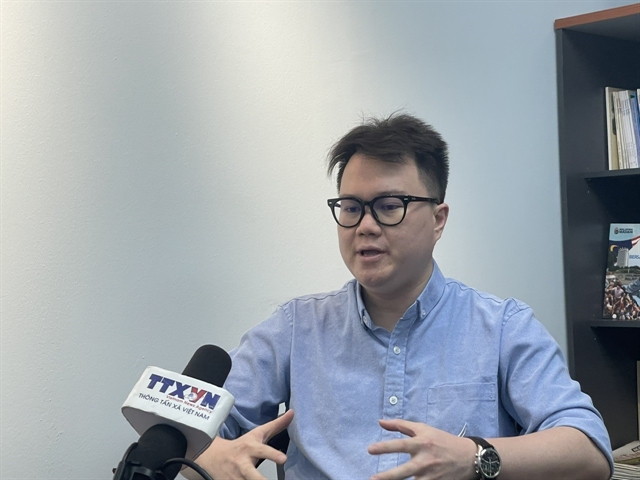 |
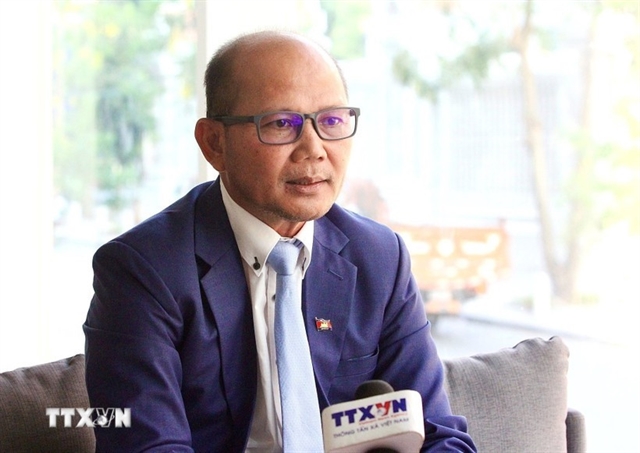
| Enzo Sim Hong Jun, a Malaysian researcher specialising in Southeast Asian history and defence speaks to Vietnam News Agency correspondent in Kuala Lumpur. —VNA/VNS Photo Thành Trung |
HÀ NỘI — The 14th National Congress of the Communist Party of Việt Nam (CPV) stands as clear evidence of internal unity and the strategic vision of the CPV leadership in steering Việt Nam towards new economic achievements and a stronger global standing, according to Enzo Sim Hong Jun, a Malaysian researcher specialising in Southeast Asian history and defence.
Speaking to a Vietnam News Agency correspondent in Malaysia, the researcher noted that one of the most striking features of the 14th National Party Congress is its shorter duration compared to previous congresses. This decision, he said, is not merely a scheduling adjustment but reflects a high level of unity, consensus and firm support within the Party.
For the international community, the successful organisation of the Congress sends a positive signal, underscoring Việt Nam’s political stability. At a time when global investors place strong emphasis on stability and policy consistency, ensuring continuity in leadership and consensus following the Congress is seen as a key factor in safeguarding and advancing Việt Nam’s long-term economic objectives over the next five years.
Việt Nam has set an ambitious target of maintaining annual economic growth of around 10 per cent throughout the coming five-year term. Sim described this as a strong commitment, particularly in light of ongoing global geopolitical and economic uncertainties.
Vietnamese leaders, he said, clearly recognise that sustained and robust economic growth is a central pillar of the Party’s leadership role and a critical foundation for reinforcing public confidence. As such, economic development remains a top priority on the government’s current agenda.
The researcher also pointed to Việt Nam’s unprecedented administrative reforms as a concrete effort to realise its growth ambitions. Authorities have decided to streamline the state apparatus, significantly reduce the number of ministries and agencies, cut staffing levels, and merge several localities to optimise organisational efficiency and save the state budget.
Alongside these reforms, Party General Secretary Tô Lâm has reaffirmed a strong commitment to the fight against corruption. According to Sim, this is an essential step to restore public trust and, more importantly, to create a transparent and favourable financial environment that can attract additional foreign direct investment (FDI) amid shifts in the global order.
Việt Nam’s development strategy also hinges on substantial budget allocations for key infrastructure projects. The State plans to invest in the construction of the North–South high-speed railway, alongside upgrades and new rail links connecting with China through border gates to promote bilateral trade.
At the same time, large-scale infrastructure projects such as Long Thành International Airport are being implemented at an accelerated pace, with the aim of enhancing transit capacity and gradually positioning Việt Nam as a regional connectivity hub through a multimodal transport system encompassing aviation, road and rail.
Overall, the researcher said the 14th National Party Congress has charted a clear roadmap for Việt Nam, focusing on political stability, administrative reform, anti-corruption efforts and infrastructure breakthroughs to achieve economic goals.
Sim observed that the combination of proactive foreign policy and strengthened internal capacity demonstrates Việt Nam’s readiness to adapt to a world in which traditional partners are no longer entirely predictable. These strategic steps, he concluded, will not only help Việt Nam overcome challenges but also affirm its strong rise on the international stage. — VNA/VNS
Opinion
 Opinion
.jpg) Opinion
Opinion
 Opinion
 Opinion
 Opinion
 Opinion
 Opinion
 Opinion
 Opinion
 Opinion
 Opinion
 Opinion
 Opinion
 Opinion