 Life & Style

Malaysia Secures 20 Recognitions, Including Eight Category Wins, At ASEAN Energy Awards 2026
1.
|
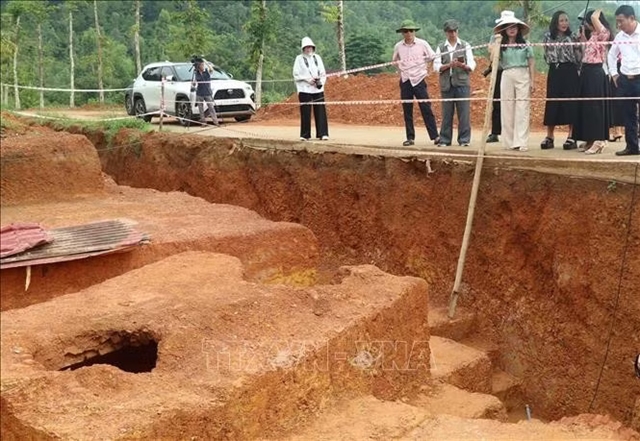
| specialists are pictured at the archaeological site in Kim Liên Commune, Nghệ An Province. — VNA/VNS Photos |
NGHỆ AN — Two brick tombs dating from the 4th to 6th centuries have been uncovered during a recent emergency excavation at the Rú Bụt archaeological site in Kim Liên Commune, Nghệ An Province.
The Nghệ An – Xô Viết Nghệ Tĩnh Museum, in collaboration with the University of Social Sciences and Humanities under Vietnam National University, Hà Nội, on September 16 announced the results of the excavation.
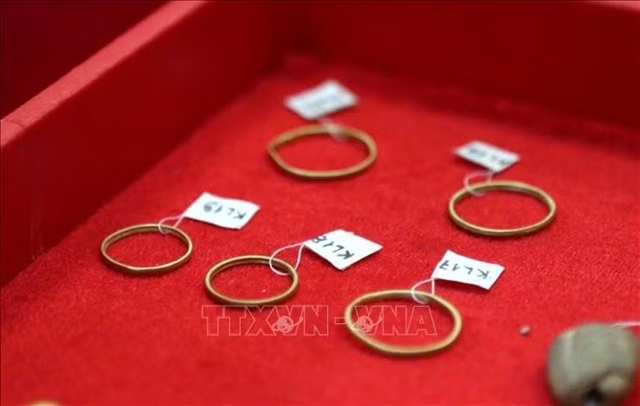
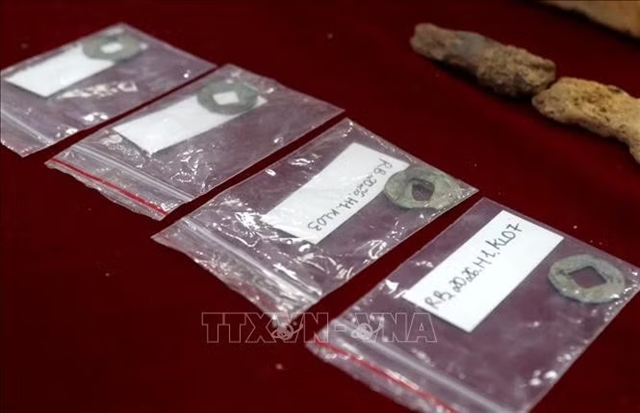
A large number of burial objects were also discovered, including ceramic and glazed terra-cotta jars, cups, bowls, pots and bottles; Wuzhu coins; iron knives, blades and swords; bronze objects; glass beads; and gold-coloured metal beads and leaf-shaped objects.
Notably, the second tomb, located more than two metres below the first, remains relatively intact, providing valuable evidence for understanding how burial objects were arranged in ancient tombs.
|
| A large number of burial objects were also discovered. |
Archaeologists have recorded similar sites in several areas of Nghệ An, including former Nam Lộc, Nam Kim and Kim Liên communes (now Vạn An, Thiên Nhẫn and Kim Liên communes, respectively).
Based on their structure, construction techniques and unearthed artefacts, the two tombs are identified as brick-built burial chambers. Such tombs, commonly known as brick tombs or Han tombs, were relatively widespread in areas along major rivers and waterways, including the Lục Đầu Giang, Bạch Đằng, Y Bích and Lam river systems, which served as important links between settlements and the sea.
|
| Wuzhu coins unearthed at the burial site. |
Following the announcement, archaeologists recommended temporary conservation measures, including covering and backfilling the excavation pits, as well as broader research and surveys of archaeological, historical and cultural sites in the Lam river basin.
They also called for stronger protection and monitoring of the Rú Bụt site and surrounding areas, together with greater public awareness of the site’s heritage value.
The tombs were discovered by local resident Trần Đình Tuấn in April while he was digging soil to plant trees in the Rú Bụt area, formerly part of Nam Giang Commune, Nam Đàn District. — VNA/VNS
Life & Style
 Life & Style
 Life & Style
 Life & Style
 Life & Style
 Life & Style
 Life & Style
 Life & Style
 Life & Style
 Life & Style
 Life & Style
 Life & Style
 Life & Style
 Life & Style
 Life & Style