 Life & Style
Great National Unity Day in Europe: Youth build stronger, more united community
1.
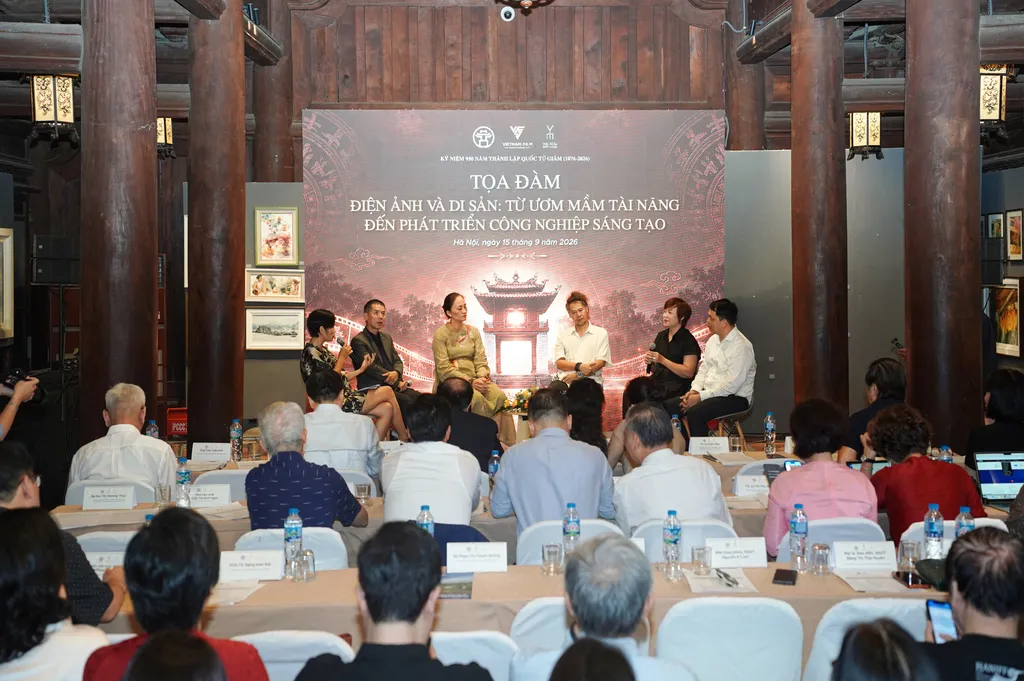 |
| Delegates attend the seminar. — Photos courtesy of VFDA |
HÀ NỘI — Recommendations and solutions were discussed on how cinema can bring heritage into contemporary life while creating added value for tourism, development and creative industries.
Experts at the seminar, titled 'Cinema and Heritage – From Nurturing Talent to Developing Creative Industries', proposed the links between heritage, creative talent, film production and the development of creative industries.
The event was part of a series of activities marking the 950th anniversary of the Văn Miếu - Quốc Tử Giám, bringing together historians, directors, producers, cinematographers, cultural experts, UNESCO representatives, heritage managers and local authorities.
The discussions highlighted the need for approaches that allow heritage to be not only preserved but also used as a source of inspiration for creative work, talent development and the growth of Việt Nam’s cultural industries.
Heritage as creative material
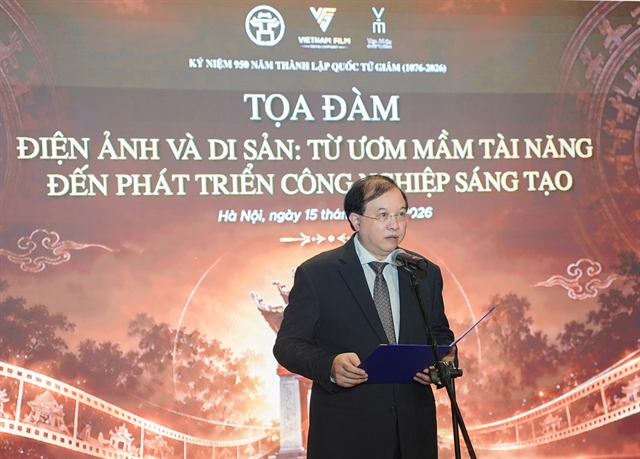 |
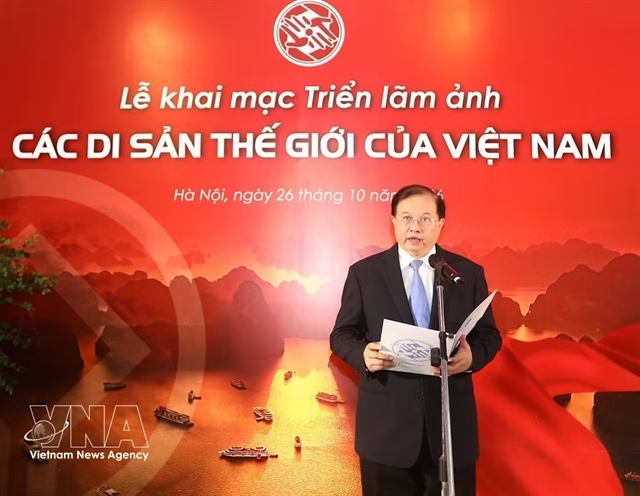
| Deputy Minister of Culture, Sports and Tourism Tạ Quang Đông. |
Speaking at the seminar, Deputy Minister of Culture, Sports and Tourism Tạ Quang Đông said cinema development should go hand in hand with responsible use of the country's cultural resources. Heritage should not only be seen as something to be preserved but also as a resource for creating new values.
"Using heritage through cinema requires understanding, respect for authenticity and responsibility towards history and culture," he said.
"Creativity does not conflict with preservation, and responsible creativity can help people understand heritage more deeply and give it a new life in contemporary society."
The Ministry of Culture, Sports and Tourism will continue to improve policies and mechanisms to create a favourable environment for creativity, develop human resources and encourage cinema to participate more deeply in the value chain of the cultural industries.
Ngô Phương Lan, Chairwoman of the Việt Nam Film Development Association (VFDA), said heritage goes beyond historical sites, architectural works and landscapes - it also includes history, community memories, customs, festivals, languages, music, arts, traditional crafts, folk knowledge and other spiritual values that shape the identity of a nation and its regions.
"Cinema can do more than record or illustrate heritage, as it can open up stories, recreate memories and bring familiar values to life through new perspectives," Lan said.
In this way, cinema can bring heritage into contemporary life and turn it into material for creative works, she added.
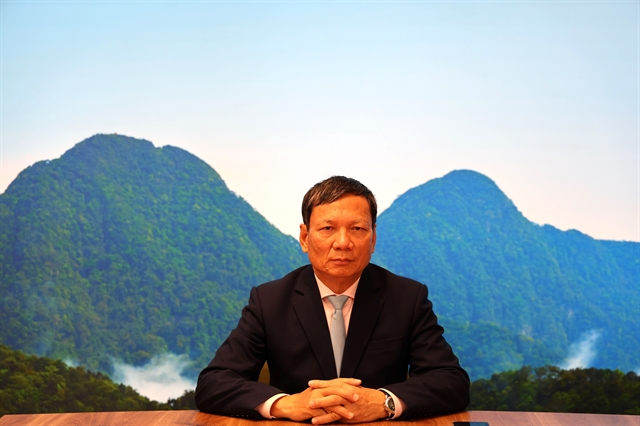
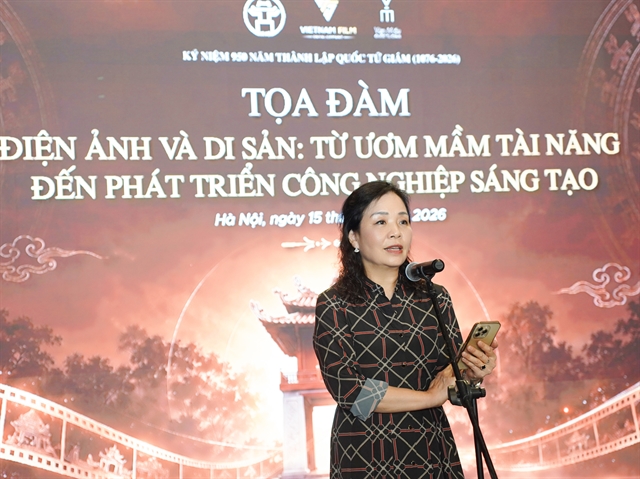 |
| Ngô Phương Lan, Chairwoman of the Việt Nam Film Development Association (VFDA). |
The seminar also raised questions about the conditions needed to produce more films based on history and heritage.
People's Artist Khải Hưng questioned how much of Ninh Bình's rich landscape could actually be used for film production, despite its strong visual potential. He raised another question about when Việt Nam would have dedicated film studios capable of supporting historical productions.
He also referred to the film Mưa Đỏ (Red Rain) and the challenges of producing films dealing with history and patriotism.
Building a creative ecosystem
Đông also said the theme was particularly relevant as Việt Nam is placing greater emphasis on culture and human development.
He cited Resolution No. 80-NQ/TW of the Politburo, which identifies culture and people as an endogenous foundation, resource, driving force and pillar of sustainable development.
Ngô Phương Lan stressed that talent needs a favourable creative environment to develop, as nurturing talent and developing creative industries were closely connected, with young creators playing an increasingly important role.
"Talent creates good works, good works create audiences, audiences create markets, and only when these elements are connected within a creative ecosystem can the film industry develop sustainably," she said.
The seminar also discussed how younger filmmakers are approaching heritage and cultural subjects.
People’s Artist Khải Hưng said he was impressed by the rapid development of technology, noting that films could now be shot, edited and released quickly, even with mobile phones and platforms such as YouTube. While film quality still needs to improve, he could see a sense of freshness in many works created by younger filmmakers.
Director Hà Lệ Diễm said she benefited from the experience of previous generations.
During her training, she learned to prepare carefully before filming, including limiting the use of memory cards and batteries and planning production in detail to avoid unnecessary repeated shooting. These skills supported her work on the film Những Đứa Trẻ Trong Sương (Children of the Mist), which explored the Hmong practice of 'wife kidnapping' from the perspective of a young filmmaker. The subject had previously appeared several times in television programmes and documentaries.
Professor Dr Nguyễn Quang Ngọc, a historian and cultural researcher, stressed the importance of strong knowledge of history and culture for young filmmakers. He also raised concerns about a growing distance between some young people and history. — VNS
Life & Style
 Life & Style
 Life & Style
 Life & Style
 Life & Style
 Life & Style
 Life & Style
 Life & Style
 Life & Style
 Life & Style
 Life & Style
 Life & Style
 Life & Style
 Life & Style
 Life & Style