 Life & Style
84 individuals investigated for transnational online frauds
1.
Dr Ruben Martínez*
Being told you have diabetes can feel overwhelming. Many people experience a mix of concerns, confusion, and uncertainty about what life will look like going forward. The good news is that diabetes is a manageable condition, and with the right knowledge and support, most people continue to live full, active lives.
Understanding the condition early is an important first step toward long-term health.
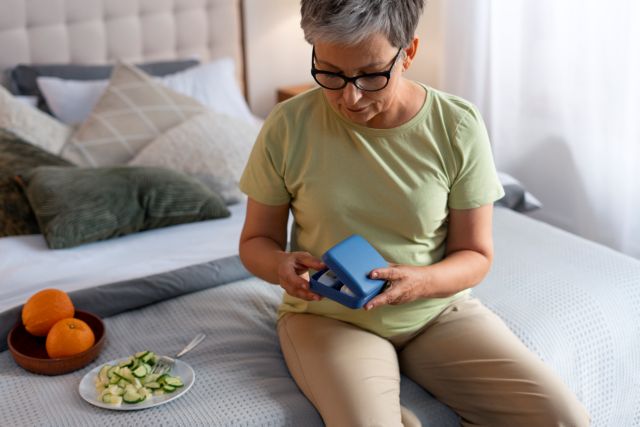 |
| A healthy diet and regular blood sugar monitoring are key first steps after being newly diagnosed with diabetes. — Photo courtesy of Family Medical Practice |
What does diabetes diagnosis mean?
Diabetes occurs when the body has difficulty regulating blood glucose (sugar) levels. This may be due to reduced insulin production, reduced insulin effectiveness or both. Over time, persistently high blood sugar can affect blood vessels, nerves and organs if not well managed.
A diagnosis does not mean that complications are inevitable. It means that your body needs ongoing attention and care to keep blood sugar within a healthy range.
The first weeks after diagnosis
It is normal to feel unsettled in the early days after learning you have diabetes. Many people worry about diet, medications, lifestyle changes and long-term health.
During this period, education is just as important as treatment. Understanding how food, physical activity, stress, sleep and medication affect blood sugar helps you make informed, confident decisions rather than feeling restricted or fearful.
Lifestyle changes that matter most
Eating well
A diabetes-friendly diet does not mean eliminating all carbohydrates or enjoyment of food. Instead, it focuses on balance, portion awareness, and choosing foods that help stabilise blood sugar. Regular meals, whole foods, adequate fibre and reduced intake of sugary drinks and highly processed foods are key principles.
Physical activity
Regular movement helps the body to use insulin more effectively. Even moderate activities such as walking can significantly improve blood sugar control. The goal is consistency rather than intensity.
Weight and metabolic health
For some people, modest weight loss improves insulin sensitivity and glucose control. This does not require extreme dieting - gradual, sustainable changes are more effective.
Medication and monitoring
Not everyone with diabetes needs medication immediately, but some do. If medication is prescribed, taking it as directed is essential. Monitoring blood sugar helps you and your healthcare provider understand how your body responds to treatment and daily habits.
Over time, your treatment plan may change, this is normal and reflects your body’s evolving needs, not failure.
Why regular follow-up is important
Diabetes affects more than blood sugar alone. Regular check-ups allow early detection of potential issues involving the heart, kidneys, eyes and nerves. Preventive care helps reduce the risk of long-term complications and supports overall wellbeing.
Emotional wellbeing matters too
Living with a chronic condition can be mentally demanding. Feelings of frustration, guilt or burnout are common, especially in the early stages. These emotions do not mean you are doing poorly, they are part of adjustment.
Seeking support, asking questions and involving family members can make diabetes care more manageable and less isolating.
A message for families
Support from partners and family members plays a powerful role in diabetes management. Shared meals, encouragement for physical activity, and understanding daily routines can help newly diagnosed patients feel supported rather than overwhelmed.
Diabetes management is often more successful when it becomes a shared lifestyle approach, not a solitary effort.
Looking ahead
A diabetes diagnosis is not the end of normal life, it is the beginning of a more informed one. With education, regular medical care and sustainable habits, many people successfully control their diabetes and prevent complications.
Taking small, consistent steps and working closely with your healthcare team can help you build confidence and regain a sense of control.
We have international doctors who are specialists in diabetes and will give you advice in matters of treatment and lifestyle.
If you ever have a complication related to diabetes such as hyper or hypoglycemia, or suspect a stroke or a heart problem, we do have an emergency service open 24/7 for you. — Family Medical Practice
 |
| Dr Ruben Martínez — Photo courtesy of Family Medical Practice |
*Dr Ruben Martínez is an experienced internal medicine physician with international training and a strong background in primary care and dermatology conditions. He provides comprehensive medical consultations, preventive health screenings, and management of acute and chronic conditions. Dr Martínez is known for his calm, patient-focused approach and clear communication, helping patients and families make informed decisions about their health. He also has experience working in multicultural healthcare environments and supporting expatriate communities.
FMP Healthcare Group operates medical centers in major cities including HCM City, Hà Nội and Đà Nẵng, offering consultations with international doctors, check-up centres and emergency ambulance services.
Visit FMP Thảo Điền in HCM City to consult with Dr Ruben Martínez.
To book an appointment, please call (028) 3744 2000 (FMP - Thảo Điền), or email d2.reception@vietnammedicalpractice.com.
Life & Style
 Life & Style
 Life & Style
 Life & Style
 Life & Style
 Life & Style
 Life & Style
 Life & Style
 Life & Style
 Life & Style
 Life & Style
 Life & Style
 Life & Style
 Life & Style
 Life & Style