 Life & Style
HCM City seeks stronger port connectivity, green transition
1.
|
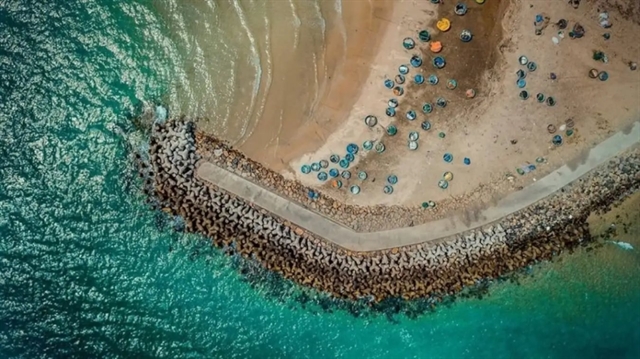
| Mũi Né is among Booking.com’s top global trending destinations for 2026. — Photo nguoihanoi.vn |
HÀ NỘI — The recognition of Mũi Né among Booking.com’s top global trending destinations for 2026, alongside Bilbao (Spain), Barranquilla (Colombia), Philadelphia (the US) and Guangzhou (China), underscores a shift in Việt Nam’s tourism toward greater distinctiveness and depth.
For years, Việt Nam’s tourism advantages have largely rested on natural resources and competitive costs. This model enabled rapid growth but also created a familiar cycle of heavy exploitation followed by a gradual loss of differentiation.
Mũi Né’s appearance in global trend reports signals a new movement, where destinations can no longer rely solely on scenery but must tell their own stories and craft distinctive and personalised experiences.
This shift is taking shape across the country. Đà Nẵng is positioning itself as a hub for events and high-end resorts; Phú Quốc is developing integrated resort complexes; while Hà Nội and Hồ Chí Minh City are tapping into cultural depth and urban lifestyles. The common thread is a growing awareness among tourism stakeholders to move from a passive “use what’s available” approach to proactively designing products and curating experiences.

|
| Mũi Né is renowned for its striking landscapes, where vast desert-like sand dunes meet the crystal-clear blue sea. — Photo baodantoc.vn |
Change is also being driven by travellers. The desire to “travel to feel” is replacing the urge to “travel to check in.” This trend opens up opportunities for community-based tourism. As authenticity becomes a core value, fishing villages, neighbourhoods and cultural spaces can all become integral parts of the tourism offering.
Opportunities abound, but challenges are equally evident. As destinations gain popularity, risks of overcrowding and over-commercialisation rise. The key question is no longer how many visitors to attract, but how to maintain the quality of experience as numbers grow – requiring coordinated planning, effective management and strong community awareness.
The recognition may provide an initial boost, but long-term value lies in preserving identity, refreshing offerings and adapting to evolving trends. As more destinations move in this direction, Việt Nam’s tourism sector can build a more diverse and sustainable ecosystem. — VNA/VNS
Life & Style
 Life & Style
 Life & Style
 Life & Style
 Life & Style
 Life & Style
 Life & Style
 Life & Style
.jpg) Life & Style
Life & Style
 Life & Style
 Life & Style
 Life & Style
 Life & Style
 Life & Style
 Life & Style