 Life & Style
Rural tourism needs to cash quantities over goods sold
1.
|
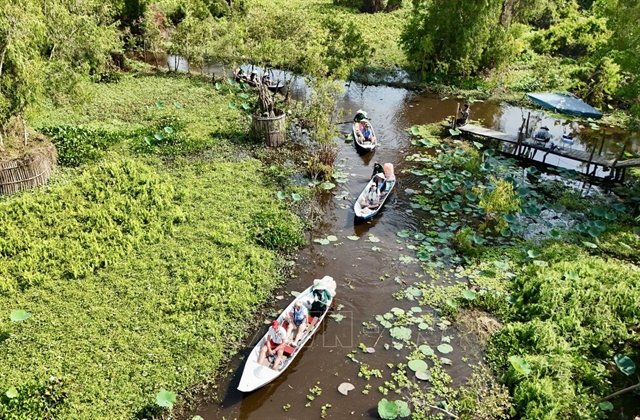
| Tourists visit Trà Sư Cajuput Forest in An Giang Province, one of Mekong Delta localities that are seeking solutions to develop tourism. VNA/VNS Photos |
Thanh Hà
HÀ NỘI — The Mekong Delta provinces are seeking to boost tourism by leveraging their distinctive landscapes and strengthening regional connectivity through the ongoing Việt Nam International Travel Mart 2026 in Hà Nội.
The Delta is known as the largest rice granary in the country and a typical tourism hub of Việt Nam thanks to its intricate network of rivers and canals, orchards laden with fruit year-round, and the hospitality of the people.
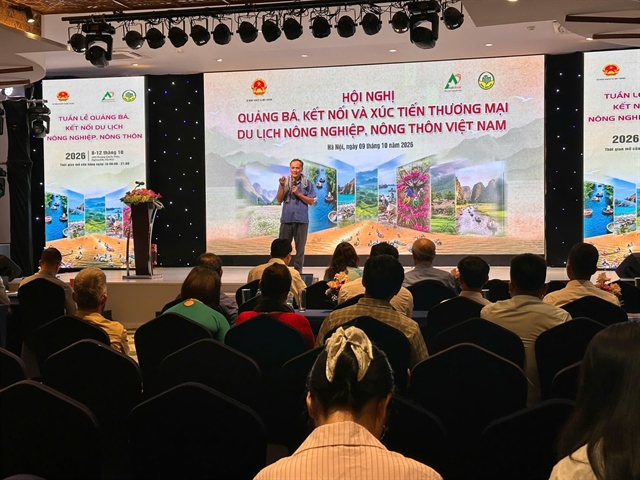
Director of the Vĩnh Long Province's Department of Culture, Sports and Tourism Dương Hoàng Sum said the travel mart was an important event for Mekong Delta provinces to introduce their tourism potential and strong points to markets.
"The Mekong Delta region possesses a unique appeal offering distinct experiences for tourists through our abundant tourism potential," Sum told Việt Nam News.
"We have potential to develop a wide range of tourism products – from orchard and garden ecotourism, river landscape experiences, environmental and nature-based tourism, conservation, research and leisure travel, to cultural tourism, festivals, and traditional craft villages.
"We also hold strong advantage for high-quality coastal and island tourism, while offering extensive opportunities to connect tours and travel routes with other regions across the country, as well as to expand international cooperation with countries in the Mekong sub-region.
“We are facing a new opportunity to transform our existing potential into a global competitive advantage. To achieve this, regional connectivity is a key. A journey through bustling floating markets, lush mangrove forests, craft villages, along with the genuine and hospitable nature of the people will create a complete experience, positioning the Mekong Delta tourism brand on the international map.
"This conference is the place where we connect, share, and act to bring benefits to the community and satisfaction to tourists," he said.
|
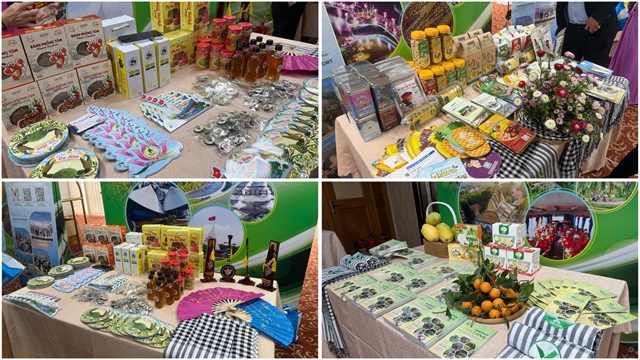
| Products of Mekong Delta region on display at the Việt Nam International Travel Mart 2026. Photo Vietnam Travel |
He added that, within the broader panorama of the Mekong Delta, Vĩnh Long stands out as a highlight thanks to its commitment to green, smart, and sustainable tourism development rooted in distinctive cultural values, following the spirit of Resolution No. 80-NQ/TW of the Politburo on cultural development.
Located between the Tiền and Hậu rivers, Vĩnh Long offers unique experiences in ecotourism, community tourism, and rural culture. In particular, the unique combination of lush coconut landscapes, Khmer culture, and red ceramic brick heritage has shaped a signature tourism product, helping promote the image of the land and people of the Mekong Delta.
At the conference, delegates highlighted numerous obstacles that slowed tourism development in the region, leading to only modest economic returns despite rising visitor numbers. Among the key challenges is the shortage of high-value, distinctive, and internationally recognised tourism products. The similarity of offerings across destinations often leaves visitors feeling there is little to differentiate one place from another. In addition, limitations in infrastructure and service quality remain major barriers to growth.
Deputy Director of the Việt Nam National Authority of Tourism (VNAT) Nguyễn Thị Hoa Mai proposed several solutions to strengthen the competitiveness of tourism in the Mekong Delta, helping the region stand out amid increasingly fierce competition from neighbouring countries.
"The Mekong Delta enjoys a remarkable advantage thanks to its dense network of rivers and canals, biosphere reserves, national parks, and rich diversity of cultures, ethnic communities, religions, and traditional festivals. These strengths create a distinctive appeal for the region’s tourism sector, while also underscoring the importance of overcoming existing obstacles and challenges to fully develop signature tourism products – particularly river-based tourism and floating markets," said Mai.
"The Delta is currently one of the seven key tourism regions in the country, possessing a rich tourism ecosystem and distinctive cultural identity. Furthermore, regional linkages are being increasingly promoted through specific cooperation programs between localities within the region and major tourism centres."
|
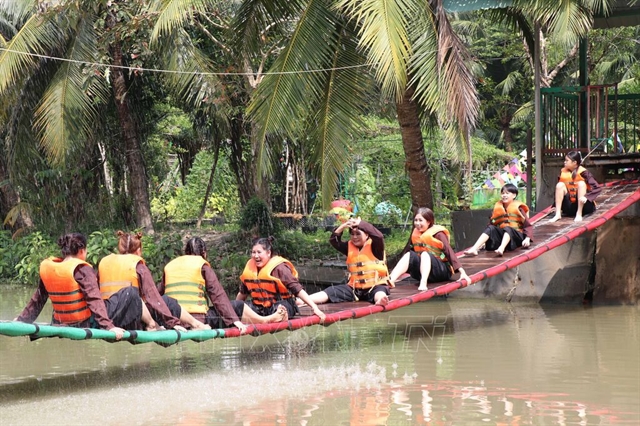
| Eco and green tourisms are two of different products offered when visitors come to Mekong Delta. |
Accordingly, the region needed to build an ecosystem of experiential tourism products, shifting strongly from individual products to distinctive, green, and sustainable products to anticipate the global trend of "green living, slow living".
The Mekong Delta also needed to learn from the experiences of other countries to increase the length of stay and spending of tourists, thereby making a substantial contribution to GDP.
The tourism industry needed to strongly propose to the competent authorities to invest in infrastructure and services, creating transportation routes that connect the entire region.
It was essential to clearly position the Mekong Delta’s brand on the tourism map of Việt Nam and the wider region. Only by establishing a distinct identity and defining its core differentiating factors could the region effectively determine product pricing, target markets, and strengthen its competitive edge.
The VNAT would work closely with localities, associations, and businesses to help remove obstacles in mechanisms and policies, while placing special emphasis on training and skills development for tour guides and personnel engaged in community-based tourism. — VNS
Life & Style
 Life & Style
 Life & Style
 Life & Style
 Life & Style
 Life & Style
 Life & Style
 Life & Style
 Life & Style
 Life & Style
 Life & Style
 Life & Style
 Life & Style
 Life & Style
 Life & Style