 Environment

Việt Nam has five Halal certification bodies recognised by Malaysia
1.
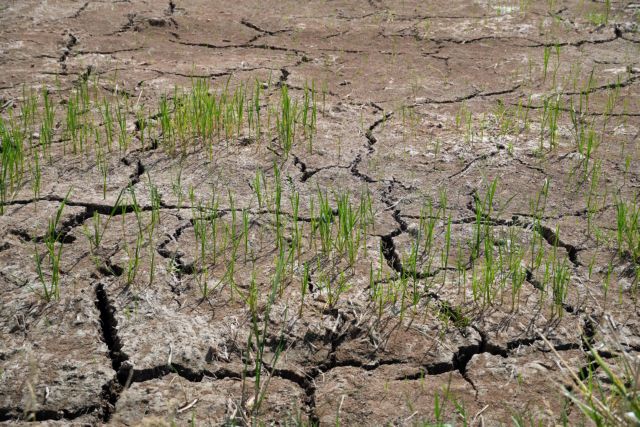 |
| Cracks appear in a rice field due to water shortages in Thạch Khê Commune, Hà Tĩnh Province. VNA/VNS Photo Hữu Quyết |
HÀ NỘI — Both Vietnamese and international forecasters have warned that the current El Nino is likely to strengthen into a very strong event through the end of 2026 and persist into early 2027, raising the risk of drought, saltwater intrusion and severe disruptions to agricultural production.
According to the latest update released by the Ministry of Agriculture and Environment, the National Centre for Hydro-Meteorological Forecasting and international meteorological agencies are now in agreement that the 2026 El Nino is developing rapidly and could reach an intensity comparable to, or even exceeding, the historic 2015–16 event.
El Nino is expected to bring widespread rainfall deficits and prolonged heatwaves in the coming months, with precipitation forecast to fall by 10–50 per cent across large areas.
Reduced rainfall is likely to significantly lower reservoir water levels, threatening both energy security and downstream water supplies.
Water shortages and prolonged drought are expected to place substantial pressure on agricultural production, particularly the 2026 summer-autumn crop in the central region, while also threatening livelihoods and the cultivation of rice, fruit trees and aquaculture in the south.
In the Mekong Delta alone, drought and water shortages could affect around 350,000 hectares of winter-spring rice, the ministry said.
Despite forecasts of a below-average tropical cyclone season, with only eight to 10 storms expected in the East Sea (internationally known as the South China Sea), forecasters warned that stronger storms with unusual and unpredictable tracks would remain a significant risk.
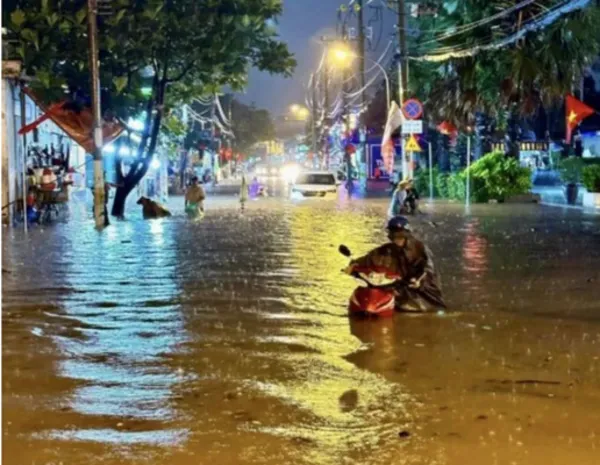
Although overall rainfall is expected to decline, Việt Nam could still experience 16 to 19 episodes of heavy rainfall nationwide. Flood peaks on small rivers in the northern region and on rivers stretching from Quảng Trị to Đắk Lắk were forecast to reach dangerous levels, equivalent to Levels 2 and 3 on the national flood warning system, increasing the risk of flash floods, landslides and inundation.
The ministry said it was continuously updating assessments and disaster forecasts to help ministries, sectors and local authorities adjust response plans in a timely and effective manner.
The ministry has urged local authorities to develop medium- and long-term plans to secure domestic water supplies, regularly monitor both the quantity and quality of water resources, and prepare detailed water allocation plans for different drought and saltwater intrusion scenarios.
Where water shortages become severe, localities have been advised to seek approval from competent authorities to temporarily exceed licensed water extraction limits to ensure adequate supplies for residents.
The ministry also called on local governments to strengthen public communication on the evolving El Nino conditions and provide practical guidance to communities and businesses on water conservation measures to mitigate the impacts of the prolonged dry spell. — VNS
Environment
 Environment
 Environment
 Environment
 Environment
 Environment
 Environment
 Environment
 Environment
 Environment
 Environment
 Environment
 Environment
 Environment
 Environment