 Environment

LANDMARK Launches ‘Destination CENTRAL’: A District-Wide Invitation to Explore the Dynamism, Luxury, and Soul of Central
1.
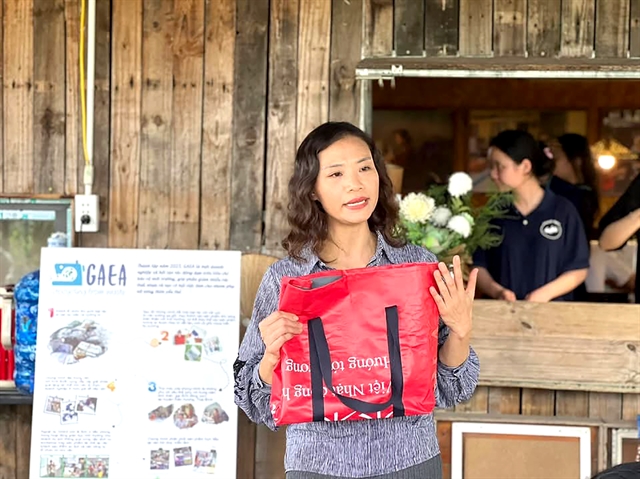 |
| Đỗ Diệu Linh, founder of the social enterprise Gaea. VNA/VNS Photo Khánh Linh |
HÀ NỘI — In a modest workspace tucked inside Hà Nội, materials once dismissed as waste are being given a second life, transformed into grocery bags, delicate hair ties and other practical eye-catching items.
Behind this initiative is Đỗ Diệu Linh, a lecturer at Phenikaa University and founder of the social enterprise Gaea. Driven by long-standing concerns about environmental issues she has steadily built a recycling model that converts discarded materials into products that are both functional and aesthetically appealing. More importantly the model creates jobs and provides stable incomes for vulnerable workers.
Giving waste a second life
Linh’s interest in environmental protection, green living and sustainable development dates back to her university years. Her involvement in projects on marine conservation, forest protection and EU-supported environmental programmes gradually shaped not only her thinking but also her lifestyle.
In 2015 after the birth of her third child she paused her teaching career to focus on her family and began experimenting with eco-friendly products. Her first attempts were biodegradable cotton baby carriers developed under limited production conditions.
By 2018 prompted by friends to find alternatives to plastic bags Linh began collecting discarded advertising banners and misprinted posters from printing workshops. Her first recycled shopping bag completed in just 20 minutes marked a turning point offering a clearer direction and inspiring the early concept of what would later become Gaea.
Building on that initial success she expanded into other recycled products such as document holders and lunch bags combining hiflex tarpaulin with surplus fabric to enhance both design and usability. However the material soon revealed its drawbacks: brittle and prone to cracking, it compromised product durability despite the labour-intensive handmade process.
“I found myself torn between continuing and stopping,” Linh said. “If I continued I couldn’t be fully confident in the quality. If I stopped it felt like a waste of a good idea with steady orders.”
When the COVID-19 pandemic struck Linh and her team decided to discontinue hiflex-based products altogether and search for more suitable materials. After extensive testing they turned to canvas tarpaulin valued for its strength, durability and machine-washable properties.
The transition however brought new challenges: the material’s stiffness, inconsistent sizes and the need for manual cutting made mechanisation difficult. Many workshops declined to cooperate due to the demanding workload and modest returns.
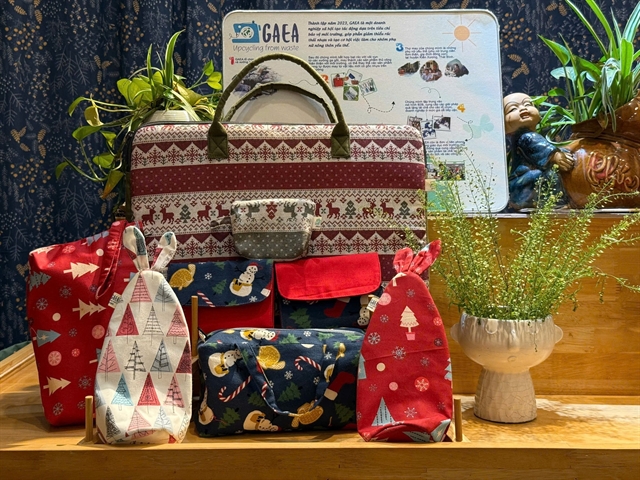 |
| Eco-friendly products made by Gaea. Photo courtesy of Đỗ Diệu Linh |
Undeterred, Linh returned to her husband’s hometown in Thái Bình Province (now part of Hưng Yên Province) where she patiently trained local workers to adapt to the new material.
In 2023 she and her partners officially established Gaea as a social enterprise marking a shift from small-scale experimentation to a more structured operation.
A year later the initiative gained wider recognition in innovation and start-up circles. Gaea was named among the top 20 projects at the Plastic Circular Innovation Challenge (PCIC) and among the top 60 women-led start-ups at Techfest Việt Nam earning a place in the Techfest 2024 yearbook.
These milestones helped Gaea expand its network of production partners and gradually position itself as a provider of solutions aligned with extended producer responsibility.
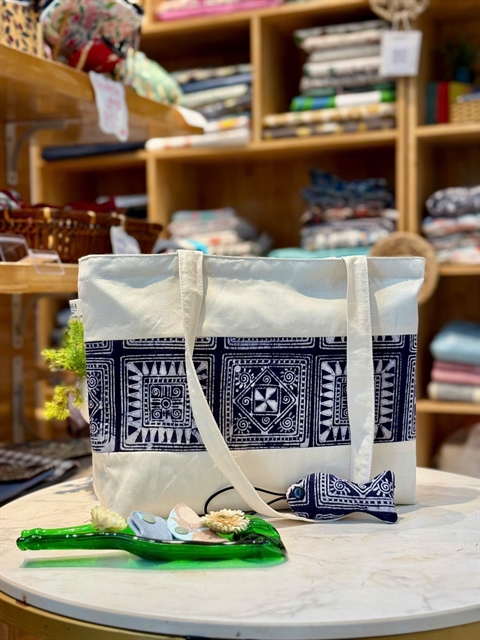 |
| Gaea offers a diverse range of recycled products, including bags made from used plastic, clothes and bedding made from misprinted canvas paintings. Photo courtesy of Đỗ Diệu Linh |
Today, Gaea offers a diverse range of recycled products, including bags made from used plastic. Collected plastic is cleaned and heat-pressed into a durable new material suitable for various uses, helping reduce single-use waste.
Another product line repurposes misprinted canvas paintings into sturdy visually appealing storage bags for everyday items such as clothes and bedding.
Creating livelihoods for the vulnerable
In 2019 as the COVID-19 pandemic forced a partner workshop to shut down many older workers lost their jobs and income. Witnessing their struggles Linh reached out to them individually bringing them together and patiently retraining them in product-making.
Most had previously worked on single tasks within production lines and had never completed an entire product independently. Starting over was no small challenge. Linh guided them step by step correcting each stitch and repeating the process until they could confidently produce finished items on their own.
Today working at Gaea provides not just income but also a sense of stability for women in difficult circumstances including those caring for family members at home, single mothers or individuals no longer able to work in industrial factories.
Beyond employment Linh has partnered with social organisations to host weekly workshops for dozens of children with disabilities.
At Gaea participants learn basic sewing skills and assist in workshop activities. Some hearing-impaired individuals have become long-term collaborators helping guide visitors through sign language and handwritten notes. These interactions offer them opportunities to communicate in their own ways and broaden their world.
For Linh these transformations are what give the journey its deepest meaning.
Huỳnh Trần Hạnh Dung a 22-year-old student at the Diplomatic Academy of Việt Nam who has been involved with Gaea for nearly a year said what kept her engaged was not just the experience but the impact.
“When you turn discarded materials into a finished product with your own hands it feels incredibly positive and meaningful,” she said. “More than that these products help create jobs and provide income for vulnerable people.”
After nearly a decade devoted to recycling and a green lifestyle Linh hopes more people will adopt what she calls “the habit of refusal,” refusing convenience that generates waste and resisting unnecessary consumption. In her view when such small changes become routine waste will naturally decline and individuals can collectively drive meaningful environmental change. — VNS
Environment
 Environment
 Environment
 Environment
 Environment
 Environment
 Environment
 Environment
 Environment
 Environment
 Environment
 Environment
.jpg) Environment
Environment
 Environment
 Environment