 Environment

Việt Nam qualify for 2027 AFC U17 Women’s Asian Cup
1.
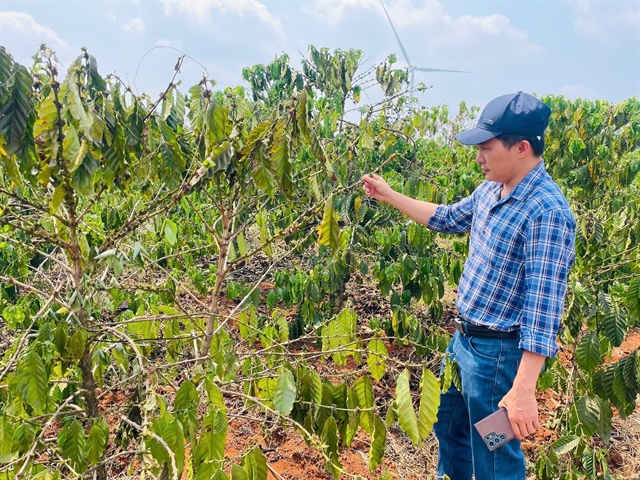 |
| Coffee plantations hit by irrigation shortages in Gia Lai Province. — VNA/VNS Photo Hồng Điệp |
HÀ NỘI — Việt Nam faces a high risk of a strong El Nino event that could bring above‑normal temperatures, prolonged dry spells and widespread water shortages from late 2026 into 2027, the Ministry of Agriculture and Environment warned in its latest assessment.
The ministry said climate monitoring and model forecasts show ENSO shifting from La Nina to neutral, with an 80-90 per cent chance of El Nino developing between June and August. The event could strengthen to moderate or strong by year‑end, and there is a 20-25 per cent chance of a very strong El Nino between October and December that may carry into 2027.
Signs are already visible: temperatures rose earlier than usual in early 2026 and nationwide rainfall from January through mid‑April was 10-40 per cent below the multi‑year average, while river flows and water levels in many basins fell to record lows for the period, signaling an early onset of water stress.
Forecasts suggest average temperatures will remain above normal with more frequent and intense heatwaves than in 2025, and rainfall shortfalls are likely to persist through the 2026 dry season and worsen from late 2026 into early 2027, commonly declining by 25-50 per cent and causing the rainy season to end earlier than usual.
River basin resources are expected to continue diminishing, with total flow on the Đà River system from May to July projected 10-25 per cent below the multi‑year average, and many basins in central region and the Central Highlands facing 15-40 per cent deficits.
The south central coast, Central Highlands and Mekong Delta are at particularly high risk of drought and saltwater intrusion, raising the possibility of widespread water shortages in early 2027.
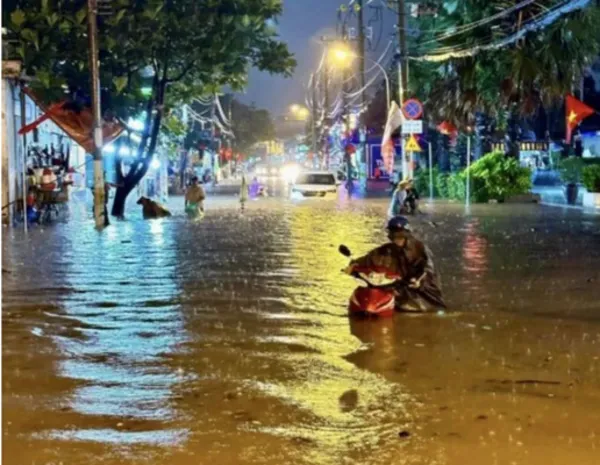
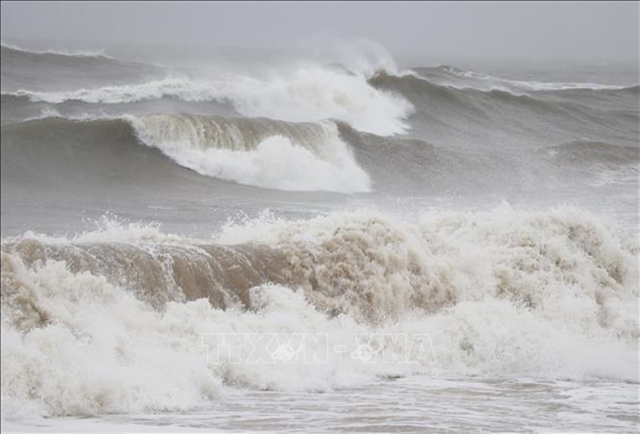
The ministry cautioned that El Nino does not eliminate the chance of intense, localised heavy rains. Short, extreme downpours could still trigger flash floods, landslides and urban inundation. Tropical cyclone activity in the East Sea (South China Sea) is expected to be below average, but strong, hard‑to‑predict storms remain a threat.
Current reservoir levels vary by region, from roughly 50 per cent to over 90 per cent of design capacity. Continued rainfall shortfalls, the ministry said, would constrain storage and water regulation in coming months.
Regional outlooks through December 2026 show likely flow deficits across many basins. The North will see reduced inflows to major reservoirs on the Đà, Gâm and Chảy rivers.
Central region and the Central Highlands face 15-40 per cent deficits in many basins; and late‑year Mekong inflows to the Delta are projected below average, raising saltwater intrusion risks.
With El Nino likely to persist into early 2027, the ministry has ordered close monitoring of ENSO and water resources and will issue timely forecasts and warnings to support government agencies and localities in planning and disaster response. — VNS
Environment
 Environment
 Environment
 Environment
 Environment
 Environment
 Environment
.jpg) Environment
Environment
 Environment
 Environment
 Environment
 Environment
 Environment
 Environment
 Environment