 Economy



Hà Nội aims to turn traditional crafts into drivers of economic growth
1.
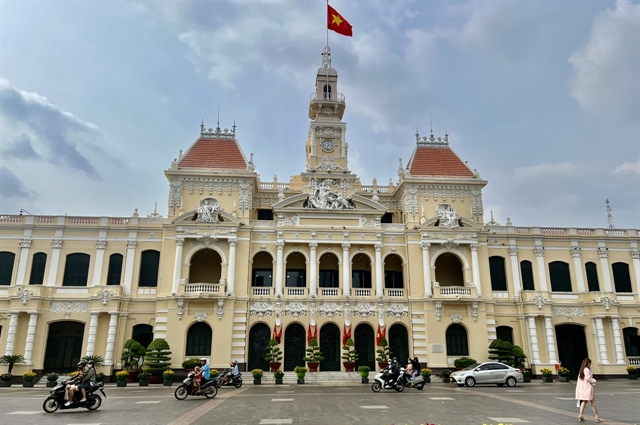 |
| The headquarters of the HCM City People's Committee. Việt Nam's commercial hub recorded economic growth of 8.55 per cent in the first half of 2026. — VNS Photo Bồ Xuân Hiệp |
HCM CITY — HCM City, Việt Nam's economic powerhouse, posted economic growth of 8.55 per cent in the first half of 2026 as strong consumer spending, recovering tourism and surging foreign investment helped offset global economic headwinds, official data showed on Friday.
The performance puts the country's largest city on track for one of its strongest years in recent memory, but officials say it will need to grow by nearly 12 per cent in the second half to achieve its ambitious target of at least 10 per cent growth for the full year.
The city, which was expanded last year through the merger of former neighbouring Bình Dương and Bà Rịa-Vũng Tàu provinces, now accounts for nearly a quarter of Việt Nam's economic output and more than one-third of state budget revenue.
Gross regional domestic product (GRDP) expanded 8.57 per cent in the first quarter and 8.53 per cent in the second quarter, according to the HCM City Statistics Office. On a comparable basis that includes the newly merged areas, the city grew 6.56 per cent in the first half of 2025.
Services remained the main engine of growth, expanding 8.89 per cent in the January–June period and contributing more than half of the overall increase in economic output.
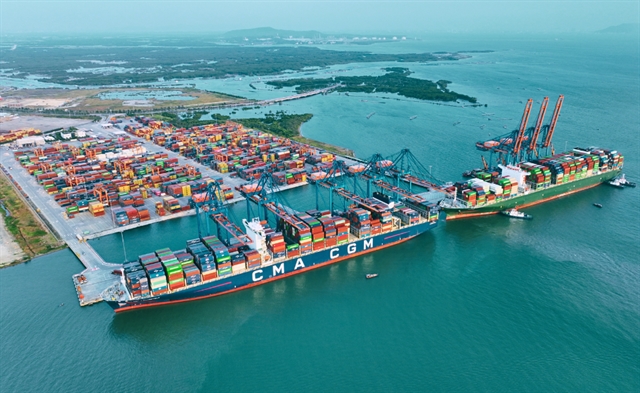
Transportation services led the gains, followed by trade and financial services, while the property sector continued to struggle.
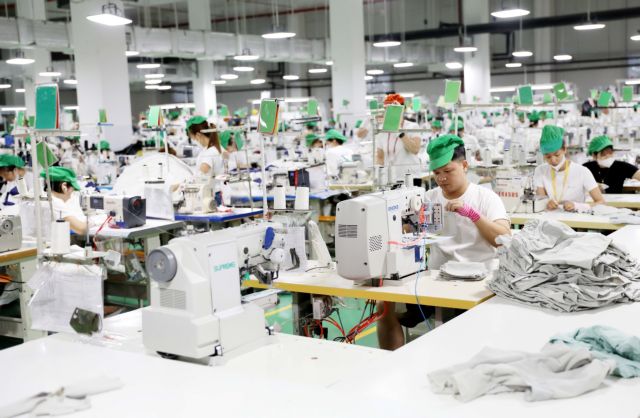
Industrial production also strengthened, with the city's industrial production index rising 11.1 per cent from a year earlier, reflecting resilient manufacturing activity despite rising costs and external uncertainties.
Foreign direct investment (FDI) emerged as another bright spot. Foreign direct investment commitments more than doubled to over US$6.8 billion in the first six months, while the number of newly registered businesses and total registered capital also increased sharply.
The stronger economic performance came despite mounting pressure from higher energy prices and global market volatility, which pushed up production, logistics and consumer costs. Consumer prices in the city rose an average of 4.41 per cent in the first half.
One major challenge remains public investment. As of late June, the city had disbursed only about one-quarter of its planned public investment budget for the year, raising concerns about delays to key infrastructure projects seen as critical to sustaining long-term growth.
Following the administrative merger that took effect in July last year, the expanded HCM City now has an economic output of about VNĐ3 quadrillion ($113.6 billion), making it one of Southeast Asia's largest metropolitan economies.
Authorities said the city's priorities for the remainder of the year include accelerating infrastructure spending, boosting domestic consumption, improving the business environment and helping companies cope with rising costs and administrative hurdles. — VNS
Economy
 Economy
 Economy
 Economy
 Economy
.jpg) Economy
Economy
 Economy
.jpg) Economy
Economy
 Economy
 Economy
 Economy
 Economy
 Economy
 Economy
 Economy