 Sci-Tech
Việt Nam urged to take cautious approach to carbon capture technology
1.
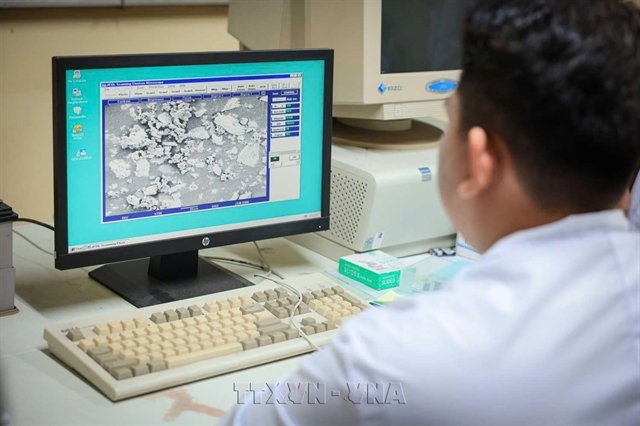 |
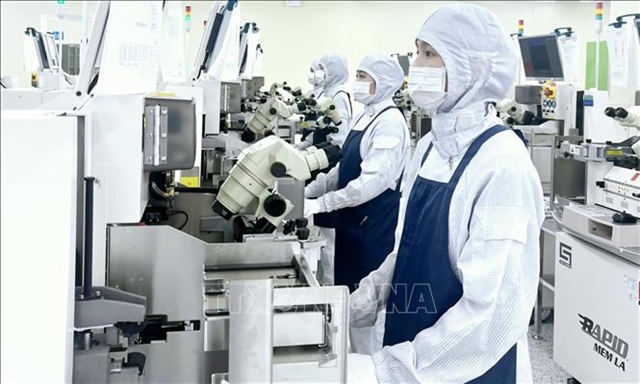
| A student at University of Science, Việt Nam National University in Hà Nội uses a scanning electron microscope (SEM). — VNA/VNS Photo Hoàng Hiếu |
HÀ NỘI — After eight years of implementation, the Programme for the Development of Basic Sciences in Chemistry, Life Sciences, Earth Sciences and Marine Sciences for the 2017-2025 period, known as Programme 562, has laid an important foundation for basic research in Việt Nam. It has helped develop scientific talent and research groups, improve the quality of international publications, and generate research results with practical applications.
The results have highlighted the need for long-term investment, shared research infrastructure and more suitable funding mechanisms to enable basic sciences to continue providing the knowledge base for breakthroughs in science, technology and innovation.
Targeted investment delivers results
Approved by the Prime Minister under Decision No. 562/QĐ-TTg dated April 25, 2017, Programme 562 focused on four fields: chemistry, life sciences, earth sciences and marine sciences.
Its main objectives were to develop highly qualified scientists and strong research groups, improve Việt Nam’s scientific standing in the region and the world, and promote application-oriented, interdisciplinary and multidisciplinary basic research.
The programme also aimed to help Việt Nam acquire and master advanced technologies for production and daily life.
Speaking at a conference reviewing Programme 562, organised by the Department of Social and Natural Sciences in coordination with the National Foundation for Science and Technology Development (NAFOSTED) in Hà Nội last month, Deputy Minister of Science and Technology Trần Trung Tính said the programme had largely achieved its targets.
It had helped improve Việt Nam’s research capacity and scientific standing, develop researchers and research groups, promote application-oriented basic research, and strengthen international cooperation, he said.
From 2017 to 2025, the programme implemented 96 national-level science and technology tasks, including 31 in chemistry, 29 in life sciences, 22 in earth sciences and 14 in marine sciences.
The tasks focused on priority research areas while linking basic research with practical issues such as medicine and pharmaceuticals, agriculture, the environment, natural resources, climate change, disaster prevention, and seas and islands.
One notable achievement was the improvement in the quality and international integration of research. Assessments conducted before the programme ended showed that the number and quality of international publications increased by an average of about 20 per cent annually.
Several studies by Vietnamese scientists were published in leading journals, including Science and Nature, while two Vietnamese scientific journals in chemistry and earth sciences were indexed in Scopus.
Việt Nam maintained relatively high rankings in the natural sciences, at around 38th to 50th globally, 10th to 12th in Asia, and third to fifth in ASEAN. In 2022, the Ministry of Science and Technology reported that chemistry had achieved its target of ranking third in ASEAN, while earth sciences and marine sciences ranked fourth, according to SCImago.
Programme 562 also contributed to an ecosystem covering priority research areas, commissioning and funding, human-resource training, research group development, infrastructure investment, international cooperation and research application.
Research in each field also produced notable scientific and practical results.
In chemistry, studies focused on treating hazardous environmental substances, developing new materials for medicine and pharmaceuticals, and promoting green chemistry, contributing to international commitments such as the Stockholm Convention.
In life sciences, researchers developed important databases, including a Vietnamese human genome database, genomic data for diagnosing congenital heart diseases, an environmental toxicology database, and a biodiversity database integrated into the Global Biodiversity Information Facility.
In earth and marine sciences, research with strong application potential included developing criteria for integrating ecological and climate change factors into land-use planning; identifying organic carbon reservoirs in the Red River Delta; assessing deep-seated gold mineral potential; zoning marine and island landscapes to support a green marine economy; and improving forecasts of storms, heavy rain and strong winds in central Việt Nam.
Long-term approach needed for next phase
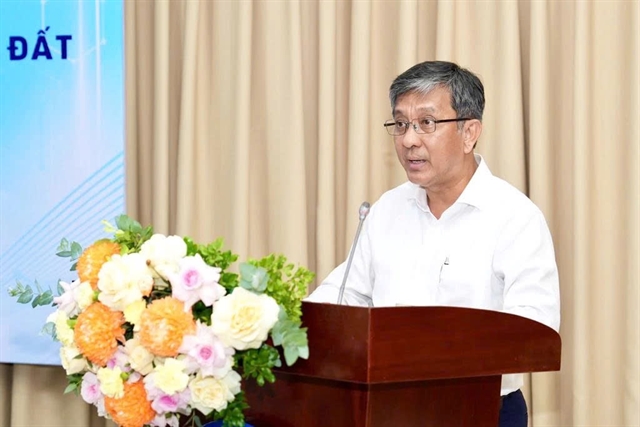 |
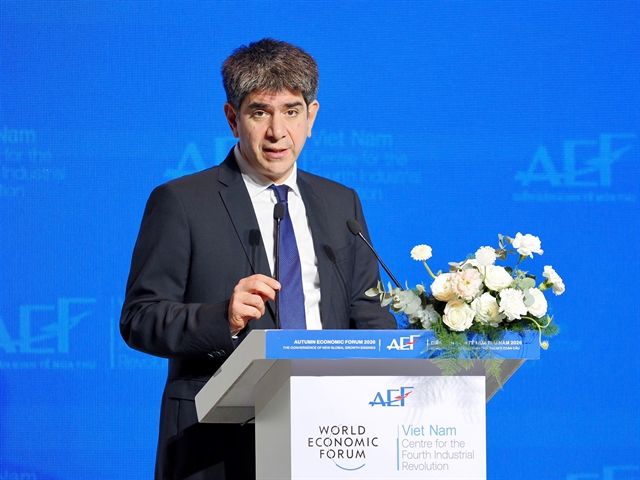
| Deputy Minister of Science and Technology Trần Trung Tính. — VNA/VNS Photo |
Experts also pointed to several shortcomings in the implementation of Programme 562, including uneven development among research fields, difficulties in maintaining the scale and continuity of some research groups, fragmented research infrastructure and equipment, unstable funding for basic research, and the limited application of some research results.
These issues show that the next phase should move beyond simply increasing the number of research tasks or publications towards deeper, longer-term investment.
The Ministry of Science and Technology is conducting a comprehensive review of basic research while developing priorities for 2026-2030, with a vision to 2035, and a national strategy for basic scientific research development through 2045.
Tính said the next phase should adopt a new approach focused on building long-term scientific capacity, concentrating resources, and placing greater emphasis on quality and international competitiveness.
Experts said future priorities should include long-term research directions based on Việt Nam’s strengths, the development of strong research groups and centres of excellence, shared research infrastructure, and highly qualified human resources.
They also called for adjustments to selection, funding and evaluation mechanisms to better reflect the specific characteristics of basic research.
Another priority is to strengthen links between basic and applied research. Mechanisms should be developed to allow promising results to receive further investment and move into suitable research and technology development programmes.
Alongside State funding, experts also called for greater mobilisation of social resources. They proposed long-term funding mechanisms, including five-to-seven-year grants for outstanding and young research groups, as well as research areas with breakthrough potential. — VNS
Sci-Tech
 Sci-Tech
 Sci-Tech
 Sci-Tech
 Sci-Tech
 Sci-Tech
 Sci-Tech
 Sci-Tech
 Sci-Tech
 Sci-Tech
 Sci-Tech
 Sci-Tech
 Sci-Tech
 Sci-Tech
 Sci-Tech