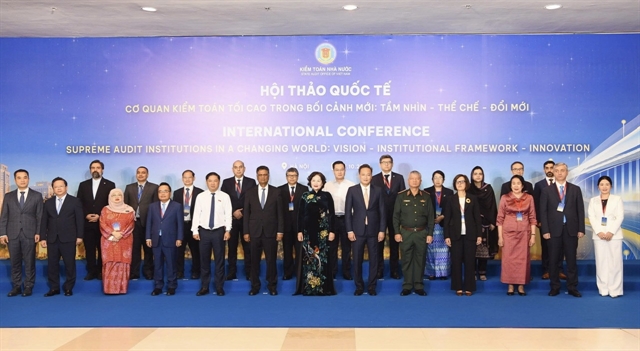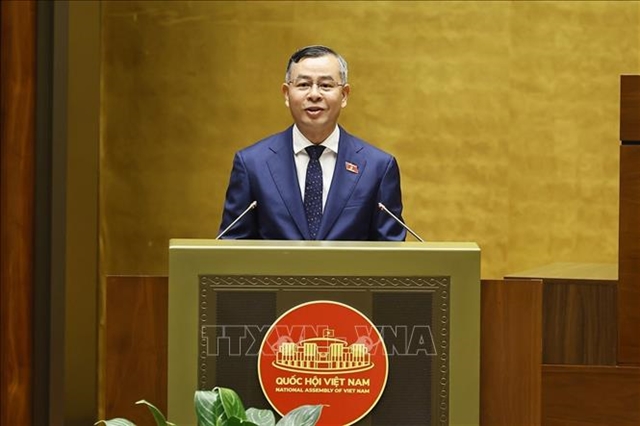
Việt Nam is committed to contribute actively to INTOSAI, ASOSAI and the ASEAN Supreme Audit Institutions (ASEANSAI), and working with partners to build a professional, transparent and effective audit community in support of sustainable development.
The draft also proposes sentence reductions for offenders who voluntarily plead guilty and cooperate with investigators, alongside new offences targeting cybercrime and emerging financial markets.
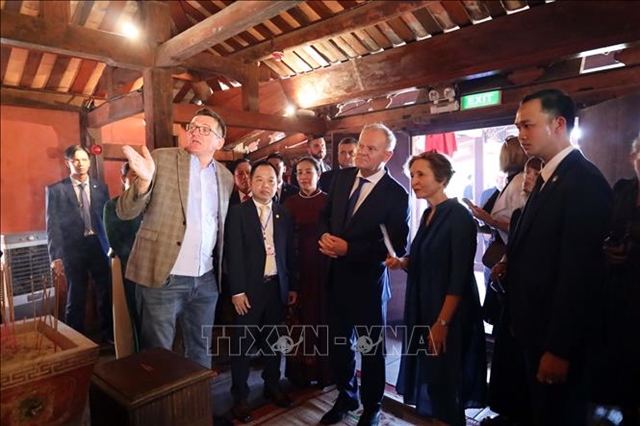
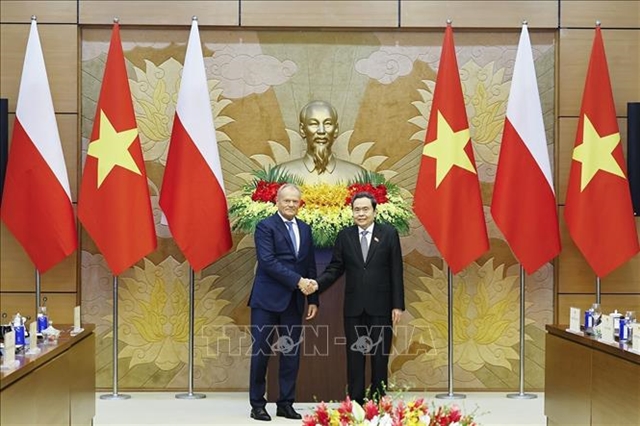
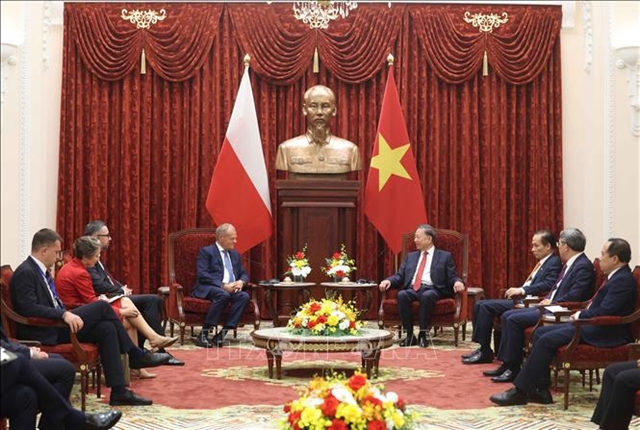
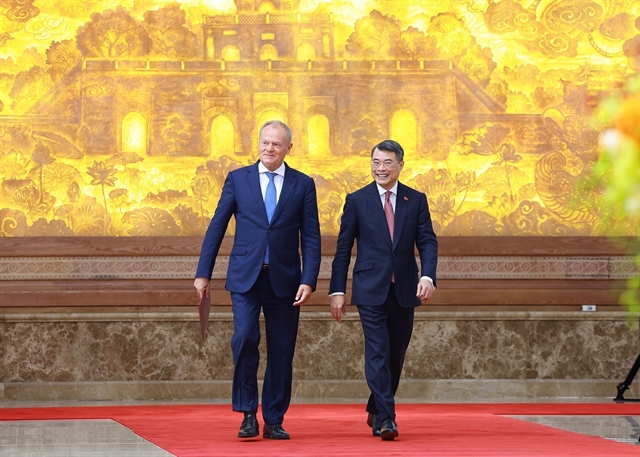
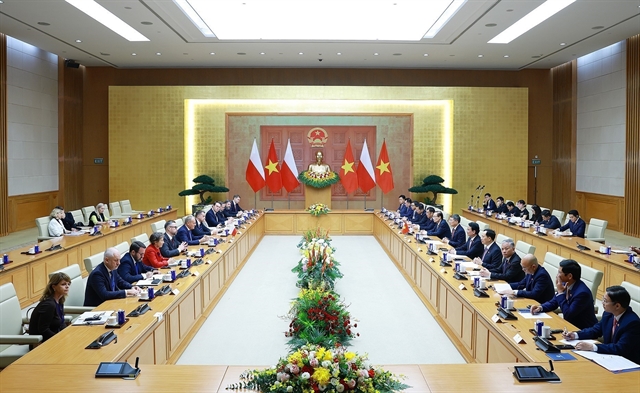
Polish Prime Minister Donald Tusk's official visit to Việt Nam sustains the positive momentum of General Secretary and President Tô Lâm's visit to Denmark, the European Union and Belgium, said Deputy Minister of Foreign Affairs Ngô Lê Văn.
Founded in Prague in 2016, the union now connects 23 countries and has run cultural, sports, scholarship, charity and homeland-oriented activities.
The draft replaces the mechanism for determining penalties for individuals committing crimes on behalf of commercial legal entities based on the proportion applicable to individuals acting independently.
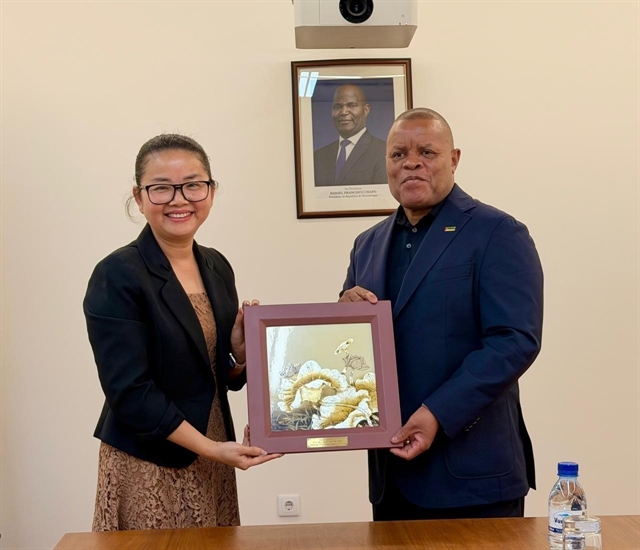
Through the intergovernmental agreement on higher education cooperation, Việt Nam has also granted scholarships and supported the training of highly qualified human resources for Mozambique in agriculture, fisheries and processing industries.
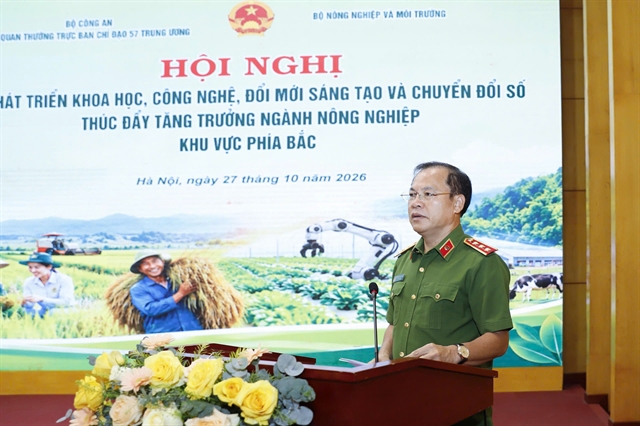
The Minister of Public Security said that the draft amended laws were based on the Party’s policies, the NA’s and the Government’s directions on decentralisation and delegation of authority, simplifying administrative procedures and creating an open business environment.
Amid complex and unpredictable regional and global developments, strengthening political trust, coordination and mutual support between the two parties and countries is essential to maintaining a peaceful and stable environment for national construction and protection on each side.
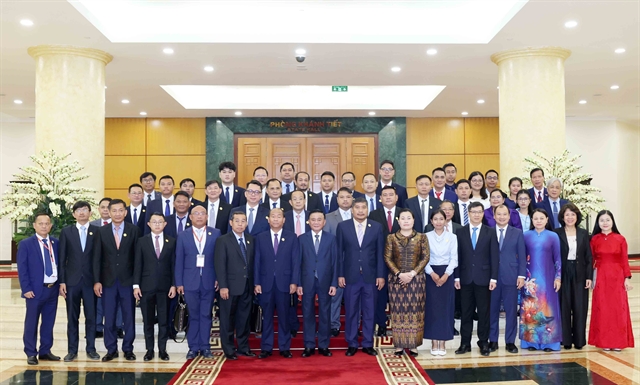
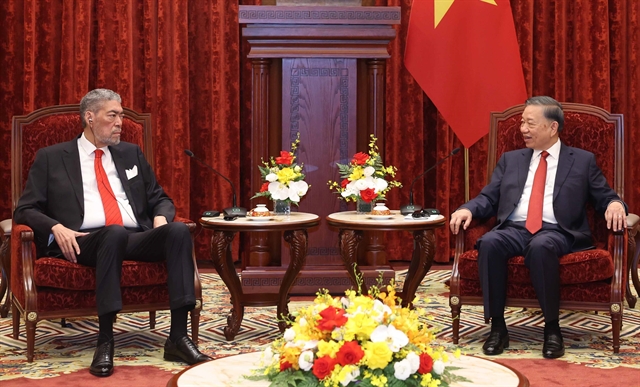
Both host and guest agreed to further coordination in promoting the exchange of delegations and political dialogue at all levels between the two Parties and countries; strengthen mutual understanding and political trust between the MIU and other major political parties in the Dominican Republic, and the Communist Party of Việt Nam; and closely coordinate in external information and communications, as well at multilateral forums for political parties.
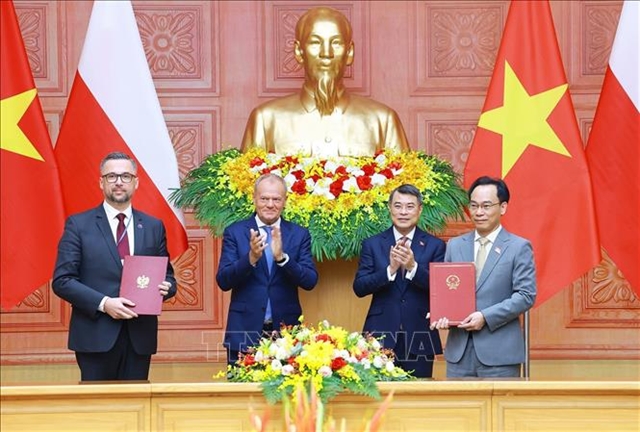
PM Lê Minh Hưng hosted the official welcome; held talks, a press briefing and banquet for PM Tusk. The two leaders witnessed the exchange of cooperation documents and addressed the Việt Nam-Poland Business Conference.
Việt Nam is accelerating efforts to improve its legal system, ensure effective administrative restructuring, renew its development model and enhance economic competitiveness, with the aim of achieving rapid and sustainable national development.
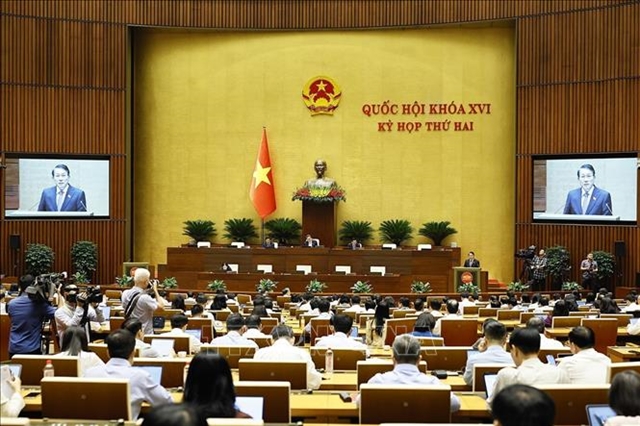
Questions will extend to solutions to spurring growth, improving the investment climate and easing financing, production and business costs, administrative procedures and business conditions for companies, households and individual operators.
The Vietnamese leader urged the two sides to seize opportunities and make breakthroughs in bilateral cooperation, with the goal of raising two-way trade to US$6 billion at an early date in a balanced, sustainable and mutually beneficial manner.
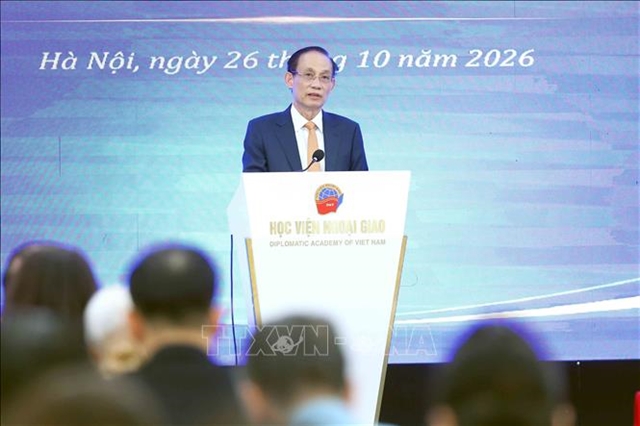
In his speech, Minister of Foreign Affairs Lê Hoài Trung said the Party and State leader wants comprehensive diplomacy at a new height that matches Việt Nam’s historical and cultural stature and standing.
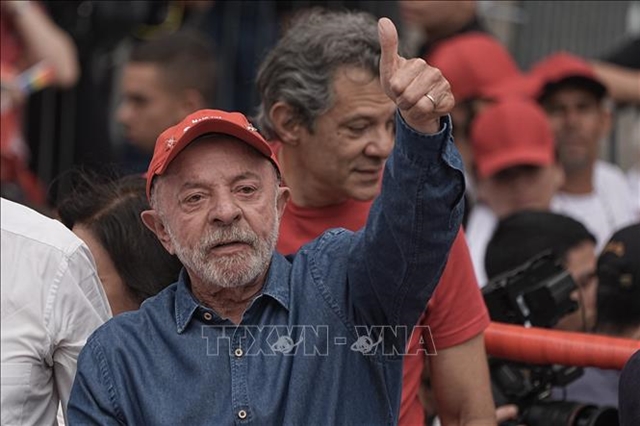
General Secretary of the Communist Party of Việt Nam Central Committee and President Tô Lâm and Prime Minister Lê Minh Hưng on Monday sent congratulatory messages to Luiz Inácio Lula da Silva on his re-election as President of Brazil for the 2027-2031 term.
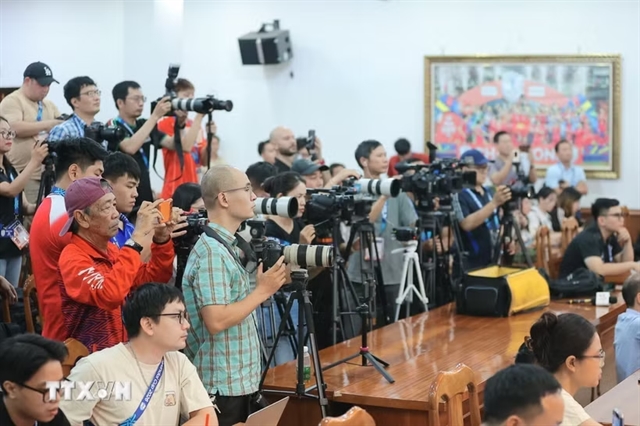
Government Decree 262/2026/ND-CP sets out new requirements for press activities conducted by foreign journalists, press agencies, diplomatic missions and organisations in Việt Nam, covering press permits, reporting procedures and regulatory oversight. Below is Part 1 of the decree.
Both sides agreed to strengthen educational cooperation between the two countries, including through the conclusion of cooperation agreements, the exchange of experience among universities, research institutes, experts and students, and the teaching of Vietnamese and Polish at universities.
The two countries should make full use of their respective positions as gateways to the EU and ASEAN markets. They agreed to create favourable conditions for businesses from both countries to enter each other’s markets, particularly in railways, aerospace, information technology, cybersecurity, processing and manufacturing, and pharmaceuticals.