 Politics & Law

Vietnamese scientist wins ASEAN-US Science Prize for Women
1.
 |
| Students learn about the election of deputies to the 16th National Assembly and People's Councils at all levels for the 2026-31 term through digital information channels, at Nha Trang University. —VNA/VNS Photo Nguyễn Thành |
KHÁNH HÒA — Authorities in the coastal central province of Khánh Hòa are stepping up communication efforts targeting young voters ahead of polling day on March 15, as the province prepares for elections to the 16th National Assembly and People’s Councils at all levels for the 2026–31 term.
The initiative focuses on helping younger residents across the province, including university students, better understand their rights and responsibilities so they can actively participate in the ballot.
The effort is being carried out through a wide range of formats, both in person and online. In particular, digital information channels on the election are being widely disseminated.
In the lead-up to polling day, Nha Trang University has organised information sessions on the election for more than 16,200 students.
According to Đỗ Quốc Việt, head of the Student Affairs Office at the university, information on the significance and importance of the election, key milestones and the criteria for National Assembly deputies and People’s Council members is regularly updated through various channels, including the media, the university’s website and its fanpage.
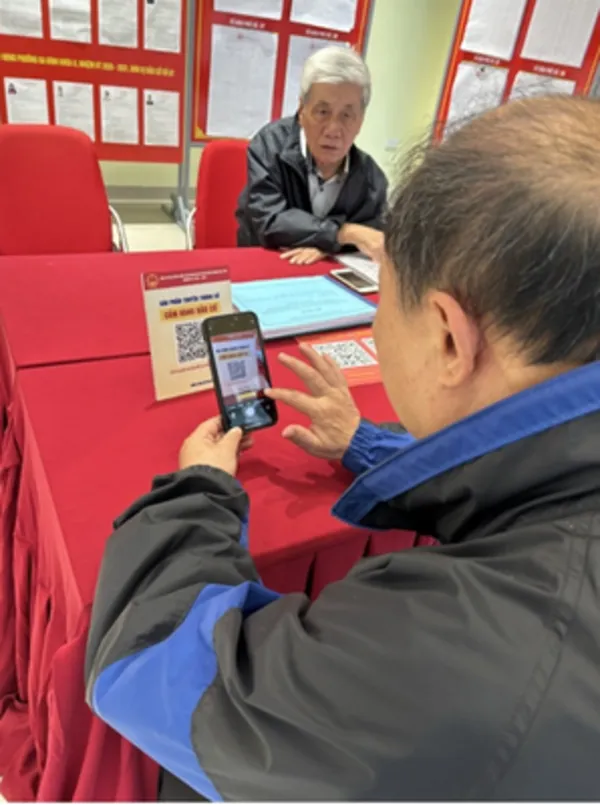
Students are guided on how to look up their polling stations via the VNeID application, learn about citizens’ rights and obligations when participating in elections and access information on the action programmes of candidates.
Communication activities are also integrated into Youth Union programmes and events marking Youth Month at the university.
Nguyễn Thanh Thanh Huyền, a student from the Finance and Banking class at the university, said that as a voter she hoped deputies to the National Assembly and People’s Councils in the new term would listen to and understand the people and speak on their behalf.
“Particularly for young people and students, I hope the deputies will pay greater attention to policies that promote education, create opportunities for students to study, develop their skills, seek employment and start businesses, thereby enabling the younger generation to contribute more actively to the country’s sustainable development,” Huyền said.
In mountainous communes of the province, where many Chăm and Raglai ethnic communities live, election communication campaigns are also being carried out in ways suited to local conditions.
According to the head of Bác Ái Tây Commune, the commune currently has 6,789 voters across nine polling stations.
Information about the significance and importance of the election is conveyed in a straightforward and accessible manner through the grassroots loudspeaker system, Youth Union and association meetings, direct outreach in villages and the press and social media.
Through these efforts, many young voters have received timely information and have been encouraged to vote by family members and relatives.
Pinăng Thị Nguyệt, a young resident of Tà Lọt Village in the commune, hopes to select representatives who are capable, regularly engage with the public, understand the lives of ethnic communities and are committed to preserving and promoting traditional cultural values.
She hopes that once elected the deputies will pay greater attention to policies supporting socio-economic development in mountainous areas, particularly by improving access to education, employment and infrastructure.
“This would help raise living standards for residents, especially the younger generation,” she said.
Promoting digital technology
Alongside the expansion of outreach activities, the province is strengthening the use of digital platforms in election communication.
Based on election-related materials, the media system and relevant authorities have developed numerous infographics introducing the number of electoral units, polling locations and brief biographies of candidates. These are published on the province’s official information portal.
Documents and election-related information are also shared on social media platforms such as Zalo and Facebook to reach a wider audience.
Many voters in the province say they have already arranged their work schedules on March 15 so they can join voters nationwide in casting their ballots, hoping to select worthy representatives who will help improve the effectiveness of the National Assembly and People’s Councils at all levels for the 2026–31 term.
Data from the National Election Council show that the province has 20 candidates running in four electoral units to elect 12 deputies to the 16th National Assembly.
For the election of deputies to the provincial People’s Council for the 2026–31 term, 108 candidates are competing for 67 seats, while about 1,392 People’s Council deputies are expected to be elected at the commune level.
The provincial Election Committee said all 65 communes, wards and special administrative zones across the province had completed the public posting of the voter list, which includes more than 1.6 million eligible voters.
The province had also established four election boards for National Assembly deputies, 19 boards for provincial People’s Council deputies and 387 boards for commune-level People’s Council deputies.
In addition, 1,123 polling stations had been approved, corresponding to 1,123 election teams. Training sessions on election procedures, vote counting and the preparation of vote tally reports had also been organised for local authorities and units responsible for election tasks at the grassroots level.
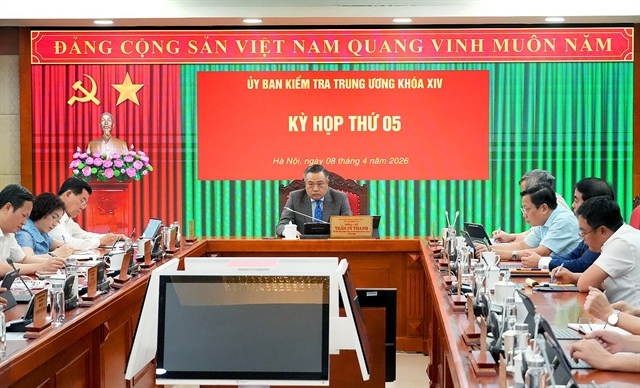
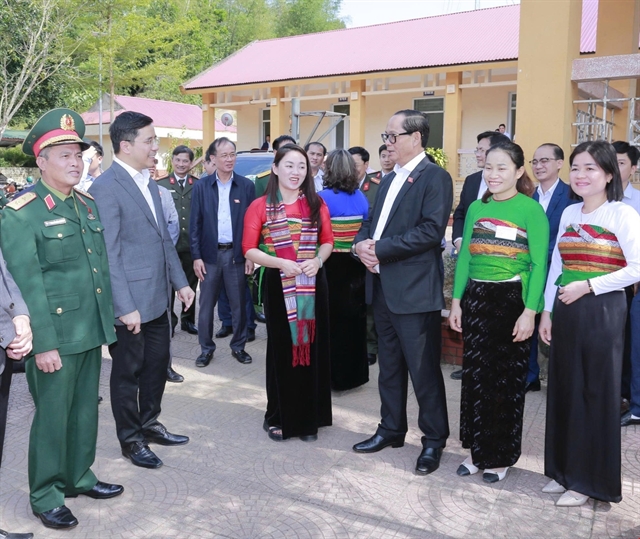
Recently, Inspection and Supervision Delegation No. 25, led by Trần Sỹ Thanh, Politburo member, Secretary of the Party Central Committee, Chairman of the Central Inspection Commission and member of the National Election Council, conducted a working visit to the province.
The delegation acknowledged and commended local Party committees and authorities for effectively carrying out election communication and thoroughly preparing facilities, equipment and other conditions necessary to ensure a safe and smooth election. — VNS
Politics & Law
 Politics & Law
 Politics & Law
 Politics & Law
 Politics & Law
 Politics & Law
 Politics & Law
 Politics & Law
 Politics & Law
 Politics & Law
 Politics & Law
 Politics & Law
 Politics & Law
 Politics & Law
 Politics & Law