 Features
PM sets target to launch Long Thành airport operations by late 2026
1.
Thanh Nga and Nguyên Linh
In Quảng Trị Province, agricultural tourism fused with community-based tourism is emerging as a vital new livelihood for rural people.
From rice paddies and orchards to mountain hamlets, the province is turning agricultural assets and local culture into tourism experiences that generate income and open a viable path to sustained poverty reduction.
Agricultural tourism in Quảng Trị goes beyond sightseeing and farm chores. It blends agricultural production, cultural heritage, and visitor services: homestays, local cuisine, hands-on activities, and sales of farm products. This diversification reduces rural households’ dependence on risky, single-source farming incomes and creates multiple revenue streams.
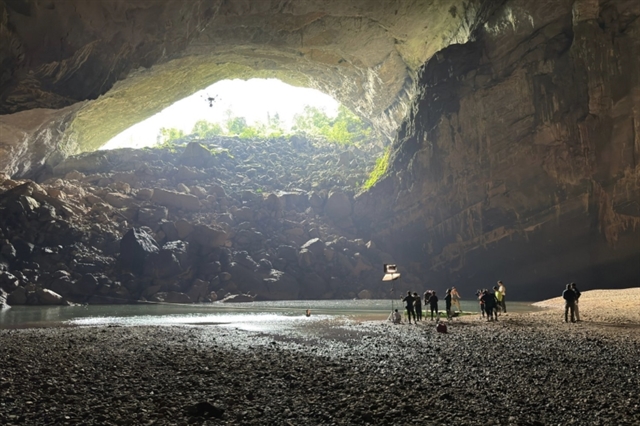
Localities across the province have recognised this potential and are developing agricultural-community tourism as a strategic avenue to diversify livelihoods. Tân Hóa Village in Kim Phú Commune is a striking example. Once known as a flood epicentre of central Việt Nam, Tân Hóa has transformed into a global model. It was named Best Tourist Village in the World in 2023 by leveraging its agriculture, karst caves, adaptive flood-resilient floating houses, and authentic rural experiences. Visitors come for cave exploration, farm stays, local dishes, and the novelty of life on the water.
Tân Hóa now receives more than 10,000 visitors a year, about 80 per cent of them international. Tourism has multiplied local incomes: average per-capita income rose to roughly VNĐ42 million (US$1,600) in 2024, and poverty rates have fallen sharply. It is clear evidence that agricultural tourism, when linked with community participation, can create sustainable livelihoods.
“Agricultural tourism is a multi-valued economic model, especially suitable for places that retain agricultural production and cultural identity,” said Nguyễn Đức Tân, Director of the Investment, Trade and Tourism Promotion Centre of Quảng Trị Province.
Investors are increasingly interested in the province’s western highlands, where cool climates, flower gardens, wind farms, and striking landscapes offer strong tourism potential. Many households have begun developing farms as tourist attractions, turning fields into check‑in points that attract visitors and revenue.
“When farmers both produce crops and offer tourism services, the economic value increases significantly. This hybrid approach reduces reliance on pure agriculture and creates more stable livelihoods,” Tân noted.
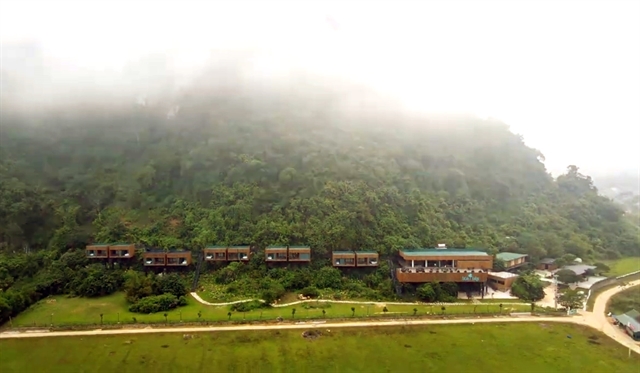 |
| Tân Hóa was named World's Best Tourist Village in 2023 thanks to the development of flood-adaptive agricultural tourism. — VNS Photo Nguyên Linh |
Fresh opportunities
Agricultural tourism has also opened livelihoods for ethnic groups in Quảng Trị’s highlands. In Rum Ho Village in Kim Thủy Commune, inhabited mainly by the Bru – Vân Kiều, residents once depended on forest extraction and small livestock.
With training and support, they have shifted towards agro-ecological tourism such as planting and harvesting activities, traditional food processing, homestays, stream bathing, and herbal foot baths. These activities generate income and strengthen awareness of forest protection and environmental stewardship.
Across the western communes, themed models have multiplied - flower fields, scenic wind farm drives, and cultural-heritage tourism highlighting the Vân Kiều and Pa Cô identities. In Chênh Vênh Village in Hướng Phùng Commune, renovated stilt houses serve as homestays where visitors join upland farming and enjoy dishes prepared from local produce. These initiatives not only reduce poverty but also help preserve ethnic culture.
The Khe Sanh Agricultural Products Co-operative, led by Nguyễn Thị Hằng, manages about 100ha of THA1 Arabica coffee cultivated by eight household groups, including 46 poor ethnic-minority households in Bụt Việt Village. The co-operative has built a coffee-processing facility producing top-quality products and created visitor-friendly farms for overnight stays.
Linking agricultural tourism with certified products expands jobs and income opportunities, especially for young people, and supports sustainable poverty reduction in minority areas.
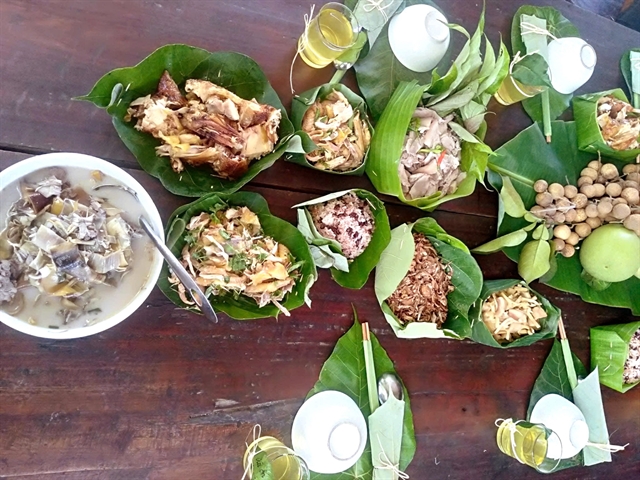 |
| The dishes of the Vân Kiều people in Chênh Vênh Village. — VNS Photo Nguyên Linh |
Sustained gains
Hồ Văn Hoan, Deputy Director of the Department of Culture, Sports and Tourism said: “Practical implementation shows that agricultural and community tourism bring clear economic and social benefits in rural and ethnic-minority areas.”
Hoan affirmed that besides income, these models preserve culture, raise environmental awareness, and reduce pressure on forests, which are key components of green tourism tied to sustainable poverty alleviation.
A major catalyst has been the One Commune One Product (OCOP) programme. Signature local products such as Khe Sanh Arabica coffee, Hải Lăng and Triệu Phong organic rice, and others have become tourism specialties that visitors can taste, buy, and experience on-site.
The Department of Agriculture and Environment, led by Deputy Director Trần Đình Hiệp, has prioritised rural infrastructure, better transport links, OCOP brand development, and entrepreneurship that ties agriculture to tourism. These investments boost product value, broaden markets, and create livelihoods, forming a foundation for professional tourism.
Tân, Director of the Investment, Trade and Tourism Promotion Centre of Quảng Trị Province, added that beyond income, agricultural tourism shifted rural mindsets from single-track production to a multi-value economy. "When local people become active agents in tourism, they are more motivated to protect resources, preserve culture, and invest for the long term."
Quảng Trị plans to continue promoting investment, partnering with travel agencies, and building tourism products linked to historical sites and OCOP-certified items to raise destination value and competitiveness.
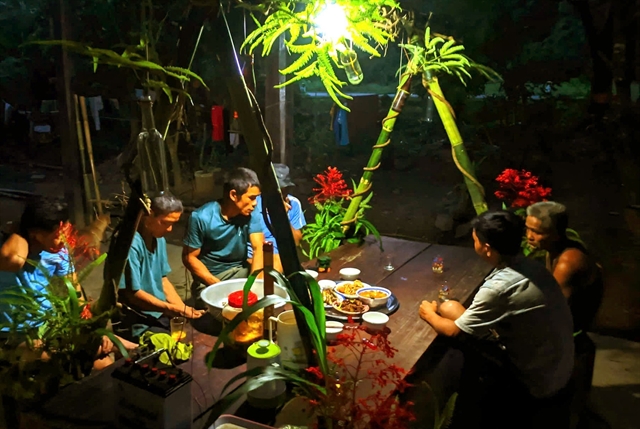 |
| When farmers both produce agricultural products and provide tourism services, the economic value is significantly increased. — VNS Photo Nguyên Linh |
With fertile land, rich cultural diversity, and coordinated efforts from government, businesses, and communities, agricultural tourism is emerging as a realistic route out of poverty for Quảng Trị’s rural areas, creating livable communities that balance economic growth with the preservation of traditional values. — VNS
Features
 Features
 Features
 Features
 Features
 Features
 Features
 Features
 Features
 Features
 Features
 Features
 Features
 Features
 Features