 Society
Việt Nam's top leader sends condolences to Spain over deadly train accident
1.
|
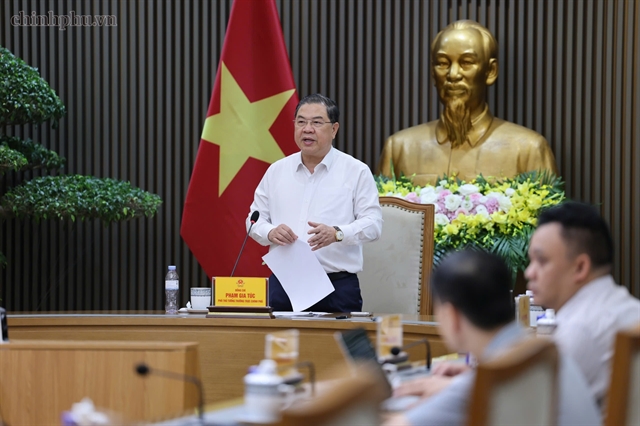
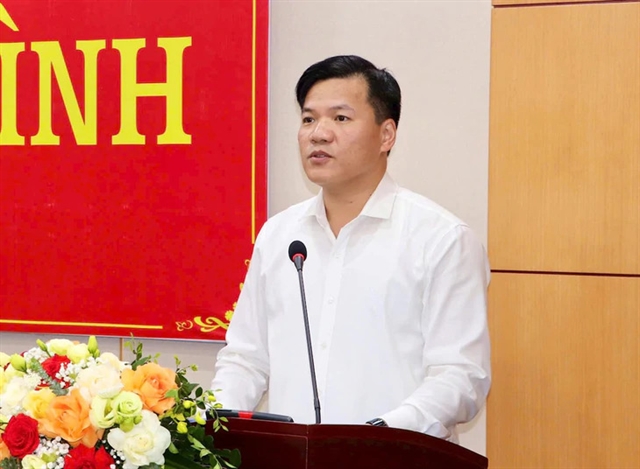
| Deputy Prime Minister Phạm Gia Túc chaired a cabinet meeting on Gia Bình International Airport on October 29. — Photo from the Việt Nam Government Portal |
HÀ NỘI — Deputy Prime Minister Phạm Gia Túc has directed ministries and local authorities to review transport plans for Gia Bình International Airport, with Hà Nội tasked with studying a direct rail connection between the airport and the capital’s centre.
At a meeting on Thursday, Deputy PM Túc stressed that transport infrastructure serving the airport must be planned as part of an integrated regional network, avoiding isolated investments that could undermine connectivity.
The Ministry of Construction will lead a comprehensive review of transport links between the airport, Hà Nội and neighbouring economic centres, coordinating with the municipal of administrations of Hà Nội, Bắc Ninh, Hải Phòng and Quảng Ninh.
According to Deputy Minister of Construction Bùi Xuân Dũng, the new airport – which is meant to relieve pressure at Nội Bài International Airport in Hà Nội and also serve security–defence and diplomatic purposes – is expected to handle 30 million passengers and 1.6 million tonnes of cargo annually by 2030, rising to 50 million passengers and 2.5 million tonnes of cargo by 2050.
Transport links are being studied along routes towards Hà Nội, the Capital Region’s Ring Road 4, Hải Phòng and Quảng Ninh, encompassing roads, urban railways, national railways and inter-regional rail services.
The capital city is considering extending urban railway Line 8 through Bắc Ninh to the airport. However, under the option currently being studied, passengers travelling to some central areas of the capital would still need to change trains.
Deputy PM Túc called for further research into a direct, seamless rail connection that would minimise detours and transfers, particularly for international travellers carrying luggage.
He also asked Hà Nội to examine the possibility of developing a central railway interchange to connect different rail lines and public transport services. Such a hub could improve passenger transfers while supporting transit-oriented development, including commercial and service facilities around stations.
The city is expected to review Line 8 and related routes, station locations, interchange hubs and connections to the airport terminals, while assessing passenger demand, economic and social benefits, investment priorities and available resources.
The review will also consider how to integrate Gia Bình with Nội Bài International Airport and the wider transport network serving the capital region.
Deputy PM Túc emphasised that railways must operate as an integrated system, calling for a consistent approach to technical standards, technology and operations across the entire route rather than dividing it into disconnected sections with different contractors or equipment.
Beyond passenger transport, he also highlighted the need to accommodate air cargo, particularly exports and high-tech industries such as electronics and semiconductors.
He said transport infrastructure planning should be coordinated with the development of logistics, trade, services, accommodation and housing for airport workers, as well as cultural, educational and healthcare facilities.
Bắc Ninh was asked to review transport infrastructure and access to passenger terminals, cargo facilities and interchange hubs within its jurisdiction, coordinating with Hanoi and other authorities on road, rail and public transport connections.
The city must submit its proposals to the Ministry of Construction by November 20, 2026, for consolidation and further review.
Deputy PM Túc also instructed authorities to ensure that the review does not delay infrastructure works already ready for implementation, while preventing new investments from proceeding without adequate coordination. — VNS
Society
 Society
 Society
 Society
 Society
 Society
 Society
 Society
 Society
 Society
 Society
 Society
 Society
 Society
 Society