 Society
2026 Swiss-Viet Economic Forum ties poised for growth as EFTA trade deal opens new opportunities
1.
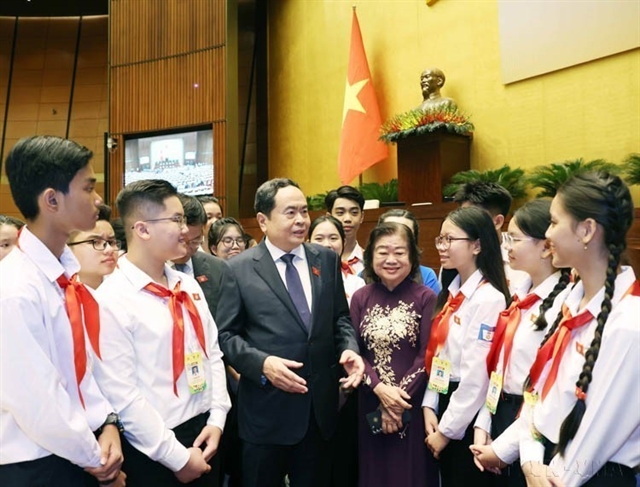 |
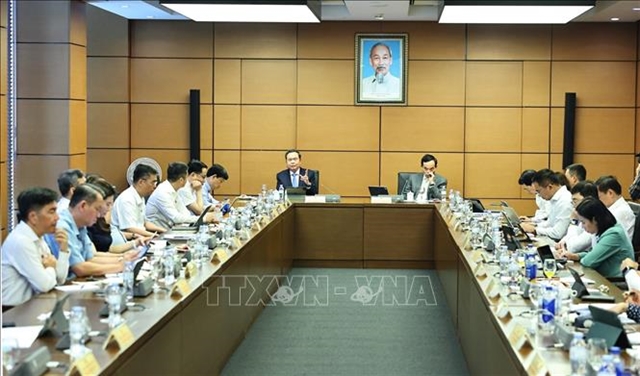
| National Assembly Chairman Trần Thanh Mẫn talks with child delegates at a mock legislative session in Hà Nội in September 2024. — VNA/VNS Photo |
HÀ NỘI — State agencies will now be required to publicly respond to children's opinions and complaints, not just listen to them, under a new five-year plan to give young people real influence over decisions that affect their lives.
The decision signed by the Prime Minister on September 16 sets binding response targets: every opinion children raise with national agencies, and at least 70 per cent of those raised locally, must be received, acted on and answered publicly and honestly.
Officials describe the requirement as the plan's most significant shift, moving the Government's obligation from simply hearing children's views to answering for them.
The policy grew out of gaps exposed during the previous five-year push from 2021 to 2025.
An official from the Ministry of Health's maternal and child health department said awareness campaigns reached only 62 per cent of children during that period, well short of an 85 per cent target, and that many local programmes amounted to little more than token gestures, particularly for children with disabilities and those in remote or ethnic community areas.
Funding was thin and digital tools went largely unused, prompting the Government to rework the policy and commit fresh resources through 2030, the official added.
Rather than leave programmes entirely in adults' hands, the plan calls on every province and city to back initiatives that children themselves propose and run, and to broaden the kinds of activities on offer, from youth forums and mock legislative sessions to school dialogues and family support groups, to fit local needs.
The health ministry has also been directed to set formal standards for children's participation and build a system of indicators to track the programme's progress, with that framework due by the end of the year.
Officials say implementation will follow a 'six clarities' rule spelling out who is responsible for what, with what authority and by when, an effort to keep the targets enforceable rather than symbolic.
Officials acknowledge that making it work will take more than Government orders: youth groups, schools, civic organisations and families will all need to be involved.
They describe the broader goal as turning children from passive subjects of policy into active contributors to their communities and, over time, raising a generation confident enough to help shape the country's future. — VNS
Society
 Society
 Society
 Society
 Society
 Society
 Society
 Society
 Society
 Society
 Society
 Society
 Society
 Society
 Society