 Society

AITO Looks Ahead to Europe, Building a Thriving Automotive Ecosystem
1.
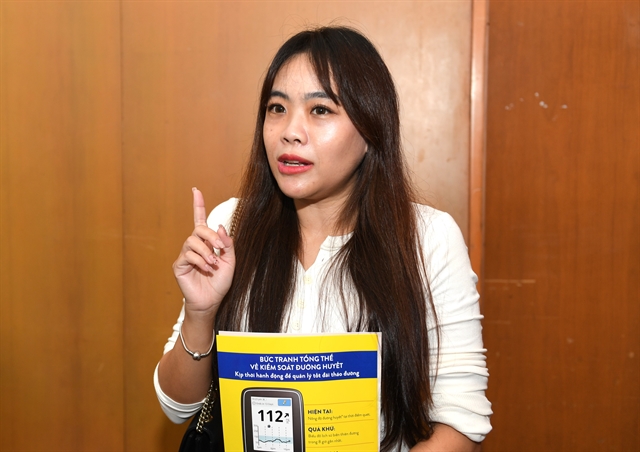 |
| Trần Khánh Linh speaks about the new way of managing diabetes. Using CGM since university, Linh has been freed from the burden of glucose monitoring, enabling her to achieve key life milestones. — Photo courtesy Hoàng Anh |
For many people living with diabetes, managing the condition means constantly adjusting to uncertainty in everyday life.
“Since I was little, I’ve had to consider each meal — how much this food will raise my blood sugar and whether it will affect my readings,” said Trần Khánh Linh, a 34-year-old resident of Hà Nội who has been living with diabetes since she was five.
Maintaining a consistent diet was a huge challenge for Linh. At the same time, she had to carry a glucometer, syringes and medication every day and measure her blood sugar multiple times a day.
“The pain, fatigue and anxiety were always with me,” Linh said.
When Nguyễn Hải Tùng was first diagnosed 39 years ago, both he and his doctors had limited information about the condition.
“What to eat, what to avoid, how much is enough — everything was vague, so I often ate incorrectly and my blood sugar fluctuated constantly,” he said.
Linh and Tùng are among more than seven million people with diabetes in Việt Nam, yet only a third of them manage the condition well. Their stories show that living with diabetes often means constant vigilance — checking, interpreting and worrying about changes that are not always visible.
Meanwhile, there has been a persistent gap between diagnosis and effective daily management. Therefore, effective solutions are needed not only to improve treatment outcomes but also to support people in their daily lives, where everyday decisions play a critical role in managing the condition.
Diabetes management has evolved from periodic testing to continuous, connected care, enabling people to make real-time adjustments to meals, activities and routines while reducing uncertainty about fluctuations, particularly hypoglycaemia.
As diabetes management becomes more integrated and lifestyle-driven, it combines continuous monitoring for real-time insights, structured nutrition and dietary choices, ongoing patient education, clinical guidance and proactive prevention of complications. The ultimate goal is to achieve better health outcomes and reduce the long-term burden of disease, while building confidence in people’s daily lives.
When Linh started using continuous glucose monitoring (CGM), she found a new sense of freedom.
“Since using a CGM, I've been freed from constant injections. The sensor monitors my blood sugar around the clock, sending alerts when my glucose levels fluctuate, so I’ve become more proactive and confident in my daily life,” she said.
Recognising the role of CGM in improving clinical outcomes, the American Diabetes Association (ADA) 2026 Standards of Care recommend initiating CGM soon after diagnosis and at any stage thereafter for those who may benefit.
This reflects a broader shift towards more patient-centred, proactive and data-driven diabetes care. In practice, systems such as FreeStyle Libre support approximately eight million people worldwide, demonstrating how CGM is increasingly integrated into everyday management.
FreeStyle Libre leads innovation in glucose monitoring
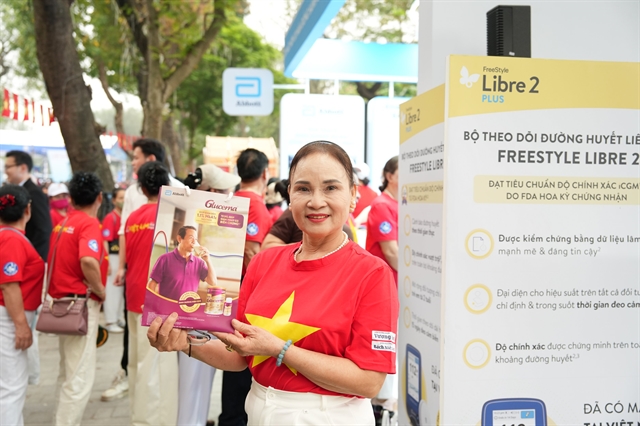 |
| An Abbott-supported community event for Vietnam People’s Health Day in April, senior participants receive health check-ups and practical guidance on nutrition and healthy lifestyles, underscoring the importance of preventive care in supporting healthy ageing. — Photo courtesy Mạnh Thắng |
Abbott introduced the FreeStyle Libre system in Việt Nam in March 2021. Through a small, coin-sized sensor worn on the back of the upper arm, the FreeStyle Libre system makes glucose monitoring easier, less invasive and more accessible. Since then, the company has further expanded access to innovation that supports more proactive diabetes management.
The FreeStyle Libre 2 system, available in Việt Nam since early 2026, takes the user experience a step further by enabling people to gain a deeper understanding of their condition.
Meeting the US Food and Drug Administration's integrated CGM (iCGM) standard for accuracy, the system features optional real-time alerts for high and low glucose levels, helping users stay aware of changes throughout the day and night.
Indicated for people aged two and above, two years younger than the previous system, the FreeStyle Libre 2 system helps reduce the need for frequent manual checks, supports earlier intervention and reduces the risk of severe events.
Clinically proven to help lower HbA1c, Abbott’s iCGM system helps reduce the risk of diabetes-related complications by supporting more informed daily decisions and better long-term health.
As a result, diabetes management becomes more continuous and less dependent on moment-to-moment vigilance. It represents a meaningful progression — one in which technology not only provides data but also helps ease the mental burden of living with diabetes. This reflects Abbott’s commitment to continuous innovation, supporting people to live with greater reassurance and confidence each day.
“The world-leading FreeStyle Libre system empowers people living with diabetes to make informed health decisions," said Douglas Kuo, Divisional Vice President, Abbott Vietnam, Australia and New Zealand.
“By providing real-time glucose readings and optional alarms, our FreeStyle Libre 2 technology simplifies diabetes management, so they can spend more time enjoying the freedom of doing the things they love.”
Abbott has made this innovation accessible to peole living with diabetes in Việt Nam alongside more than eight million users in over 60 countries worldwide.
Abbott’s efforts are closely aligned with Việt Nam’s digital transformation strategy.
In September 2025, the Government issued Resolution 72-NQ/TW, focusing on breakthrough solutions that use digitalisation to enable people to access healthcare services digitally and manage their health more proactively. Access to timely information helps reshape behaviours, mindsets and quality of life.
People with diabetes in Hà Nội said that using CGM had brought greater peace of mind and convenience to their lives.
“With CGM, I can simply scan and see my readings immediately. It's painless, and I can monitor my glucose levels day and night,” said Tùng, now 71.
“This technology gives patients much more peace of mind.”
Beyond monitoring, Abbott is advancing a more holistic approach to diabetes care in Việt Nam, ranging from science-based nutritional solutions for people with diabetes to patient education and awareness initiatives that support better disease management and reduce the risk of diabetes-related complications. For instance, regular eye screening is important for the early detection and timely treatment of diabetic retinopathy.
By providing a detailed picture of a person's glucose levels, CGM helps doctors better understand a patient's condition so they can make more personalised treatment decisions and improve treatment outcomes.
Since entering the Vietnamese market in 1995, Abbott has introduced a wide range of innovative healthcare solutions and products, ranging from nutritional products and medicines to diagnostics and medical devices.
The company’s efforts reflect a broader commitment to enabling people living with diabetes to manage their condition more confidently and live more fully.
Having once struggled with food choices, Tùng now knows exactly what to do.
“I've become accustomed to choosing appropriate foods, reducing my carbohydrate intake and using specialised nutritional supplements for people with diabetes,” he said.
“Once I maintain a balanced diet, I find my health more stable and my spirits higher.” — VNS
Society
 Society
 Society
 Society
 Society
 Society
 Society
 Society
.jpg) Society
Society
 Society
 Society
 Society
 Society
 Society
 Society