 Life & Style
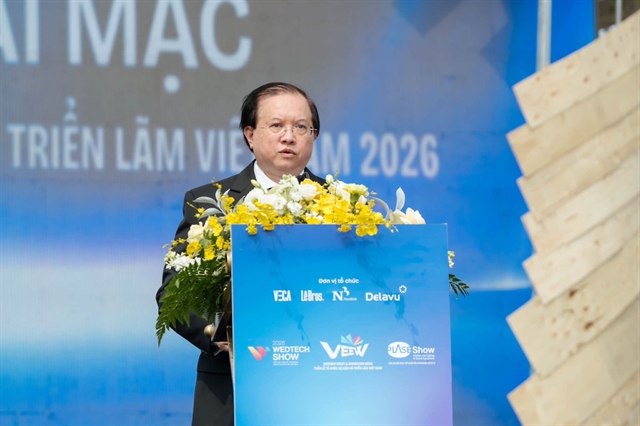
VEEW 2026 provides opportunities for event, exhibition, entertainment, wedding sector
1.
|
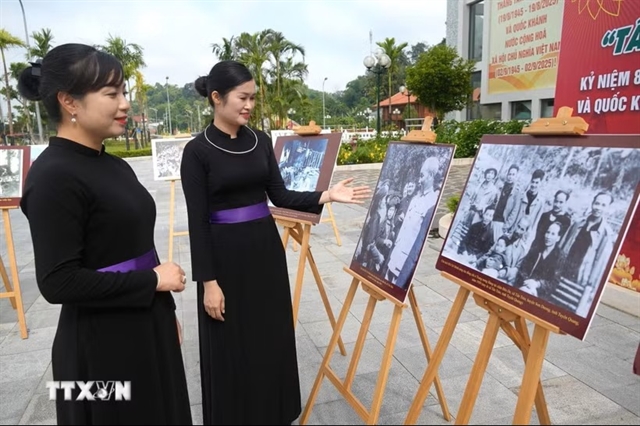
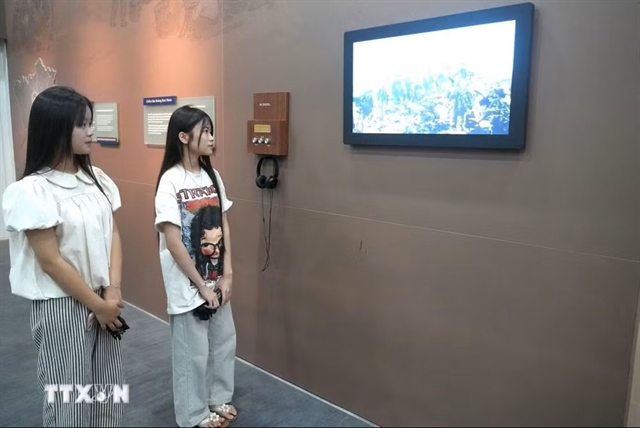
| Young Tày women view photos capturing President Hồ Chí Minh and the revolutionary land of Tân Trào in Tuyên Quang Province. — VNA/VNS Photo Minh Tâm |
TUYÊN QUANG — As Tân Trào commune in the northern province of Tuyên Quang welcomes delegations of visitors from across the country ahead of National Day (September 2), the revolutionary land is working to build a distinctive cultural-tourism brand around the celebrations.
Hoàng Văn Cảnh, Standing Vice Chairman of the Tân Trào People’s Committee, said National Day is an occasion for local people to recall the nation’s glorious traditions and pay tribute to President Hồ Chí Minh, revolutionary predecessors, fallen heroes and all those who sacrificed their lives for the independence and freedom of the Fatherland.
The Tân Trào National Day festival this year, taking place from August 8-16, celebrated the 81st anniversary of the August Revolution (August 19, 1945 – 2026) and National Day. A range of cultural, artistic and sporting activities, traditional folk games and experiential programmes have created a joyful atmosphere for local residents in a vibrant community cultural space.
The locality hopes visitors will not only explore historical sites but also immerse themselves in local cultural life, gaining a deeper appreciation of the revolutionary traditions and cultural identity of this historic land.
In Tân Trào, the “red addresses” of revolutionary history are surrounded by villages, traditional stilt houses, Then melodies, Tính lute music, traditional customs, local cuisine and the everyday lives of ethnic communities. Connecting these values can turn a journey to the source of the revolution into an experience that offers visitors more than historical knowledge, allowing them to feel the vitality of a culturally rich land.
For younger generations, standing beneath the communal house where the Tân Trào Congress of People’s Representatives took place, or hearing stories about the departure ceremony beneath the Tân Trào banyan tree can provide a far more profound experience than learning history solely through books.
|
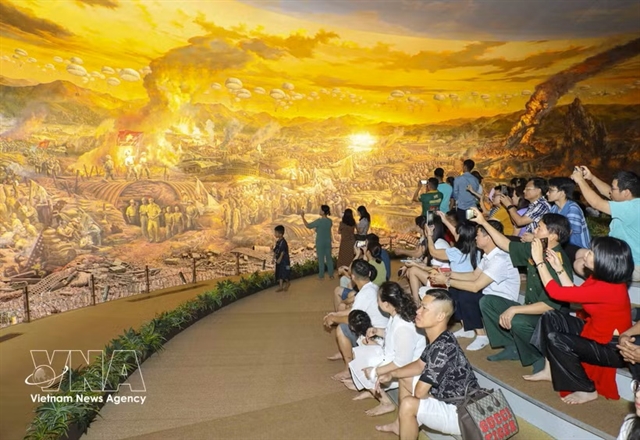
| Students learn about history through visual displays at the ATK Tân Trào Museum in Tuyên Quang Province. — VNA/VNS Photo Minh Tâm |
Chairman of the Tân Trào People’s Committee Dương Minh Tuấn said the commune regards preserving and promoting the value of historical relics in association with sustainable tourism development as an important task.
Tân Trào is gradually renewing the way history is presented, moving from simply providing information and displaying artefacts towards greater emphasis on experiences, interaction and storytelling. Each relic, landmark and artefact should become part of a meaningful story, enabling visitors not merely to see them but to understand the people, events and historical values associated with the area.
The locality plans to step up the use of digital technology and develop visually engaging and interactive content, while renewing tour-guide services and offering more experiences and traditional cultural performances.
Another priority for Tân Trào is supporting local residents to become active participants in tourism development. The commune is encouraging people to develop homestays, food and beverage services, OCOP products, traditional handicrafts, folk performances, guided experiences and other visitor services. It is also organising training courses to improve residents’ communication and hospitality skills, environmental awareness and standards of conduct.
The locality hopes National Day celebrations will gradually become its distinctive cultural-tourism brand, creating stronger links between heritage, the community and tourism products, while developing signature experiences centred on revolutionary history, ethnic culture, local cuisine, rural life and the natural landscape.
For younger generations, through visits and experiential activities at historical sites, history competitions and programmes organised by youth organisations, young people have opportunities to learn more about President Hồ Chí Minh, revolutionary predecessors and different ethnic groups in Tân Trào during the struggle for national independence. This, in turn, is expected to inspire practical action to preserve cultural identity, protect the environment and contribute to building their homeland. — VNA/VNS
Life & Style
 Life & Style
 Life & Style
 Life & Style
 Life & Style
 Life & Style
 Life & Style
 Life & Style
 Life & Style
 Life & Style
 Life & Style
 Life & Style
 Life & Style
 Life & Style
 Life & Style