 Brandinfo
Vietnamese scientist wins ASEAN-US Science Prize for Women
1.
As the island accelerates investment in infrastructure ahead of APEC 2027, the resolution provides a strategic framework for turning advances in infrastructure, tourism products, policy and governance into long-term drivers of sustainable growth.
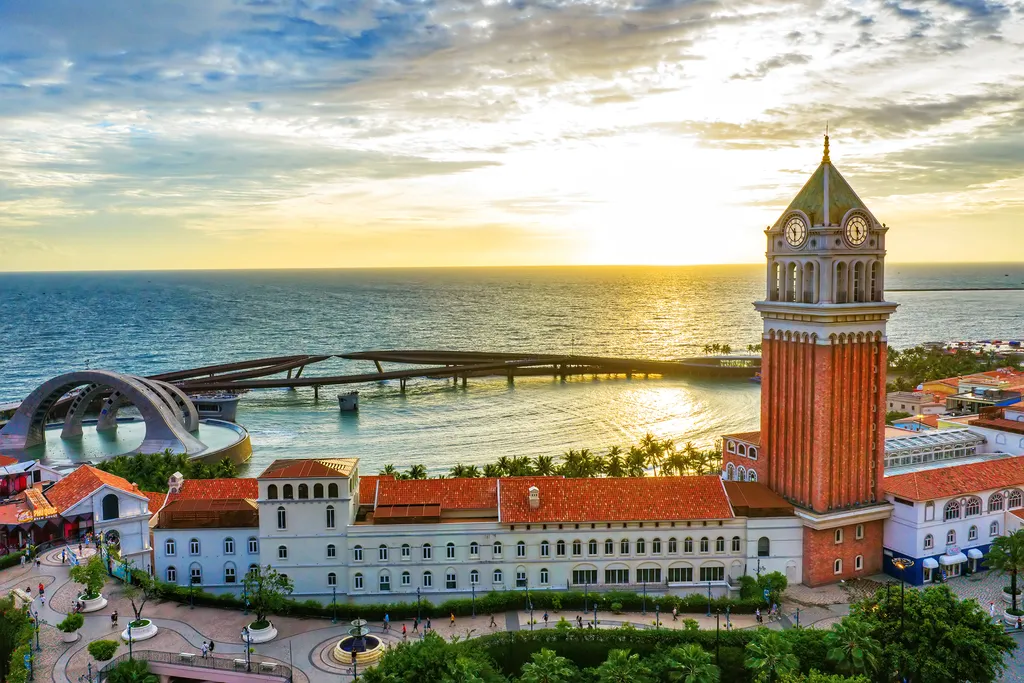 |
| Under Resolution No. 26, Phú Quốc is the only destination explicitly identified as a “new growth pole” |
The Politburo issued Resolution No. 26-NQ/TW on developing tourism into a key economic sector in the new era on August 22. The resolution sets a target for tourism to contribute 10-12 per cent directly to Việt Nam’s gross domestic product (GDP) by 2030, attract 45-50 million international visitors and generate total tourism revenue of US$80-90 billion. By 2045, Việt Nam aims to rank among the world's 30 most competitive tourism destinations.
Within this strategy, Phú Quốc is given a particularly prominent role. Alongside the three existing tourism growth poles of Hà Nội, HCM City and Đà Nẵng, the resolution explicitly calls for Phú Quốc to “gradually become a new growth pole, developing into a high-end coastal resort tourism centre with international competitiveness and the capacity to attract major international events”.
Phú Quốc is the only destination specifically identified in the resolution as a “new growth pole”. This signals that expectations for the island have moved beyond its role as a resort destination towards establishing it as a centre capable of attracting visitors, investment, trade, transport, cultural activities and entertainment.
From a “rising star” to a “new growth pole”
Over the past several years, Phú Quốc has steadily built the foundations of an international tourism hub. Once known primarily for its pristine marine and island landscapes, the island has expanded its tourism ecosystem to include luxury resorts, entertainment complexes, golf courses, live performances, commercial districts, culinary experiences and a vibrant nighttime economy.
In recent years, Phú Quốc has attracted growing attention from international media, with major global publications repeatedly highlighting the island among Asia's leading island destinations. As a result, it has increasingly been described as a “rising star” on the global tourism map.
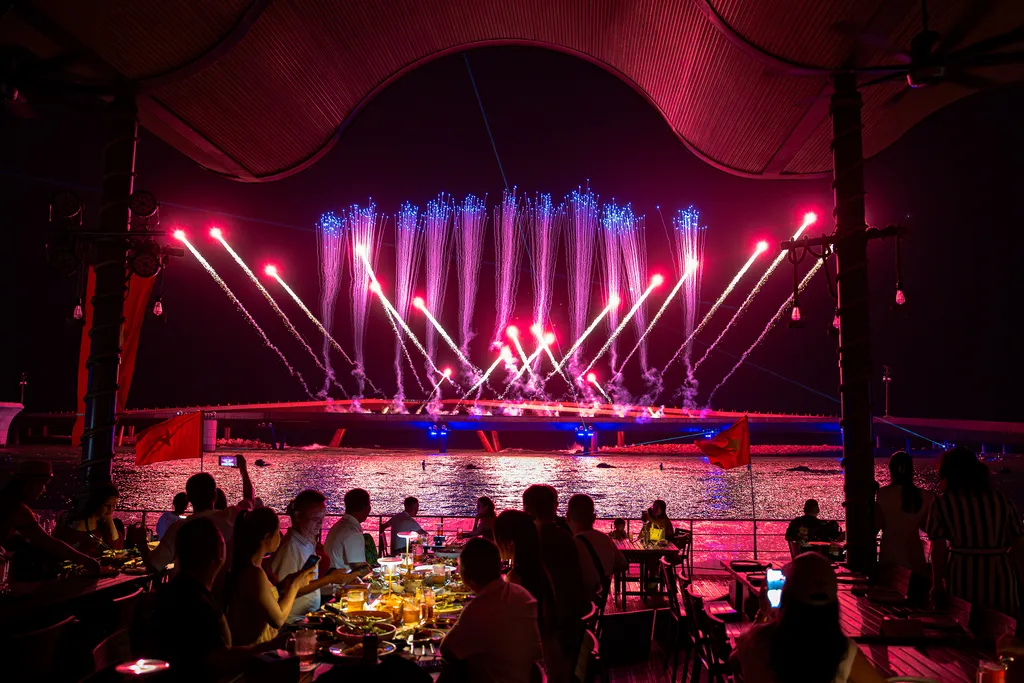 |
| Large-scale cable cars, resort and entertainment complexes, and tourism urban areas have helped extend visitors' stays and broaden their experiences on the island |
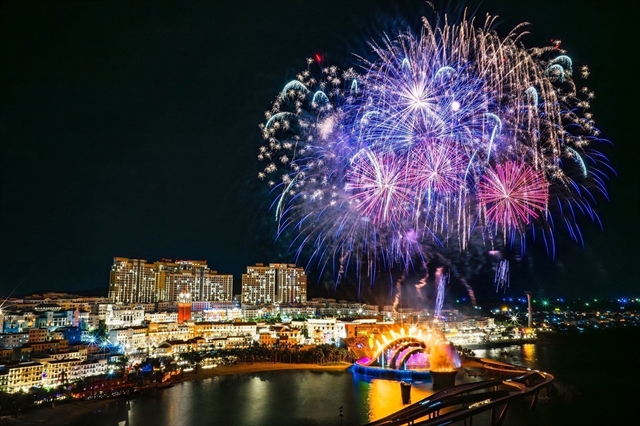
In southern Phú Quốc, large-scale resort, entertainment and tourism urban complexes are helping extend visitors' stays and diversify the island's tourism offerings. The Hòn Thơm Cable Car, a seaside restaurant recognised by Guinness World Records, nightly multimedia shows featuring fireworks and the iconic Kiss Bridge are contributing to the island's evolution from a destination centred mainly on beach and resort experiences into a destination offering attractions from day to night.
Hosting the 2027 APEC Summit is providing another major catalyst for infrastructure development. Phú Quốc is expanding its international airport and developing the APEC Conference and Exhibition Centre, a multipurpose theatre, APEC Boulevard, upgrades to Provincial Road 975 and an urban light rail transit (LRT) line connecting the airport with the conference area.
These projects are not intended solely to serve the APEC meetings. After the 2027 APEC Summit, the airport, public transport network, convention centre, theatre and other urban infrastructure are expected to provide a foundation for Phú Quốc to expand its MICE sector, host major international events and accommodate growing visitor numbers.
The 2027 APEC Summit is accelerating infrastructure development, while Resolution No. 26-NQ/TW provides the strategic framework for Phú Quốc to make effective use of these investments over the longer term.
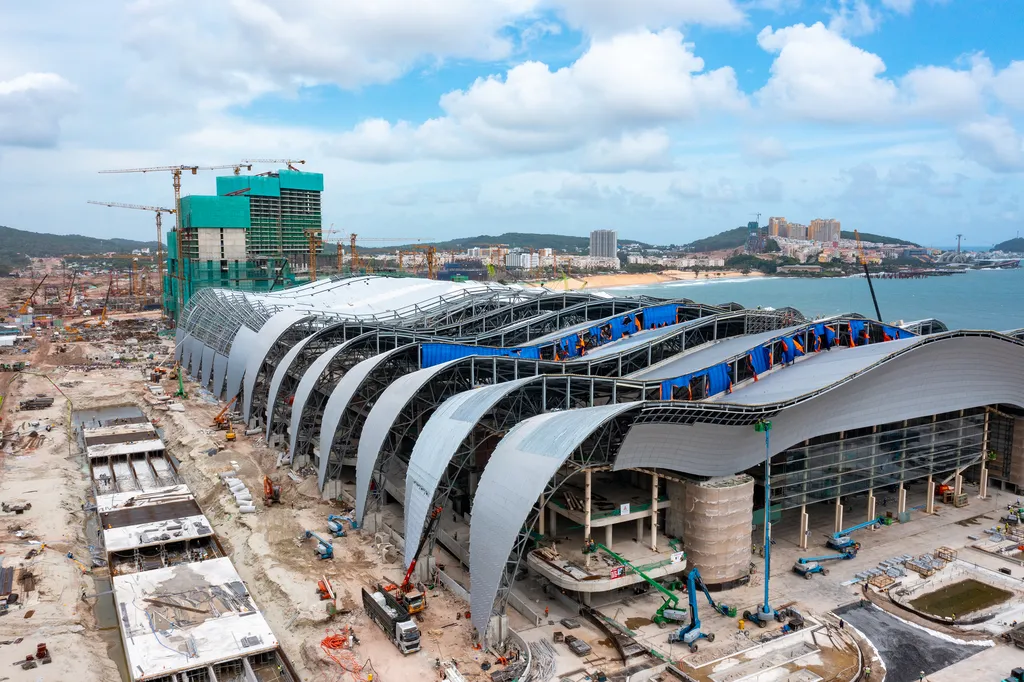 |
| Major infrastructure projects are being fast-tracked for APEC, laying the foundation for Phú Quốc to develop into a leading MICE destination |
First, the resolution creates greater scope for new policy mechanisms and resources by calling for the participation of strategic investors in developing infrastructure, high-end accommodation facilities and large-scale tourism, cultural, sports, entertainment and retail complexes capable of generating wider economic benefits.
This provides a foundation for Phú Quốc to develop a more comprehensive tourism ecosystem rather than simply adding hotel rooms. Convention centres, theatres, marinas, international cruise ports, outlet shopping centres, duty-free stores, wellness services, water sports and high-end entertainment could provide new growth drivers, helping extend visitors' stays and increase per-visitor spending.
The resolution also calls for expanding bilateral visa exemptions, introducing more flexible visa policies and streamlining residency procedures in island areas.
Notably, the Politburo has called for research into pilot mechanisms to attract long-stay visitors, remote workers and international investment to the tourism and hospitality sectors.
With a dedicated visa exemption of up to 30 days for international travellers, an expanding portfolio of international-standard resorts and growing air connectivity, Phú Quốc could benefit from these policies. A larger influx of professionals, entrepreneurs, remote workers and long-stay families could help create a more stable visitor base alongside the traditional short-stay leisure market.
Turning APEC 2027 into a lasting development legacy
The status of a “new growth pole” also brings higher expectations. In the immediate term, Phú Quốc must complete APEC-related projects on schedule while ensuring quality, safety and smooth operations across the island.
More importantly, the island needs a clear post-event strategy to ensure that its large-scale infrastructure is matched by a strong pipeline of tourism products and visitor demand, rather than leaving major facilities underused after the event.
The island needs a strategy to consistently attract international conferences, exhibitions, festivals, music events, sporting competitions and cultural programmes, while expanding direct air routes to high-spending markets. Infrastructure can reach its full potential only when supported by a year-round events calendar and a diverse portfolio of experiences capable of encouraging repeat visits.
Workforce quality is another pressing priority. To serve APEC delegates and the growing number of high-end travellers, Phú Quốc needs to improve foreign-language proficiency, professional expertise, service standards and crisis-response capabilities across its workforce, from hotels and restaurants to taxis, retail outlets and public services.
At the same time, growth must be balanced with mounting pressures on wastewater treatment, solid waste management, traffic and environmental capacity. The resolution calls for clean-energy transport on tourism islands, reductions in plastic waste and the development of blue carbon credits in coastal and island areas.
These policies provide a basis for Phú Quốc to pursue a greener tourism model, in which LRT, smart energy management and marine ecosystem protection become integral to the island's competitiveness.
Resolution No. 26-NQ/TW has given Phú Quốc a prominent role in Việt Nam's national tourism strategy. The 2027 APEC Summit offers the island an opportunity to demonstrate its capacity to host a major international event, while the resolution provides a framework for turning that event-driven momentum into longer-term growth.
The designation of a “new growth pole” is therefore more than a title. It signals a strategic direction for Phú Quốc to develop as an international destination supported by modern infrastructure, distinctive tourism products, competitive policies and sustainable development, while generating broader economic benefits and strengthening Việt Nam's position on the global tourism map.
Brandinfo
 Brandinfo
 Brandinfo
 Brandinfo
 Brandinfo
 Brandinfo
 Brandinfo
 Brandinfo
 Brandinfo
 Brandinfo
 Brandinfo
 Brandinfo
 Brandinfo
 Brandinfo
 Brandinfo