 Brandinfo
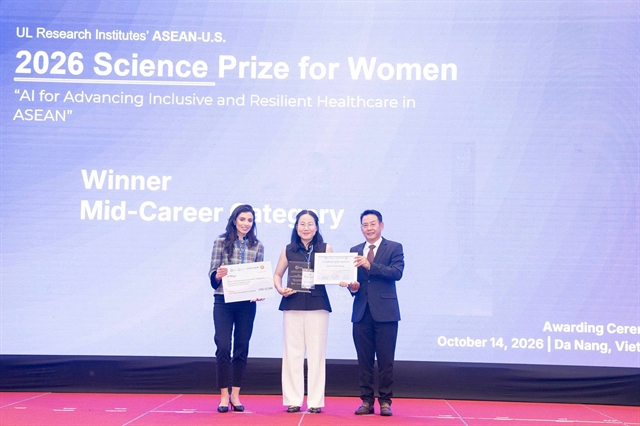
Vietnamese scientist wins ASEAN-US Science Prize for Women
1.
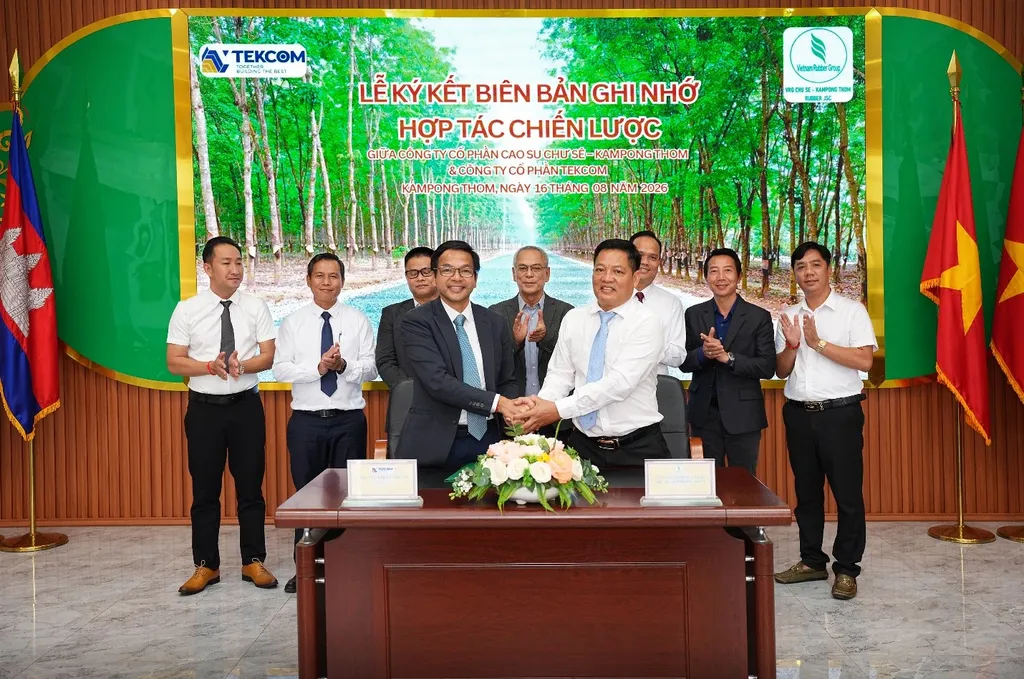 |
TEKCOM Corporation has signed a memorandum of understanding (MoU) with Chu Se–Kampong Thom Rubber Joint Stock Company, a member of the Vietnam Rubber Group (VRG), establishing a framework for priority access to future hevea veneer and plywood output from rubber plantations managed in Cambodia.
The MoU is intended to establish two complementary supply channels for the Vietnamese plywood manufacturer: locally produced hevea veneer for TEKCOM’s wider manufacturing network and plywood made in Cambodia for furniture, interior and other plywood-based applications.
Across VRG units in Cambodia, rubber plantations entering the replanting cycle are expected to total about 4,000ha a year from 2027. Chu Se–Kampong Thom Rubber expects about 600ha under its management to enter replanting in 2027, rising to an average of about 1,000ha a year from 2028.
The projected volumes could provide a significant future source of rubberwood and support efforts to increase the value of the timber beyond primary uses through veneer and plywood production.
From latex to timber, and from plantation to plywood
Hevea is commonly used as the market name for rubberwood from Hevea brasiliensis, the species tapped for natural rubber latex before the trees are harvested when plantations are replanted. VRG is seeking to increase the value generated from both latex and timber over the life cycle of the trees.
Under the MoU, the two companies will conduct field assessments and study veneer production and drying, plywood manufacturing technology, equipment selection, quality control, workforce training, traceability and product development.
The agreement also gives TEKCOM priority purchase rights for veneer and plywood produced from hevea resources managed by Chu Se–Kampong Thom Rubber, subject to agreed specifications and commercial terms.
The first supply channel would provide veneer for TEKCOM’s wider plywood network, while the second would focus on Cambodia-origin plywood for selected furniture, interior and other plywood-based programmes.
The parties also plan to link timber to plantation plots and standardise records covering land use, harvesting, transportation and origin. VRG’s experience in PEFC-certified plantation management is expected to support due diligence requirements in regulated markets, including those subject to the European Union Deforestation Regulation (EUDR).
Cambodia joins broader ASEAN manufacturing strategy
The Cambodia initiative forms part of TEKCOM’s strategy to develop regional manufacturing partnerships across ASEAN, including Malaysia, Laos and Cambodia.
The model is intended to match local raw materials and production capabilities with specific product programmes, providing customers with greater flexibility in manufacturing origins and helping manage supply concentration as tariff and non-tariff barriers change.
“International buyers are looking for supply continuity, transparent origin and greater sourcing flexibility,” said Vũ Quang Huy, CEO of TEKCOM.
“By combining VRG’s hevea resource base with TEKCOM’s plywood technology, quality systems and market access, Cambodia can become an additional regional platform for veneer and plywood.”
HAWA–VRG visit widens industry discussion
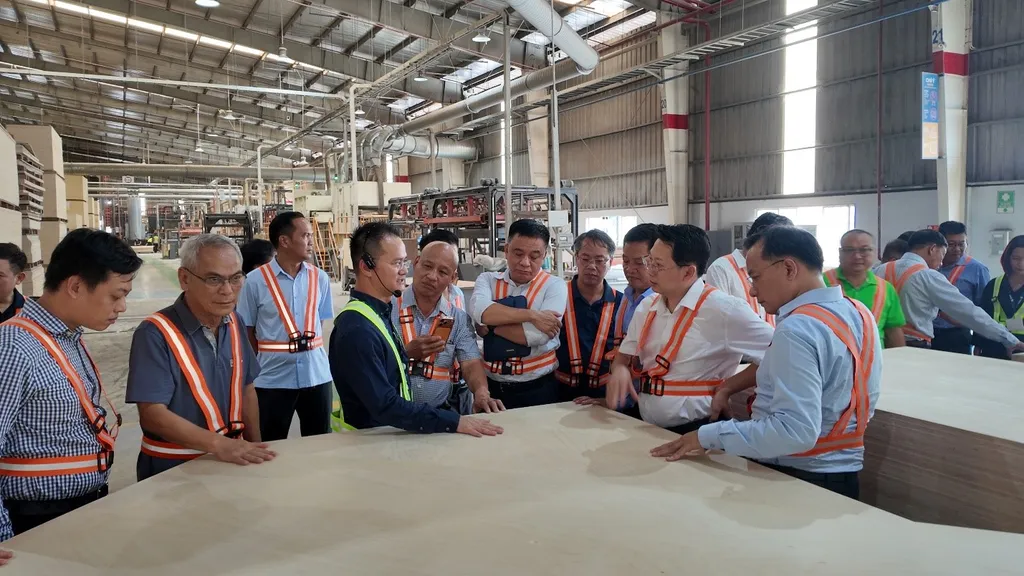
On Aug. 19, a delegation from the Handicraft and Wood Industry Association of Hồ Chí Minh City (HAWA) and VRG visited TEKCOM to discuss rubberwood demand, technical specifications, expected volumes, supply stability, traceability and opportunities to connect VRG resources more directly with wood-processing companies.
 |
The meeting placed the MoU within a wider industry effort to increase the value of rubberwood. It also reflected VRG’s direction to develop rubber plantations for both latex and timber as the group pursues double-digit annual growth.
The MoU will now enter a technical phase. A joint working team is expected to complete field surveys within 60 days and prepare a technology proposal and investment estimate within 120 days, after which the parties will negotiate specific implementation agreements.
If implemented, the project would extend TEKCOM’s supply base from plantation-level hevea resources to veneer and Cambodia-produced plywood, while adding another production node to its regional ASEAN manufacturing network.
Brandinfo
 Brandinfo
 Brandinfo
 Brandinfo
 Brandinfo
 Brandinfo
 Brandinfo
 Brandinfo
 Brandinfo
 Brandinfo
 Brandinfo
 Brandinfo
 Brandinfo
 Brandinfo
 Brandinfo