 Society
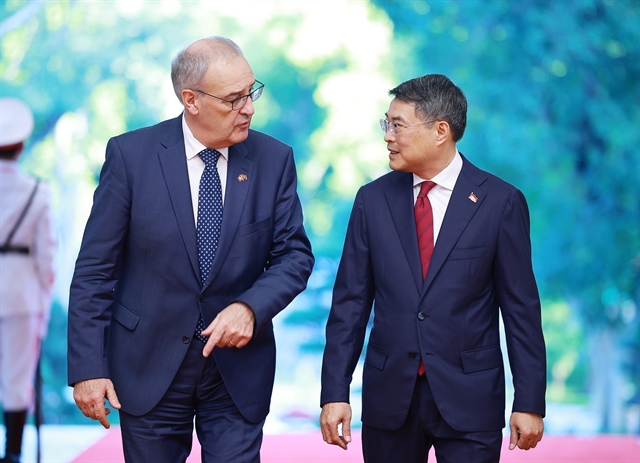
Việt Nam, Switzerland to turn education, sci-tech, innovation into cooperation focus
1.
.jpg) |
| A Vietnamese healthcare delegation meets with experts at Imperial College London during a UK visit from March 16-20. — Photo courtesy of organisers |
HCM CITY — Preventive healthcare, particularly adult vaccination and sustainable workforce training, is emerging as a key area of cooperation between Việt Nam and the UK as both countries seek long-term solutions to population ageing and rising chronic disease burdens.
Through high-level exchanges and academic collaboration, the two sides are strengthening experience-sharing on healthcare policies, medical education and vaccination strategies aimed at improving public health and supporting healthy ageing.
Preventive healthcare in the context of population ageing
Việt Nam is entering a period of rapid population ageing, with people aged 60 and above projected to account for about 20 per cent of the population by 2038.
As immunity declines with age, older adults become more vulnerable to non-communicable diseases such as cardiovascular disease, diabetes, cancer and respiratory illnesses, while underlying conditions also increase the risk of infectious diseases.
Globally, the ageing population is expected to reach 2.1 billion people aged 60 and above by 2050, with infections continuing to account for a significant share of deaths in this group, particularly respiratory diseases such as pneumonia, influenza and respiratory syncytial virus (RSV).
Experts said these challenges require comprehensive preventive solutions, in which early protection against vaccine-preventable diseases plays an important role in reducing long-term health burdens and improving quality of life.
Sir Jonathan Van-Tam, emeritus professor at the University of Nottingham and former UK Deputy Chief Medical Officer, said that as population ageing accelerates, proactive measures are needed to ensure longer lives come with better health and quality of life, with adult vaccination delivered through well-established healthcare systems.
“Việt Nam can consider starting by integrating and expanding access to adult vaccination across chronic disease care pathways in hospitals, while strengthening healthcare workers' capabilities,” he said.
.jpg) |
| Deputy Minister of Health Nguyễn Tri Thức attends an academic exchange at Imperial College London during the Vietnamese healthcare delegation’s UK visit from March 16-20. |
Academic cooperation supports sustainable healthcare
Cooperation between Việt Nam and the UK also focuses on strengthening medical education and training to support sustainable healthcare development.
During academic exchanges with leading UK institutions, including Imperial College London, experts shared innovative approaches to biomedical education and vaccinology, from discovery research to clinical trials and real-world applications, along with advanced teaching methods such as artificial intelligence and virtual reality in medical training.
With a strong foundation in preventive science and vaccine research, GSK has been working with the British Embassy in Việt Nam, the Ministry of Health, universities and medical experts to facilitate academic exchange and knowledge-sharing between the two countries.
The collaboration focuses on improving understanding of vaccines and immunisation among healthcare professionals, particularly at the postgraduate level, contributing to a future-ready healthcare workforce and strengthening preventive medicine in clinical practice.
Vietnamese health authorities emphasised that prevention is becoming a strategic priority in the country’s healthcare transformation, especially in the context of population ageing and rising chronic diseases.
Deputy Minister of Health Nguyễn Tri Thức said prevention is a strategic priority in Việt Nam's healthcare system transformation, especially in the context of population ageing and the increasing burden of chronic diseases, aligning with the spirit of the Politburo’s Resolution No. 72-NQ/TW on shifting from treatment-focused to prevention-focused care.
“We welcome sustainable cooperation plans to support the integration of preventive measures into routine medical care within the hospital system, contributing to protecting and improving public health in the long term."
William Lawrenson, Deputy Consul General and Head of Trade and Investment at the British Consulate General in HCM City, reaffirmed the UK’s commitment to supporting Việt Nam in strengthening preventive medicine as a key pillar of a sustainable healthcare system.
The UK’s strengths in science, innovation and academic expertise can make practical contributions to strengthening Việt Nam’s healthcare system capacity.
“Long-term collaboration between governments, academic institutions and the private sector will play a key role in building a future-ready healthcare workforce and improving public health in the long term."
A high-level Vietnamese healthcare delegation’s visit to the UK from March 16-20, at the invitation of the British Embassy in Hà Nội, is expected to deepen bilateral cooperation in preventive healthcare, innovation and workforce training, contributing to a more sustainable healthcare system. — VNS
Society
 Society
 Society
 Society
 Society
 Society
 Society
 Society
 Society
 Society
 Society
 Society
 Society
 Society
 Society